Things to see · Museums
Siritide Archaeological Museum
Policoro (Matera)
Siritide Archaeological Museum is in Policoro, province of Matera. Opening hours: Monday to Sunday 9:00–19:15. Admission: Museum: full €5, reduced €2. Archaeological park: €3. Combined museum and park ticket: €6.
- Museum: full €5, reduced €2. Archaeological park: €3. Combined museum and park ticket: €6.
- Monday to Sunday 9:00–19:15.
About this place
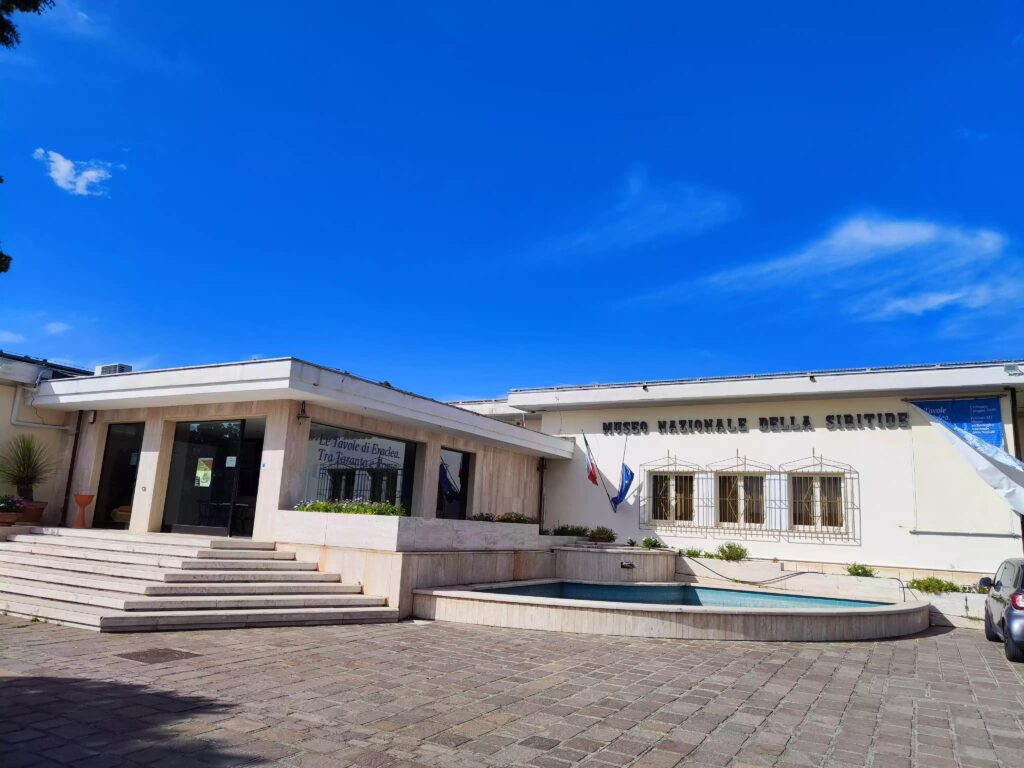
The Siritide National Archaeological Museum is located in Policoro, in via Cristoforo Colombo, next to the Siris-Herakleia archaeological park. It takes its name from the Siritide, the ancient territory of the Greek city of Siris, at the mouth of the Sinni river. It tells the story of three thousand years of the Lucanian Ionian coast: from the villages of the indigenous peoples to the colonies of Magna Grecia, up to the Roman age.
Siris and Herakleia, two Greek cities
Siris was founded in the 7th century BC by Greek settlers arriving from Ionia. It was one of the richest cities on the coast, famous in antiquity for the fertility of its land. From this period the museum holds votive statuettes and funerary goods, including figured pottery from the 7th–6th century BC, among the oldest produced in Magna Grecia.
In 433–432 BC, on the hill of Policoro and the plain below, settlers from Taranto and Thurii founded Herakleia. In the 4th century BC the city hosted the seat of the Italiot League, the alliance of the Greek cities of the South. According to tradition, the painter Zeuxis was born there. In 280 BC the famous battle between Pyrrhus, king of Epirus, and the Romans was fought in its surroundings, the first of the “Pyrrhic victories”. After the Second Punic War the city began to decline and in the 1st century BC became a Roman municipium.
What to see in the museum
The route follows the encounter between the Italic peoples and the Greek world.
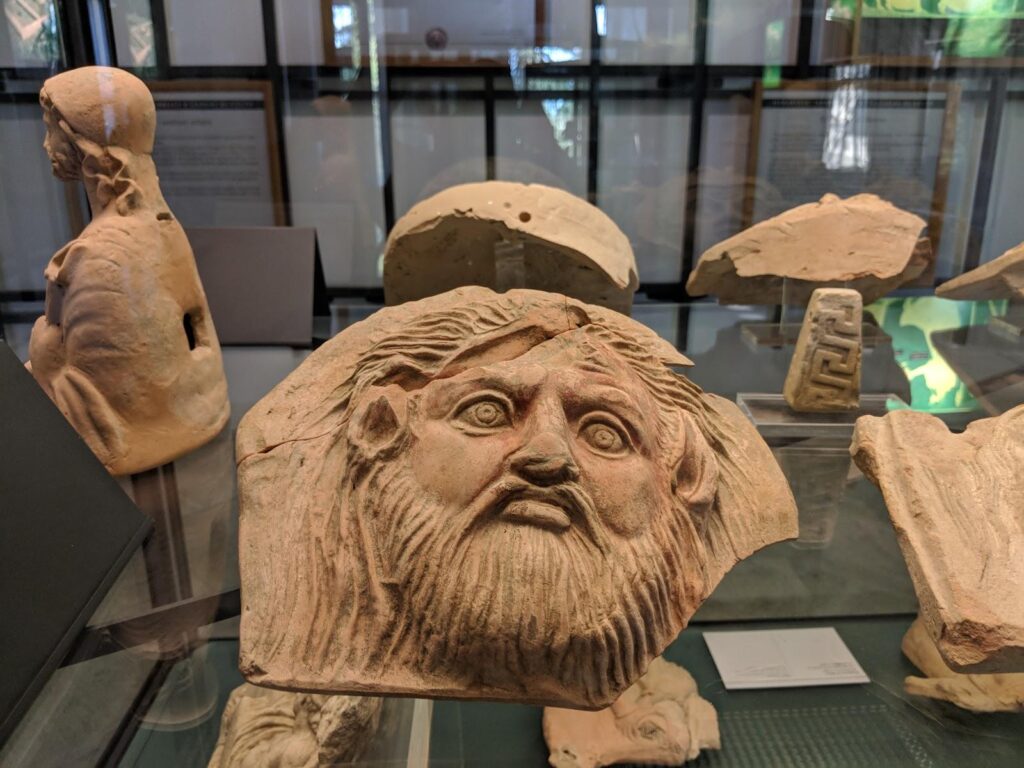
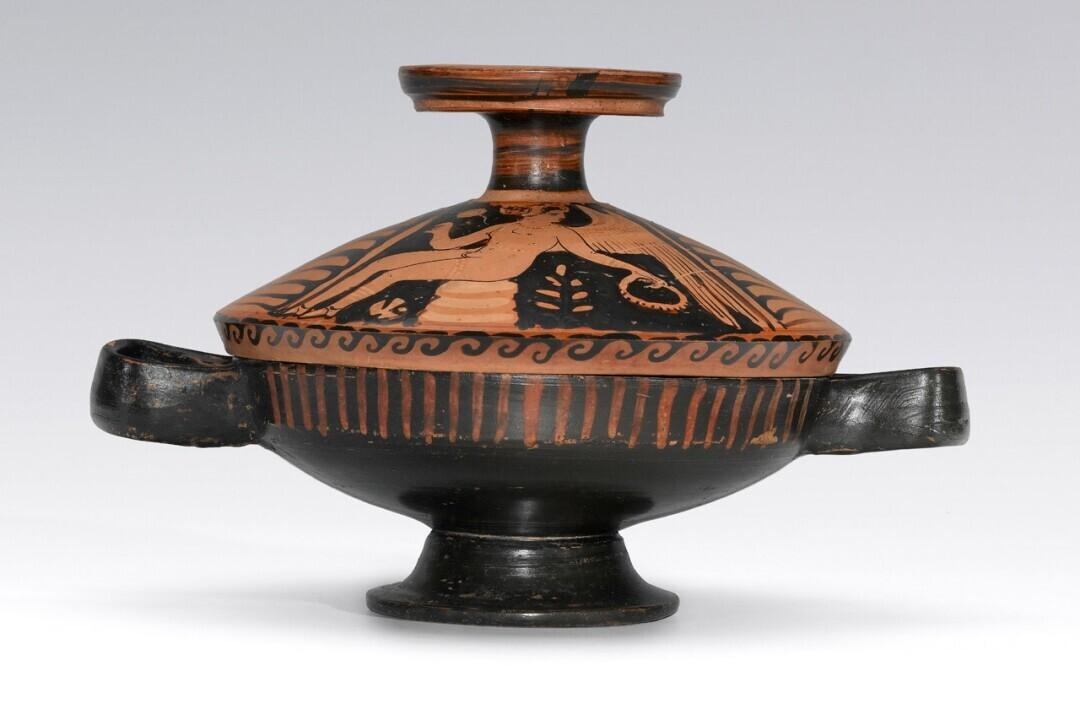
Herakleia: moulds for statuettes from the artisans’ quarter, votive offerings from the sanctuaries and rich funerary goods. The Tomb of the Painter of Policoro, from the late 5th century BC, stands out, with figured vases with mythological subjects.
Goldsmiths of Herakleia: 4th–3rd century BC grave goods with red-figure pottery and filigree gold jewellery, possibly made locally. The tomb of a goldsmith suggests this.
Enotri and inland Lucanians: bronze armour, gold, silver and Baltic amber jewellery, vases with geometric decoration, Greek pottery and Etruscan bucchero vases, from the 9th to the 4th century BC.
The archaeological park
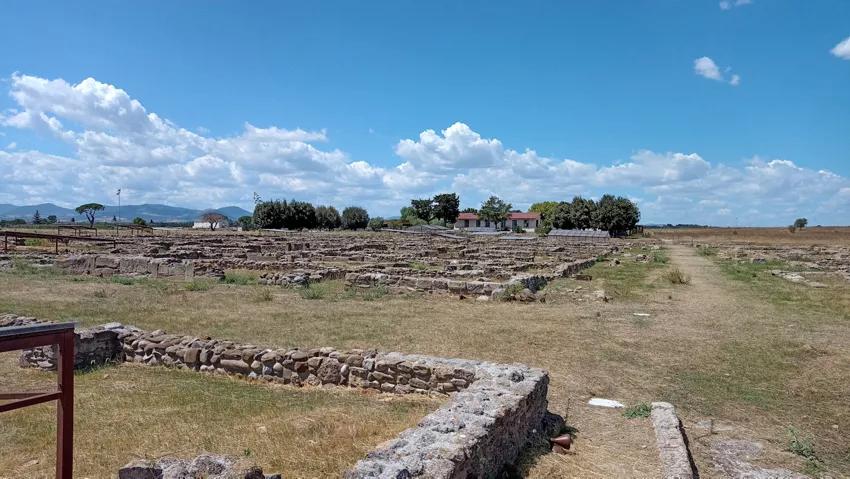
After the museum, it is worth visiting the nearby Herakleia archaeological park. You can see the remains of the ancient settlement on the Castello hill, the quarters and the sanctuary of Demeter. There is also a combined ticket for the museum and park.
Useful information
Address: via Cristoforo Colombo 8, Policoro (MT)
Tickets: full 5 €, reduced 2 €, combined with the archaeological park 6 €
Contacts: tel. 0835 972154 · [email protected]
Opening hours: generally every day from 9 to 20, but official sources give different hours for Tuesday. It is best to check before your visit.