Things to see · Castles and fortresses
Di Giura Castle
Chiaromonte (Potenza)
Di Giura Castle is in Chiaromonte, province of Potenza.
Add to my tripGet directionsAbout this place
Chiaromonte and the Di Giura Castle: history, art and traditions of Basilicata
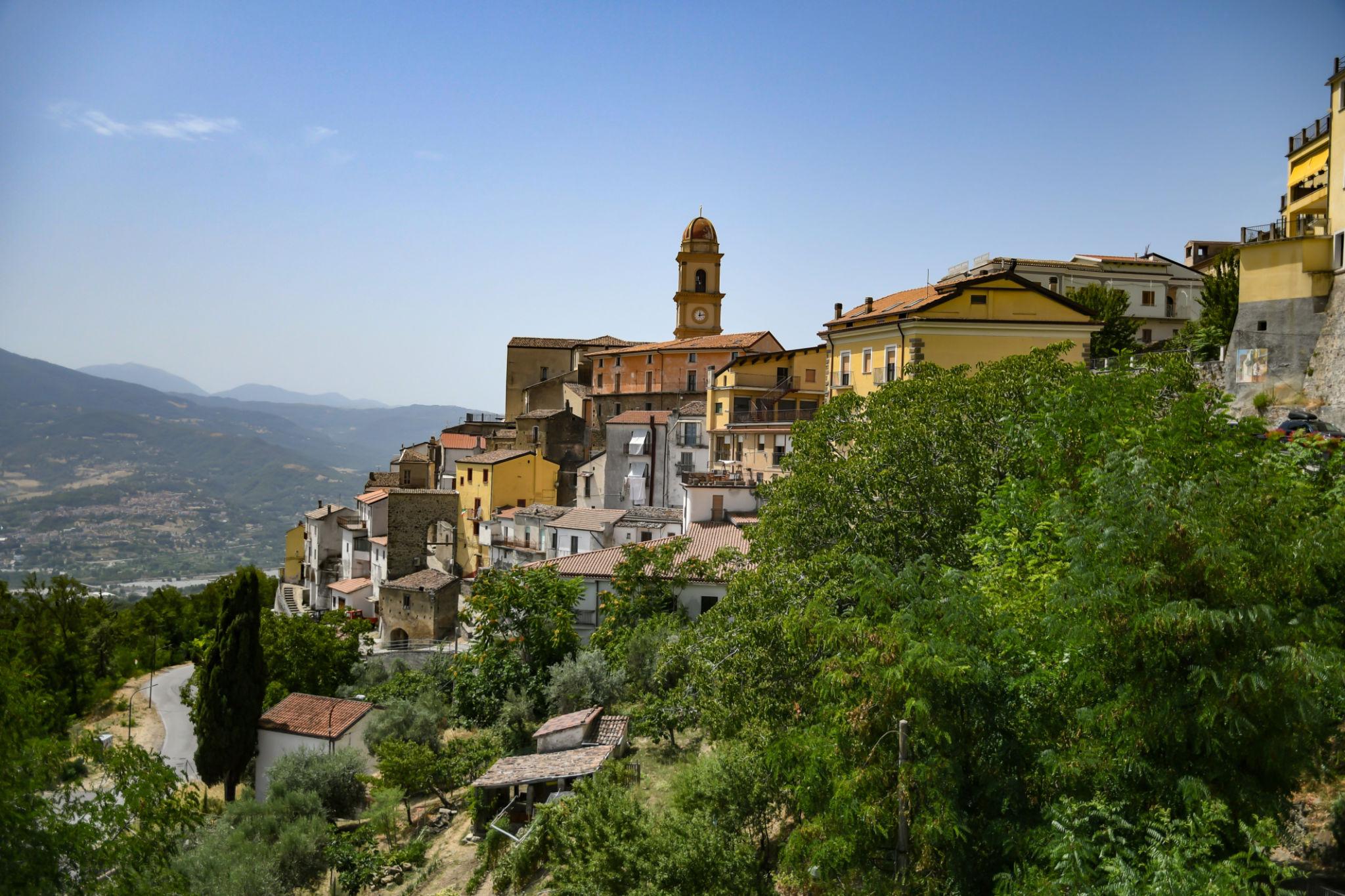
Chiaromonte is a characteristic village in Basilicata, in the province of Potenza, at about 794 metres above sea level, within the Pollino National Park. It stands on a rocky spur overlooking the surrounding landscape, between the valley of the Sinni river and that of the Serrapotamo stream. Its houses, gathered along the slope, give the town the striking shape of a natural amphitheatre.
The area has very ancient origins: archaeological finds show human communities here as early as the Iron Age, followed by Greek and Roman influences. The present town grew above all in the Middle Ages, during the Norman period, and became an important political and administrative centre for the area.
Walking through the old town means immersing yourself in an atmosphere full of memories, among lanes, arches, old palaces, churches and panoramic views. The most notable buildings include the Mother Church of San Giovanni Battista, Palazzo Sanseverino and the Bishop’s Palace. A particularly distinctive feature is the many caves dug into the rock around the edge of the village, traditionally used as cellars for the local wine.
Chiaromonte thus keeps an identity deeply tied to history, peasant traditions, wine culture and the Lucanian landscape, offering visitors an authentic experience far from the hectic pace of big cities.
The Di Giura Castle
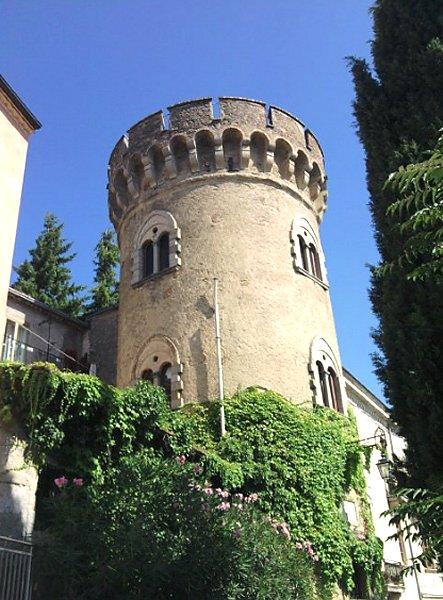
Also known as Palazzo Baronale Di Giura and Torre di Giura, it is one of the most distinctive historic buildings in Chiaromonte. The complex is part of the system of historic buildings and fortifications that shaped the village’s development over the centuries.
The round tower, recognisable by its stonework, crenellations and elegant mullioned windows, stands beside the noble palace of the Di Giura family. The building still shows traces of a past in which defensive needs went hand in hand with the prestige of the families who ruled the area.
The tower’s history is also linked to Giovanni Di Giura, remembered for his part in the events of 1799. A plaque on the façade commemorates him: according to local accounts, he was imprisoned in the tower after planting the tree of liberty in the town square.
The complex is also associated with Ludovico Nicola Di Giura, a doctor and cultural explorer who worked in China in the early 20th century. Books, documents and records of historical and cultural interest are linked to him.
The Torre di Giura is not just an old building: it is a symbol of Chiaromonte’s family and collective memory, telling through its stones stories of nobility, civic commitment and encounters between different cultures.