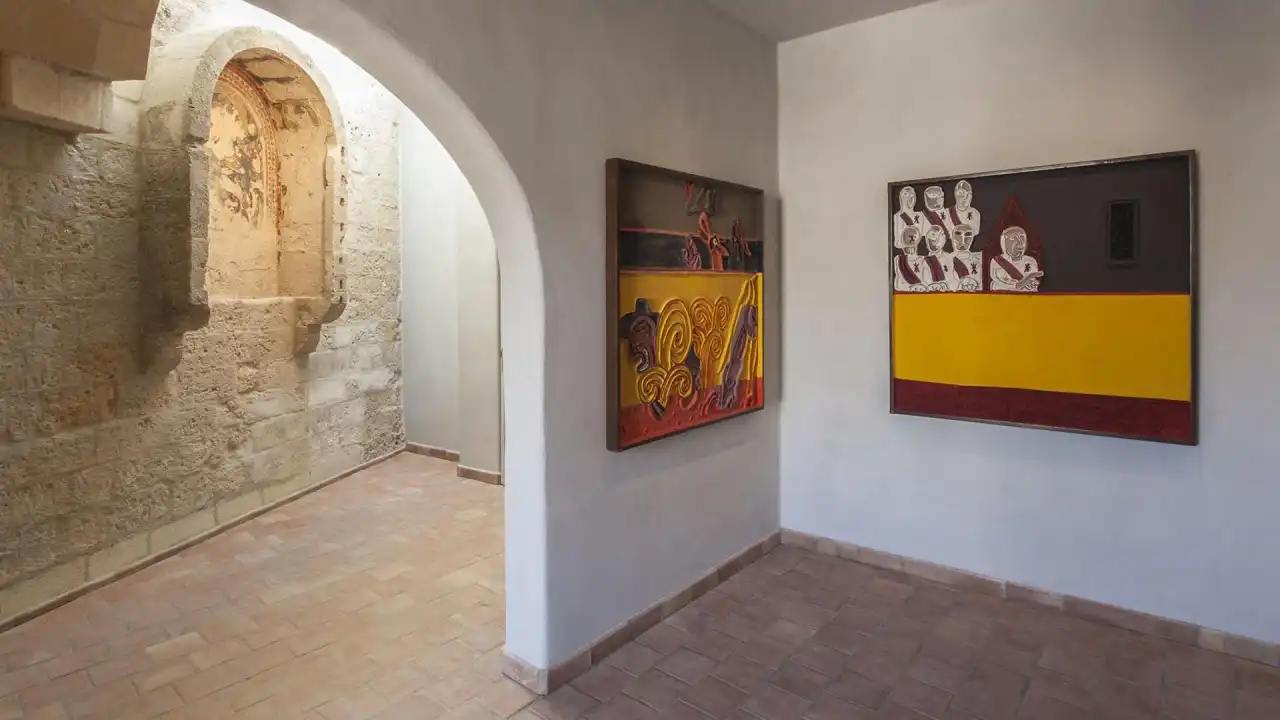
Province of Matera
Matera
The city of the Sassi, a UNESCO World Heritage Site
Discover Matera
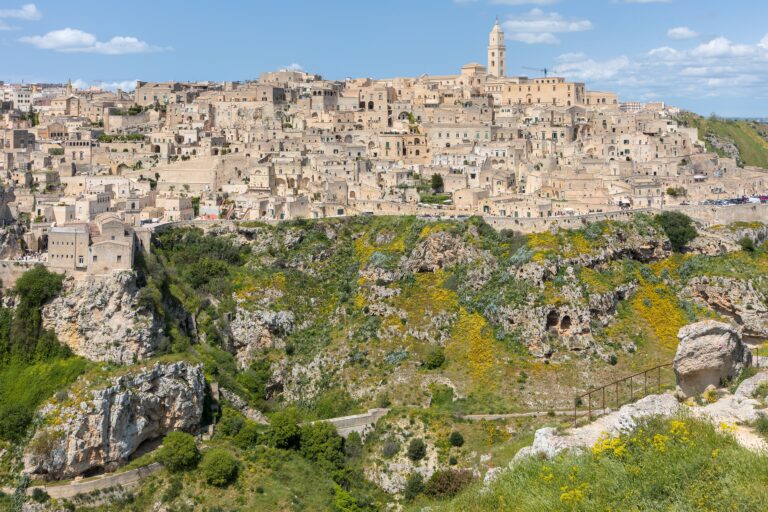
Matera is one of the oldest continuously inhabited cities in the world: for thousands of years people have lived in caves dug into the tuff along the ravine. Its stone districts, the Sasso Barisano and the Sasso Caveoso, with the Civita in the middle, make up the Sassi, a UNESCO World Heritage Site since 1993: the first in southern Italy. In 2019 Matera was European Capital of Culture. It has about 60,000 inhabitants and lies at 401 metres, on the edge of the Murgia.
From prehistory to the Middle Ages
The caves of the Murgia were already inhabited in the Palaeolithic, and Neolithic villages protected by ditches grew up around the ravine: finds from those times are kept in the Domenico Ridola Archaeological Museum. Between the 8th and 13th centuries Benedictine and Byzantine monks carved dozens of churches into the rock and decorated them with frescoes: the oldest and most precious is the Crypt of Original Sin, called the “Sistine Chapel of rock painting”. In the Sassi you can visit Santa Maria de Idris and San Giovanni in Monterrone on the Monterrone rock and San Pietro Barisano, the largest rock church in the city.
Under the Normans and Swabians the Civita became the heart of the city. Between 1230 and 1270 the Cathedral was built on top of the hill in Apulian Romanesque style. The word “Sasso” for an inhabited district first appears in 1204.
From the 16th to the 19th century
In 1501 Count Giovan Carlo Tramontano began the castle on the Lapillo hill, but he was killed by the people of Matera in 1514 and the work was never finished. From 1663 to 1806 Matera was the capital of Basilicata: palaces and churches were built, such as the Seminary that is now Palazzo Lanfranchi, and the Sassi gained Baroque facades. For water the city relied on a clever system of channels and cisterns: the largest is the Palombaro Lungo, under Piazza Vittorio Veneto, completed in 1882.
From “national shame” to rebirth
In the first half of the 20th century the Sassi were overcrowded and lacked basic services: large families lived in a single cave together with their animals, as the Cave House of Vico Solitario shows. Carlo Levi’s pages in “Christ Stopped at Eboli” made the situation known throughout Italy; Levi also painted it in the huge canvas “Lucania ’61”, now in Palazzo Lanfranchi. With the special law of 1952 about fifteen thousand people were moved to new districts designed by architects and sociologists.
Abandoned for decades, the Sassi have been restored since a law passed in 1986. Today they are full of life again: homes, hotels, restaurants, workshops and museums such as MUSMA, which shows contemporary sculpture in the caves of Palazzo Pomarici. The city is also a great film set: from Pasolini’s “The Gospel According to St. Matthew” to “The Passion of the Christ” and “No Time to Die”.
What to see
• The Sassi: the Sasso Barisano and the Sasso Caveoso, with alleys, stairways and cave houses.
• The Cave House of Vico Solitario, furnished as it once was, telling how families lived with their animals.
• The Cathedral, in Apulian Romanesque style, consecrated in 1270, on top of the Civita.
• Santa Maria de Idris and San Giovanni in Monterrone, the rock churches of the Monterrone.
• San Pietro Barisano, the largest rock church, with its underground draining niches.
• The Crypt of Original Sin, the “Sistine Chapel of rock painting”, outside the city.
• The Palombaro Lungo, the great cistern under Piazza Vittorio Veneto.
• Tramontano Castle, from the 16th century.
• The Domenico Ridola Archaeological Museum, currently closed for a new display.
• Palazzo Lanfranchi, with Carlo Levi’s great canvas “Lucania ’61”.
• MUSMA, the museum of contemporary sculpture in the underground rooms of Palazzo Pomarici.
• Madonna delle Virtù and San Nicola dei Greci, a two-level rock complex, and Santa Lucia alle Malve, with 13th-century frescoes.
• San Pietro Caveoso, right above the ravine at the foot of the Idris rock.
• The churches of San Giovanni Battista, Romanesque, San Francesco d’Assisi and Purgatory, Baroque, and the Convent of Sant’Agostino overlooking the Sasso Barisano.
• Piazza Vittorio Veneto, the main square, and the Piazzetta Pascoli viewpoint, looking over the Sassi.
• The museums Casa Noha, a FAI property telling the city’s story, MUdeSCA – Excavation Museum and Casa di Ortega.
• The Murgia Materana Park: beyond the ravine, trails, rock churches and Neolithic villages. The Murgia Timone viewpoint offers the most famous view of the Sassi.
• Beyond the Sassi: the sanctuary of Santa Maria della Palomba with its Sculpture Park, the rock church of the Madonna delle Tre Porte and the prehistoric Bats’ Cave.
Festivals and flavours
The most heartfelt festival is that of the Madonna della Bruna on 2 July: after the procession the large papier-mâché float, built anew every year, is torn apart by the crowd in the “assault on the float”. At Christmas the Sassi host living nativity scenes. At the table the symbol is Pane di Matera IGP, made with durum wheat semolina, served with crusco peppers, crapiata of pulses, cialledda, orecchiette and cavatelli, broad beans and chicory, and Matera DOC wines.
Tips for your visit
Matera deserves at least two days: to get lost in the alleys, visit the rock churches and museums, walk in the Murgia and see the Sassi lit up at night. The Sassi are explored on foot, with many steps: wear comfortable shoes. On 2 July, the feast day, the rock churches and the Cathedral are closed to visitors and the Cave House opens only in the morning.
Matera is part of the Matera e la Murgia tourist area.
What to see in a day
Spend the morning in the Sassi, the two ancient districts carved into the rock: Sasso Caveoso and Sasso Barisano, divided by the Civita, the spur crowned by the Cathedral. They have been a UNESCO World Heritage Site since 1993, and Matera was European Capital of Culture in 2019.
- The Cathedral of the Madonna della Bruna, in Apulian Romanesque style
- The rock churches of Santa Maria de Idris and San Pietro Caveoso
- A furnished cave house, to see how people lived in the Sassi
- The Palombaro Lungo, a huge cistern under Piazza Vittorio Veneto
- The Ridola Archaeological Museum and Palazzo Lanfranchi
In the afternoon cross the ravine to the Murgia Materana Park: from the Murgia Timone viewpoint the whole city lies in front of you, and it is the best spot for sunset.
When to go
Spring and autumn are the most pleasant seasons for walking up and down the steps and alleys. Summer is hot in the middle of the day: visit early in the morning and in the evening. On 2 July the city celebrates the Madonna della Bruna, with the procession and the storming of the triumphal cart.
Getting there
Matera is not on the national railway network: you arrive on the Ferrovie Appulo Lucane trains from Bari or by car. The nearest airport is Bari, about an hour's drive away. The Sassi are explored on foot: leave the car in the car parks outside the old town.
What to eat
Pane di Matera PGI, a tall durum wheat bread; crunchy dried peppers (peperoni cruschi), crapiata (a soup of pulses and grains), cialledda, broad beans with chicory and cheeses from the Murgia farms.
Frequently asked questions
How long do you need to visit Matera?
A full day is enough for the Sassi, the Cathedral and a rock church. With two days you can add the museums, the Palombaro Lungo and the Murgia Park.
Can you drive in Matera?
The Sassi are explored on foot: cars cannot enter most of the lanes. Park outside the old town and walk.
What shoes should I wear in the Sassi?
Comfortable shoes with a good grip: there are many stone steps, often smooth.
How do I get to Matera without a car?
By Ferrovie Appulo Lucane train from Bari, or by coach from Bari, Potenza and other cities in southern Italy.
When is the Festa della Bruna?
Every year on 2 July. It is the city's most heartfelt festival, ending with the triumphal cart being torn apart by the crowd.
On the map
- Things to see
Things to see in Matera
- Bats’ Cave (Grotta dei Pipistrelli)Archaeological sitesNot given by official sources
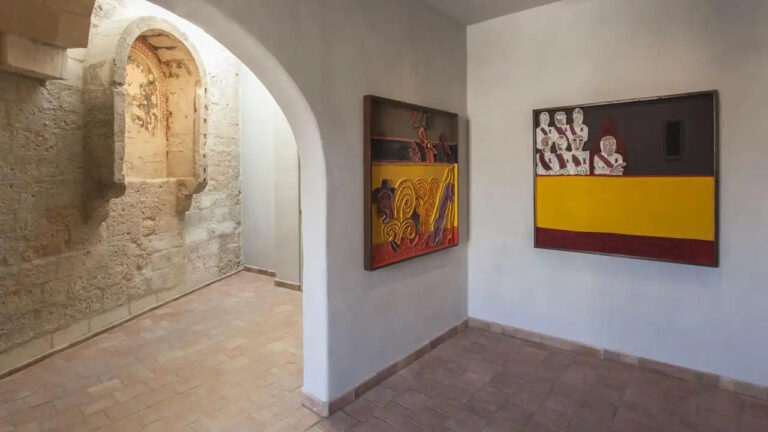 Casa di OrtegaMuseumsNot given by official sources
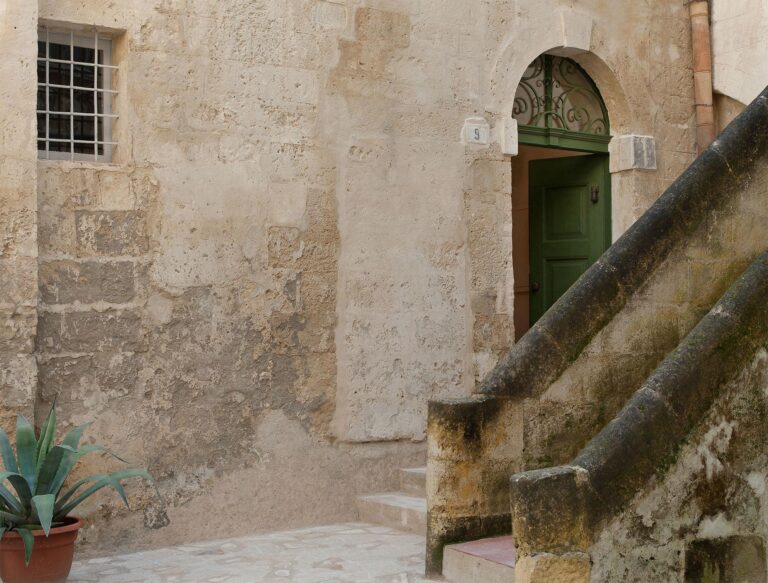 Casa NohaMuseumsNot given by official sources
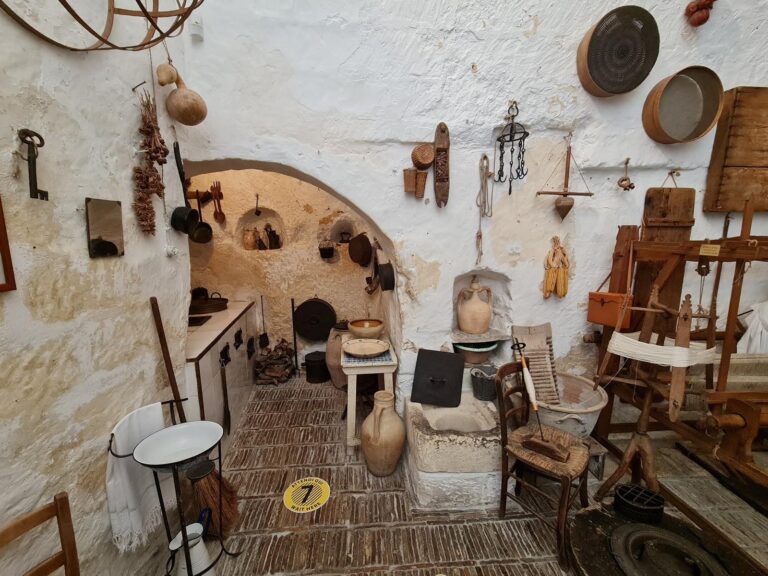 Cave House of Vico SolitarioMuseumsFull €8; reduced €5 (over 65, university students, FAI/CTG members, guided groups); €3 ages 11–18 and schools; free under 10 and for Matera residents.
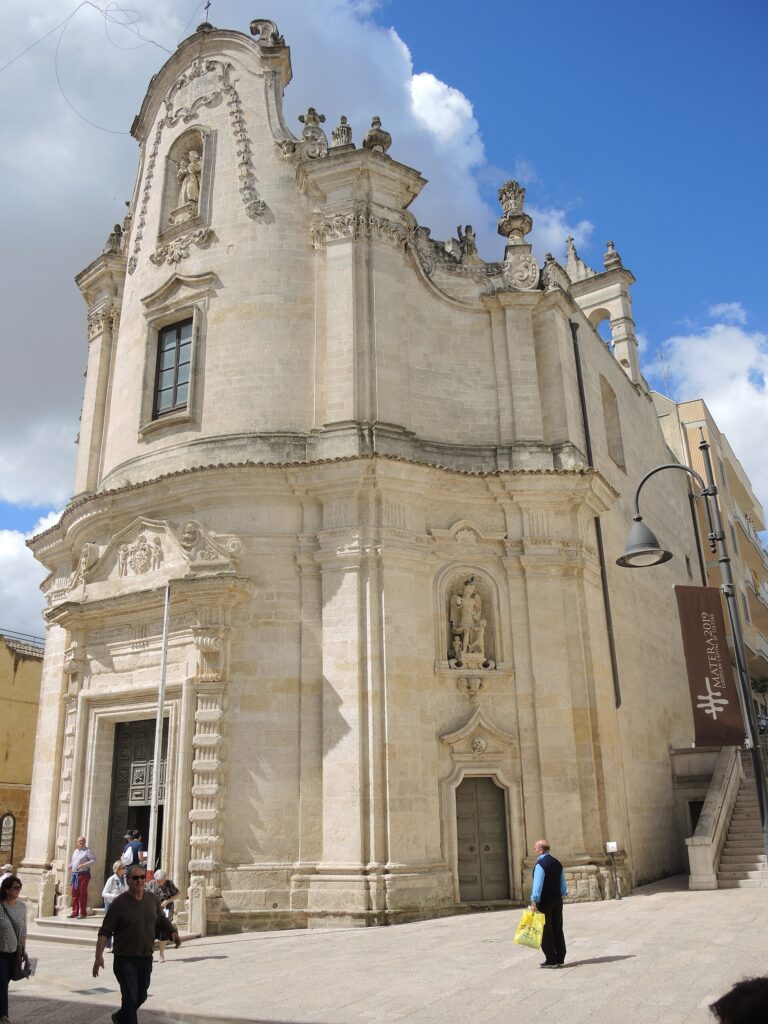 Church of PurgatoryChurches and sanctuariesNot given by official sources
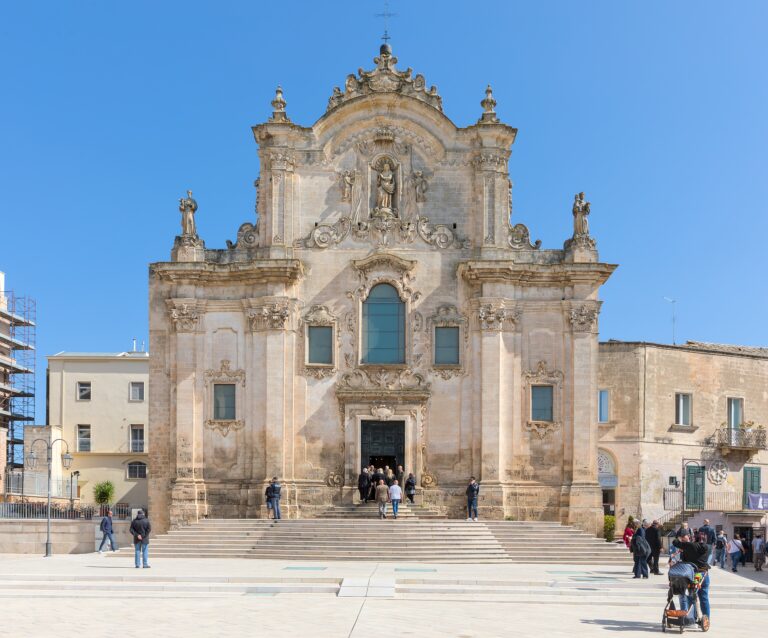 Church of San Francesco d’AssisiChurches and sanctuariesNot given by official sources
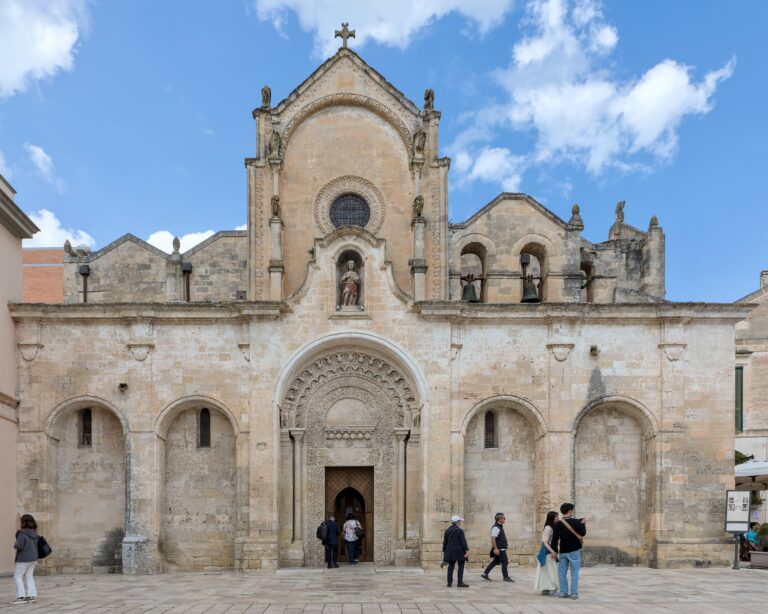 Church of San Giovanni BattistaChurches and sanctuariesNot given by official sources
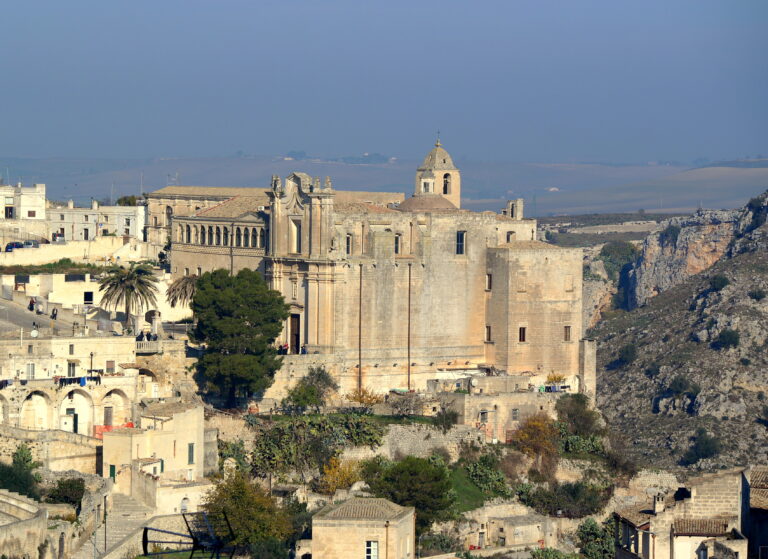 Convent of Sant’AgostinoChurches and sanctuariesNot given by official sources
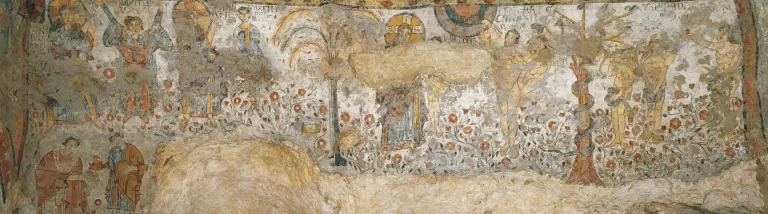 Crypt of Original SinChurches and sanctuariesTickets must be bought online on the official website; reduced rates for groups.
- Domenico Ridola National Archaeological MuseumMuseumsOn reopening: National Museums of Matera ticket (full €10, reduced €2).
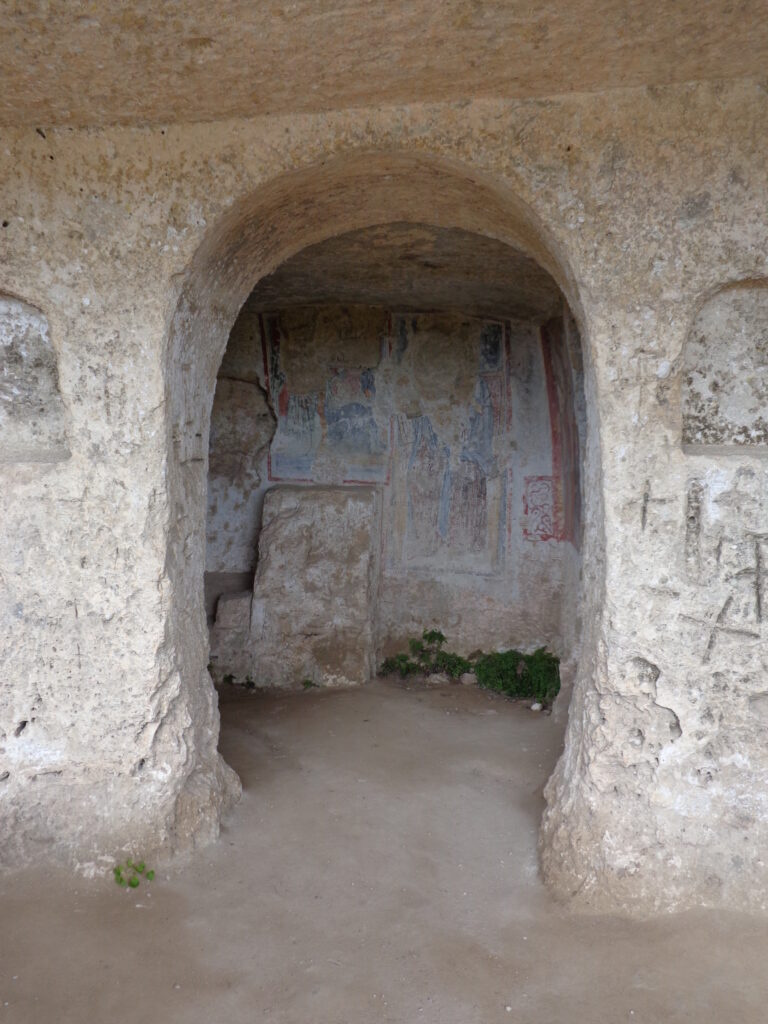 Madonna delle Tre PorteChurches and sanctuariesNot given by official sources
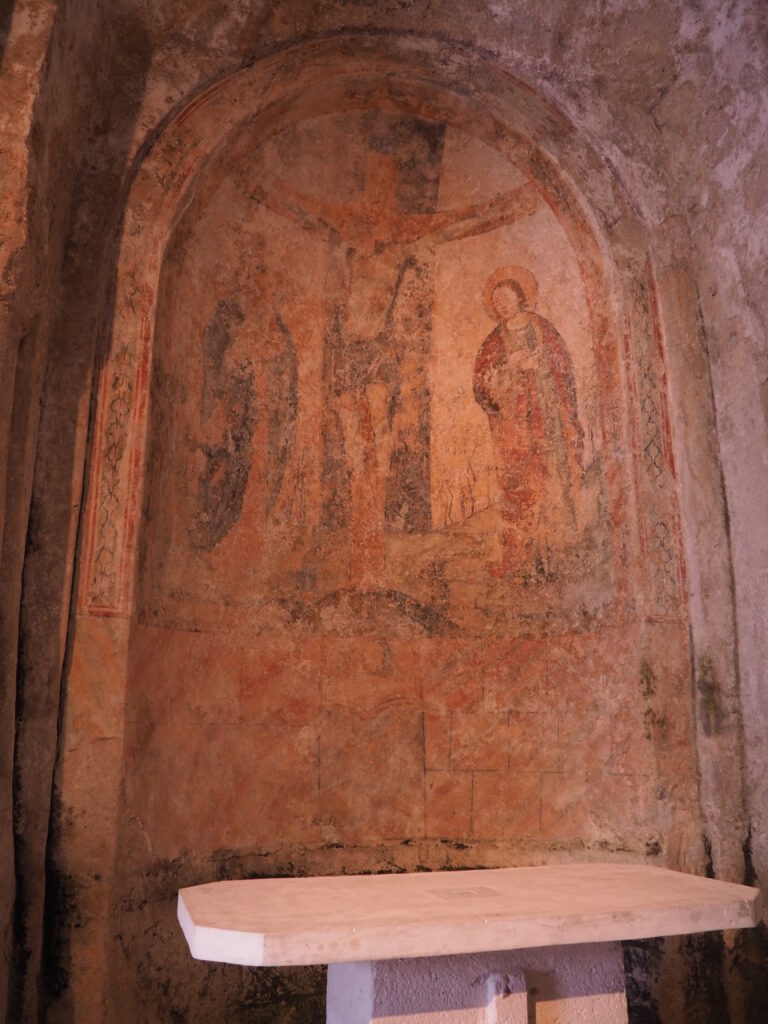 Madonna delle Virtù and San Nicola dei GreciChurches and sanctuariesNot given by official sources
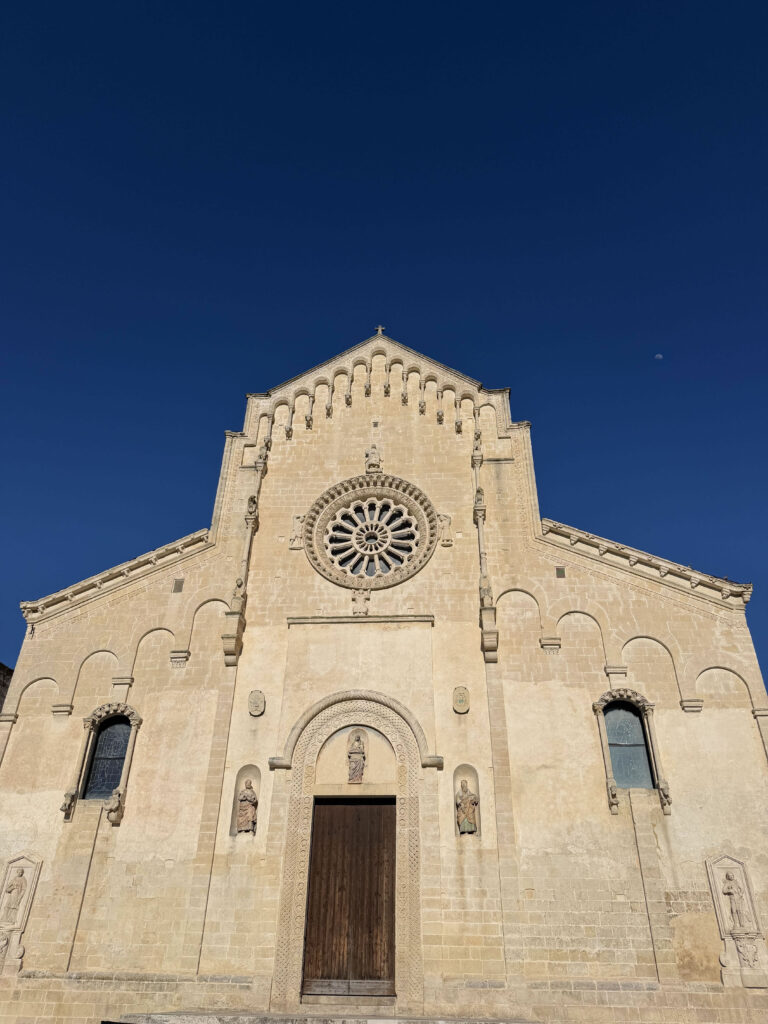 Matera CathedralChurches and sanctuariesCathedral and MATA route: €4. Included in Oltre l'Arte's 8-site single ticket (€25, reduced €16).
- MUdeSCA – Excavation MuseumMuseumsNot given by official sources
 Murgia Materana ParkParks and nature reservesFree admission
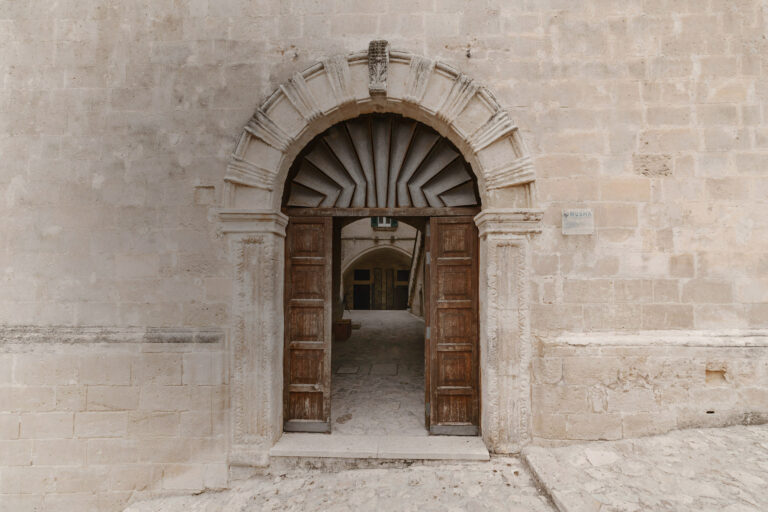 MUSMA – Museum of Contemporary SculptureMuseumsFull €7; reduced €4. Guided group tours on booking. Check prices on the website.
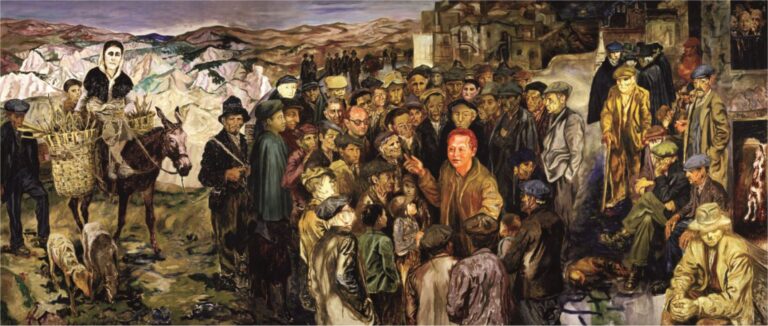 Palazzo LanfranchiMuseumsFull €10; reduced €2 (ages 18–25). Free on the first Sunday of the month («Domenica al museo»).
- Palombaro LungoMonuments and historic buildingsAdults €3; under 18 free; school groups €1.50. Cash or card.
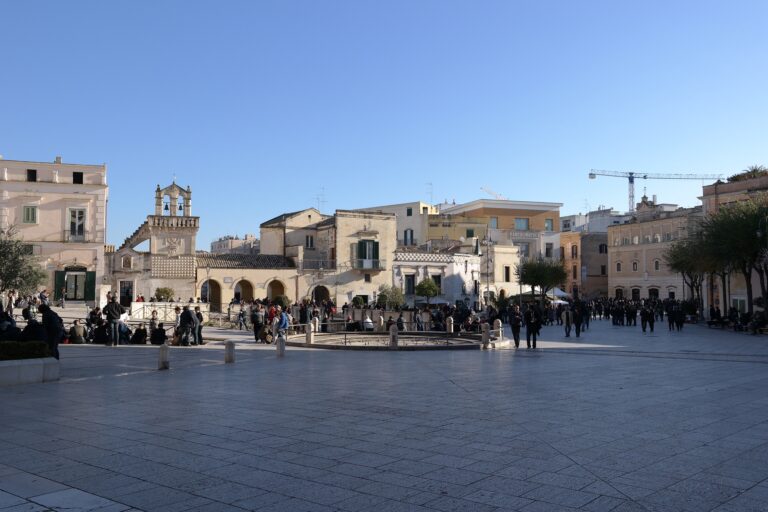 Piazza Vittorio VenetoMonuments and historic buildingsFree admission
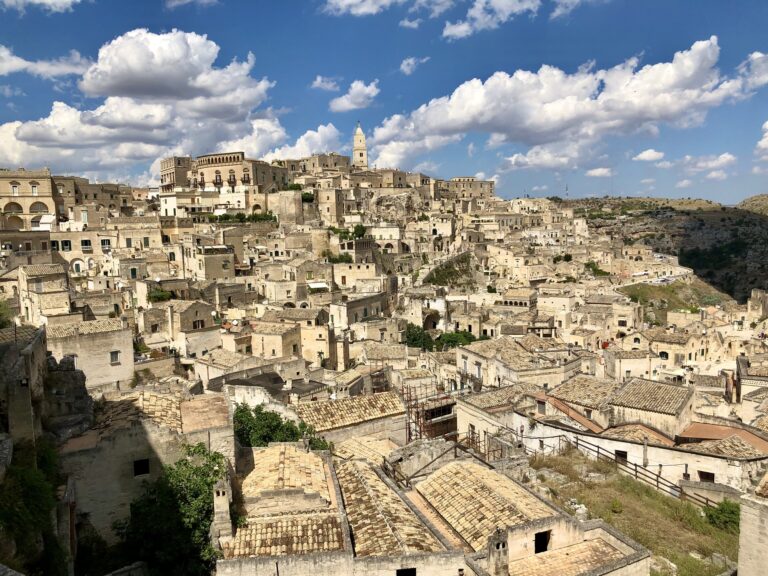 Piazzetta Pascoli viewpointViewpointsFree admission
- San Giovanni in MonterroneChurches and sanctuariesSingle ticket with Santa Maria de Idris. 1 rock church €4.50; 2 churches €8; 3 churches €10. Reductions from €2.50. Free for children up to 10.
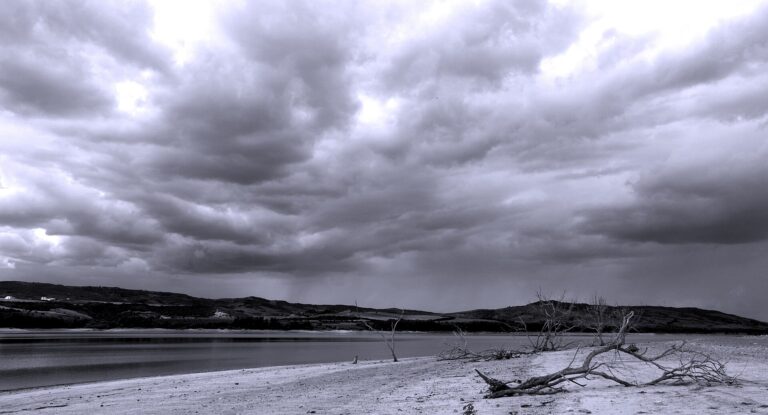 San Giuliano Lake Regional ReserveParks and nature reservesTo be checked with the managing body.
- San Pietro BarisanoChurches and sanctuaries1 rock church €4.50; 2 churches €8; 3 churches €10. Reductions from €2.50. Free for children up to 10.
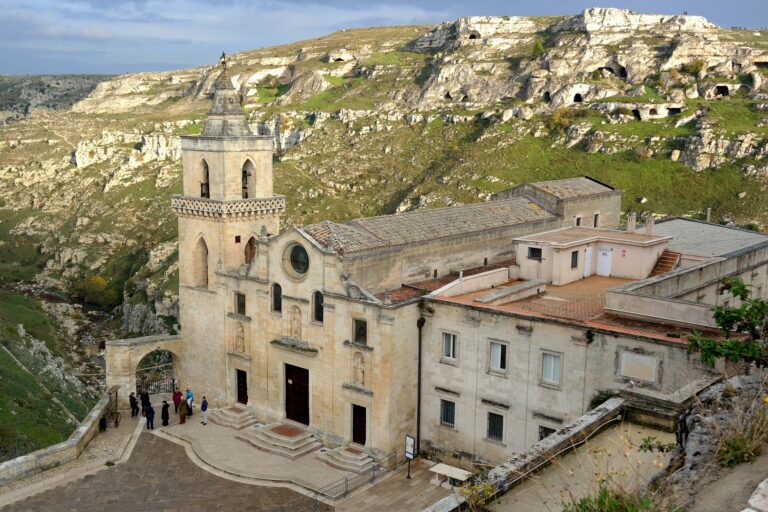 San Pietro CaveosoChurches and sanctuariesNot given by official sources
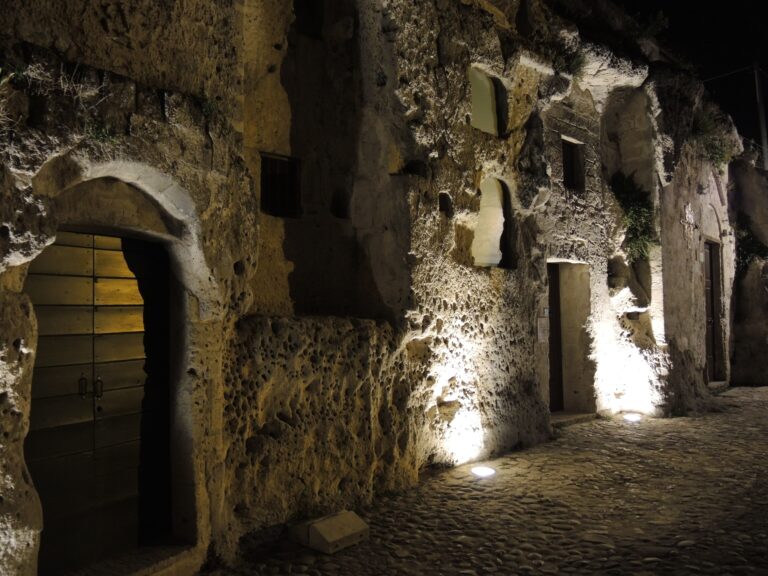 Santa Lucia alle MalveChurches and sanctuariesNot given by official sources
- Santa Maria de IdrisChurches and sanctuariesSingle ticket with San Giovanni in Monterrone. 1 rock church €4.50; 2 churches €8; 3 churches (with Santa Lucia alle Malve and San Pietro Barisano) €10. Reductions from €2.50.
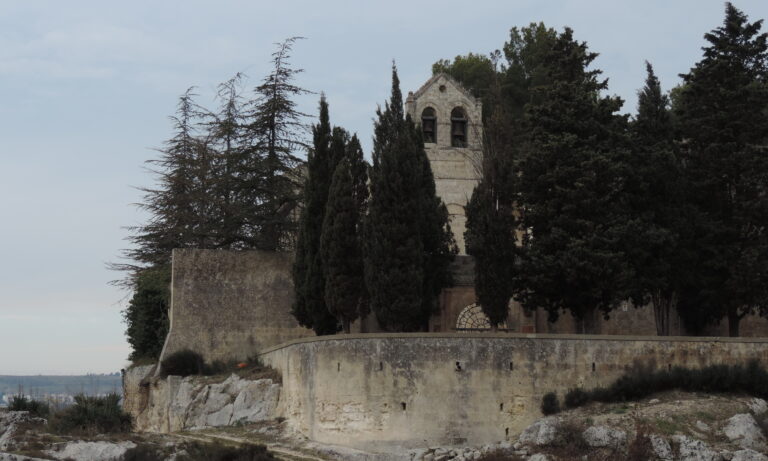 Santa Maria della Palomba and Sculpture ParkChurches and sanctuariesNot given by official sources
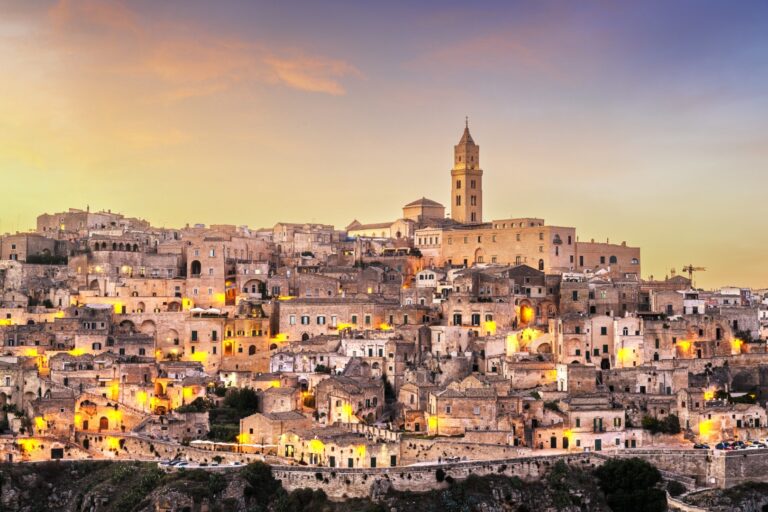 Sassi of MateraVillages and old townsLibero (alcuni siti a pagamento)
- Sasso BarisanoMonuments and historic buildingsFree. Rock churches and museums have their own tickets.
- Sasso CaveosoMonuments and historic buildingsFree. Rock churches, the Cave House and museums have their own tickets.
More places to see
- Tramontano Castle Castles and fortresses
More towns to discover
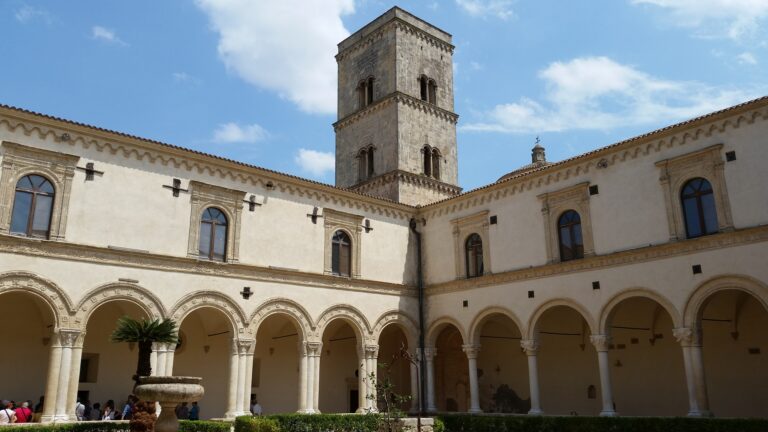 MontescagliosoProvince of Matera5 places to see
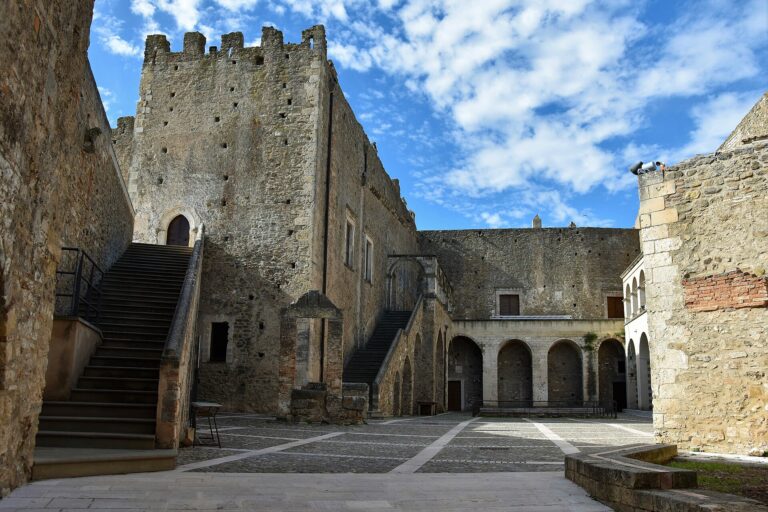 MiglionicoProvince of Matera6 places to see
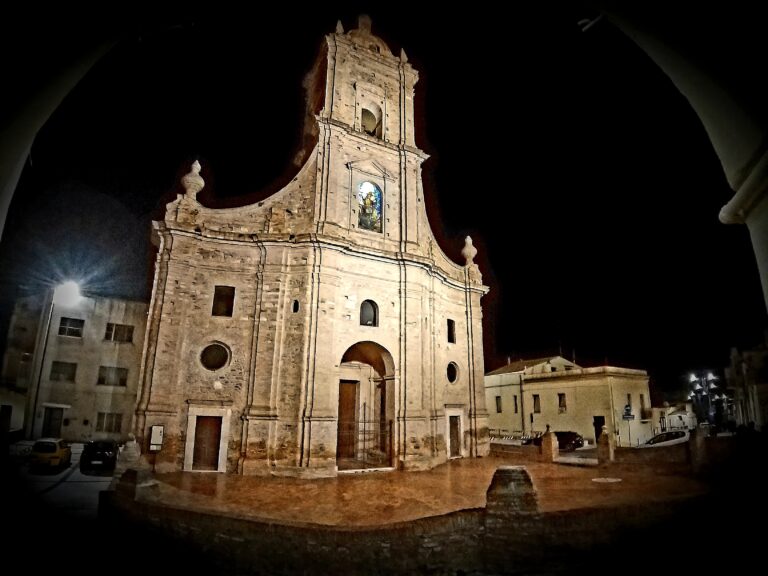 PomaricoProvince of Matera5 places to see
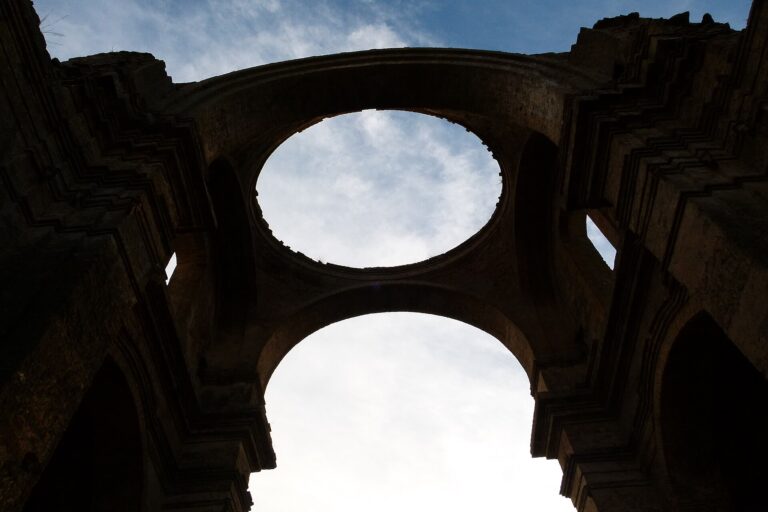 GrottoleProvince of Matera4 places to see
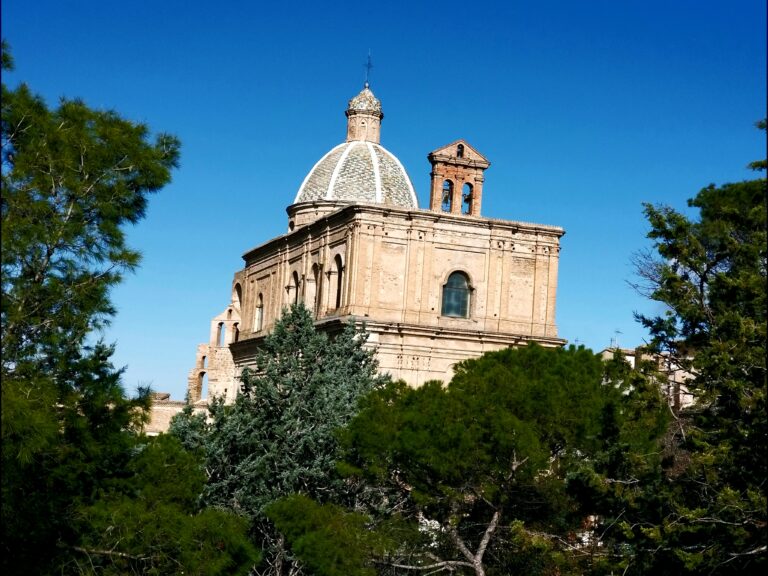 FerrandinaProvince of Matera5 places to see
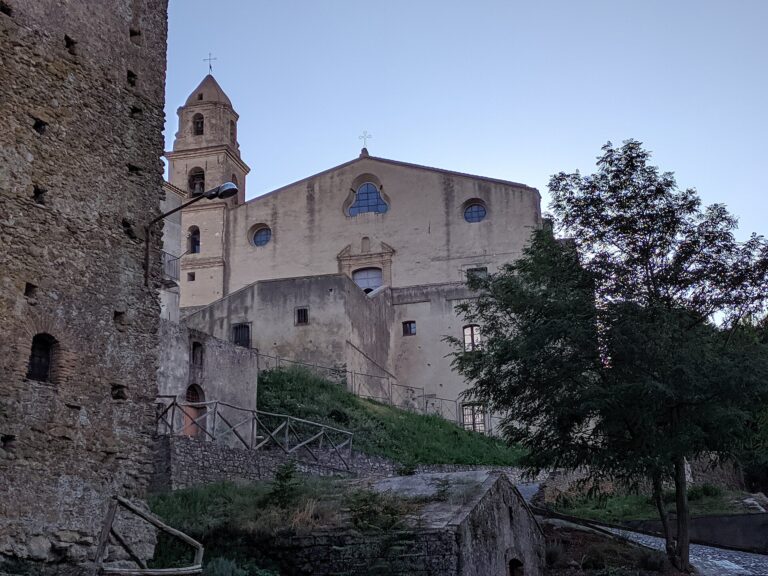 GrassanoProvince of Matera3 places to see
 SalandraProvince of Matera3 places to see
 IrsinaProvince of Matera4 places to see
 PisticciProvince of Matera6 places to see
 BernaldaProvince of Matera6 places to see