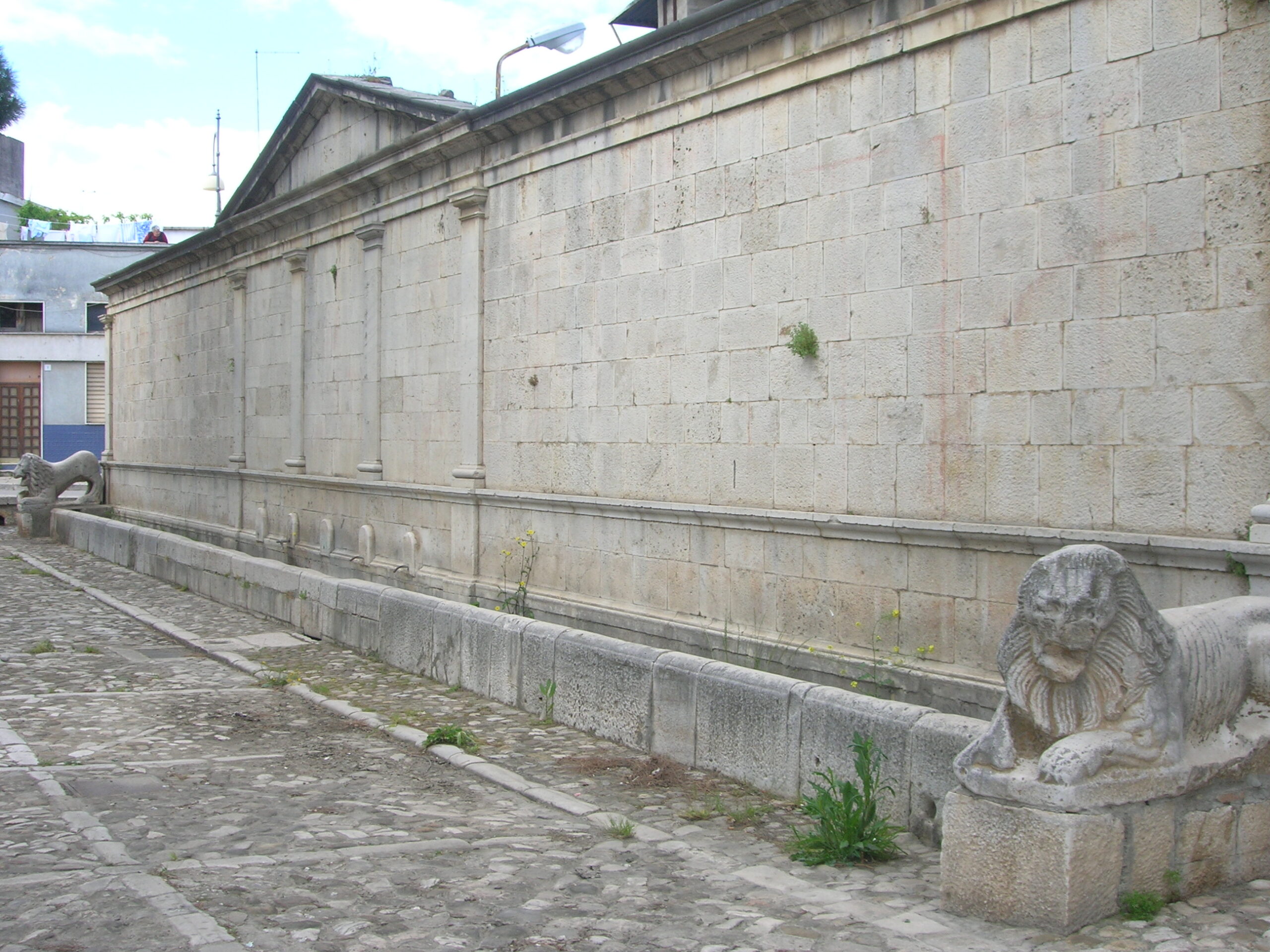
Province of Potenza
Venosa
The town of Horace and the Incompiuta
Foto: Generale Lee, CC BY-SA 3.0, via Wikimedia Commons
Discover Venosa
Venosa is one of the most history-rich towns in the South: about 10,500 people, at 415 metres, on a plateau of the Vulture. It was the Roman colony of Venusia, birthplace of the poet Horace, and later the town of the Gesualdo princes, family of the composer Carlo Gesualdo. It is one of the «Most Beautiful Villages in Italy».
History
The name is linked to Venus, the goddess of love. In 291 BC the Romans took it from the Samnites and made it a Latin colony, later linked to the Via Appia. Consul Varro took refuge here after the battle of Cannae in 216 BC, and in 65 BC Quintus Horatius Flaccus was born here. After the barbarian invasions it was the seat of a Lombard gastaldate, and in 1041 it passed to the Normans, who buried the first Hautevilles in the Trinity abbey. In 1453 it was brought as a dowry to Pirro Del Balzo, who built the castle, and from 1561 it belonged to the Gesualdo, Princes of Venosa. In 1861 it was occupied by Crocco’s brigands.
What to see
• Holy Trinity complex: the early Christian old church and the great roofless Unfinished Church of the 11th-12th century, a national monument since 1897; the Museum of the Territory is in the guesthouse.
• Archaeological park, with Roman baths, houses and the episcopal complex, and the Roman amphitheatre of the 1st-2nd century.
• Aragonese castle of Pirro Del Balzo, from 1470, with moat and towers: it houses the National Archaeological Museum.
• Sant’Andrea Co-Cathedral, built between 1470 and 1502.
• Churches: Purgatory, Santa Maria della Scala, San Domenico, San Rocco, San Biagio and Madonna delle Grazie.
• Jewish catacombs, 3rd-7th century, among the most important in Europe.
• House of Horace and the square with the poet’s monument; the palaces Calvini and Rapolla.
• Fountains: Angevin, Messer Oto and San Marco.
• Notarchirico Palaeolithic site, with finds 600,000-300,000 years old.
Festivals and flavours
The Holy Trinity, the Madonna delle Grazie on the first Sunday of July and San Rocco on 16 August are celebrated. Venosa is a land of Aglianico del Vulture and Vulture PDO olive oil; local dishes include lagane with chickpeas, strascinati with ‘ntruppc ragù, mutton cutturidd, fried lampascioni, pizzicannelli and raffaiuoli.
Venosa is part of the Vulture-Melfese tourist area.
What to see in a day
Venosa is the birthplace of the Latin poet Horace and one of the richest historic towns in Basilicata. It is one of the Most Beautiful Villages in Italy.
- The 15th-century Pirro del Balzo castle, home of the National Archaeological Museum
- The Abbey of the Holy Trinity, with the old church and the great "Incompiuta", a church that was never finished
- The archaeological park with the baths, houses and amphitheatre of the Roman town
- The Jewish catacombs, among the most important in southern Italy
- The Cathedral, the Angevin fountain and the house traditionally said to be Horace's
When to go
All year round; spring and autumn are more pleasant for the outdoor sites. It is also a good stop on a tour of the Vulture wineries.
Getting there
By car: about an hour from Potenza and a little more from Foggia. Venosa is close to Melfi, Rionero in Vulture and the Monticchio lakes, which make a good two-day tour.
What to eat and drink
Aglianico del Vulture, the local red wine, with Lucanian cooking: hand-made pasta, grilled meat and cheeses.
Frequently asked questions
Who was Horace and what is there in Venosa?
Quintus Horatius Flaccus, one of the great Latin poets, was born in Venosa in 65 BC. The town remembers him with a statue in the square and the house tradition attributes to him.
Why is the abbey church called the Incompiuta?
It was begun by the Benedictines next to the old church but never finished: today the roofless walls and columns remain.
How long does a visit to Venosa take?
One day lets you see the castle and museum, the abbey and the archaeological park.
What is there to see near Venosa?
Melfi and its castle, the Monticchio lakes and the Aglianico del Vulture wineries.
On the map
- Things to see
Things to see in Venosa
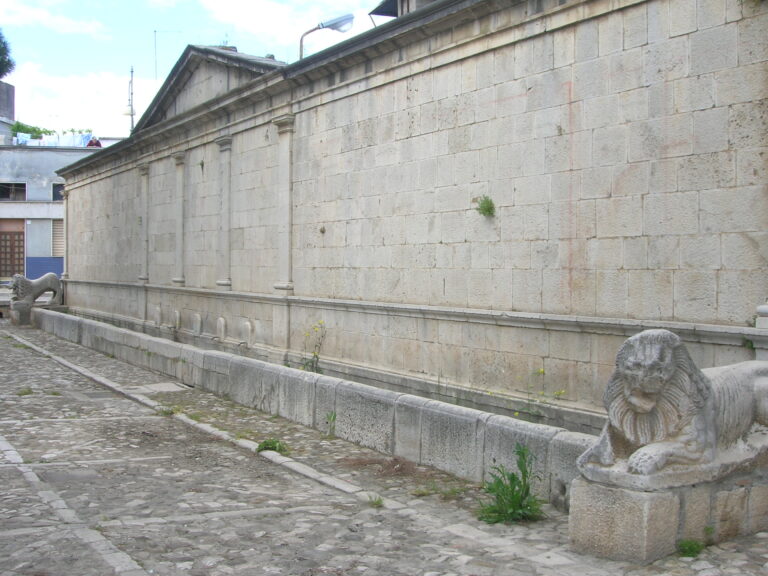 Angevin FountainMonuments and historic buildingsFree entry.
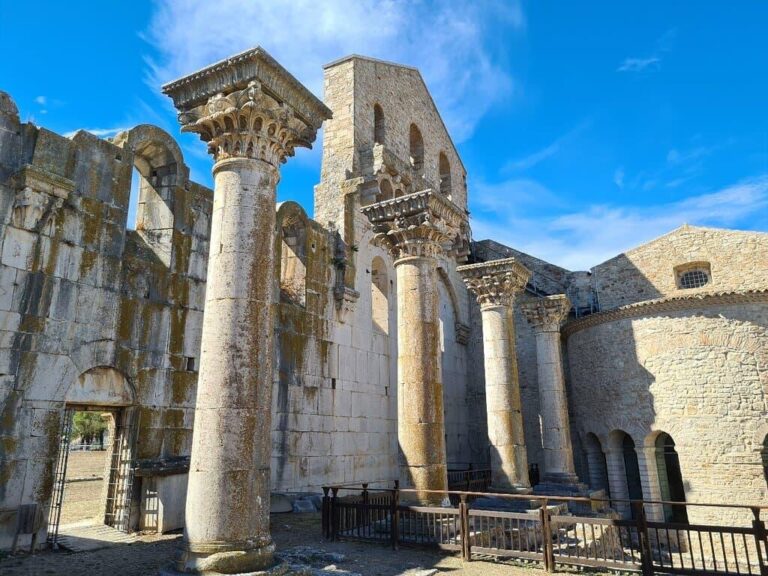 Archaeological Park and Roman AmphitheatreArchaeological sitesA pagamento
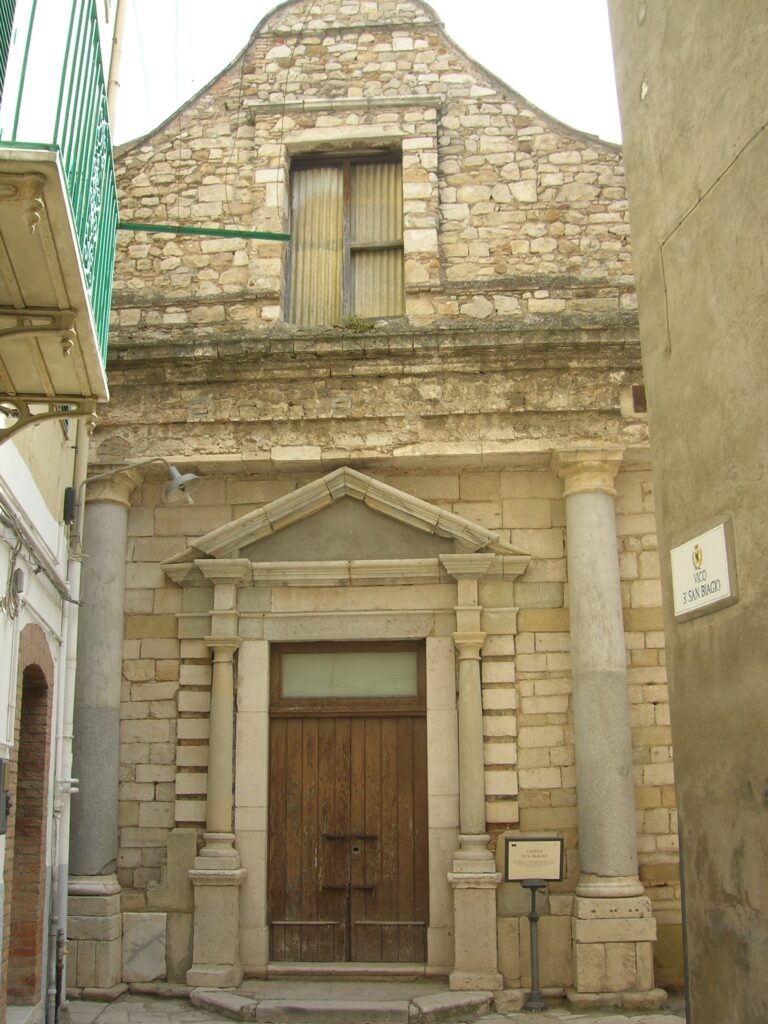 Church of San BiagioChurches and sanctuariesFree entry.
- Church of San DomenicoChurches and sanctuariesFree entry.
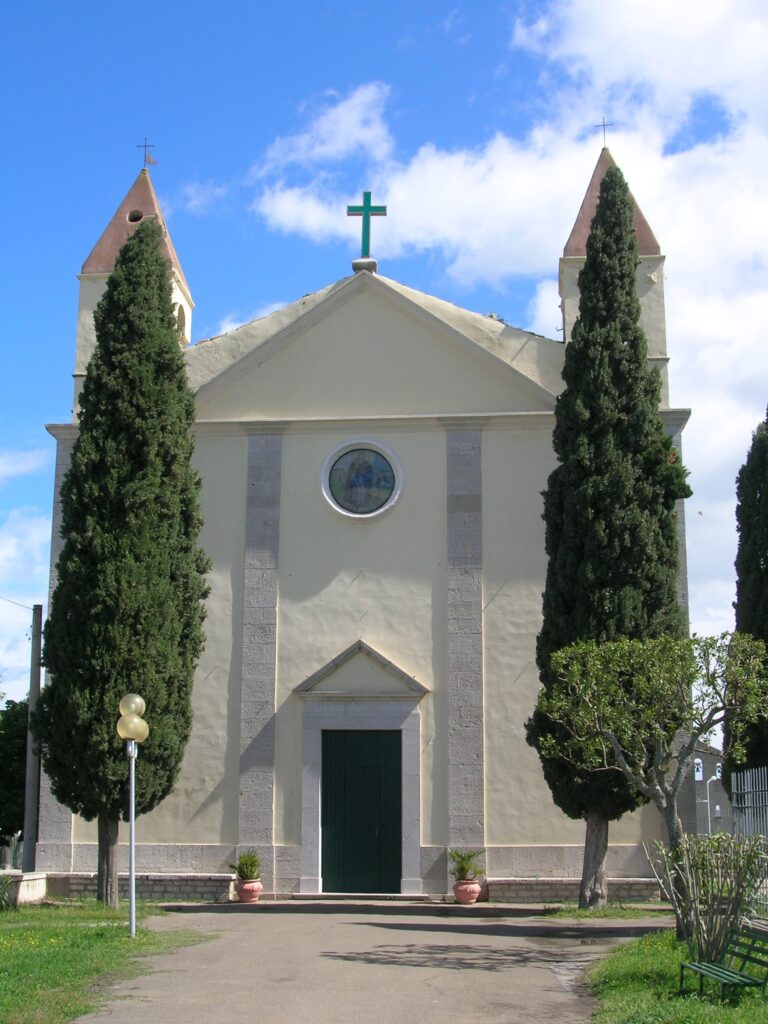 Church of San RoccoChurches and sanctuariesFree entry.
- Church of Santa Maria della ScalaChurches and sanctuariesFree entry.
- Church of the Madonna delle GrazieChurches and sanctuariesFree entry.
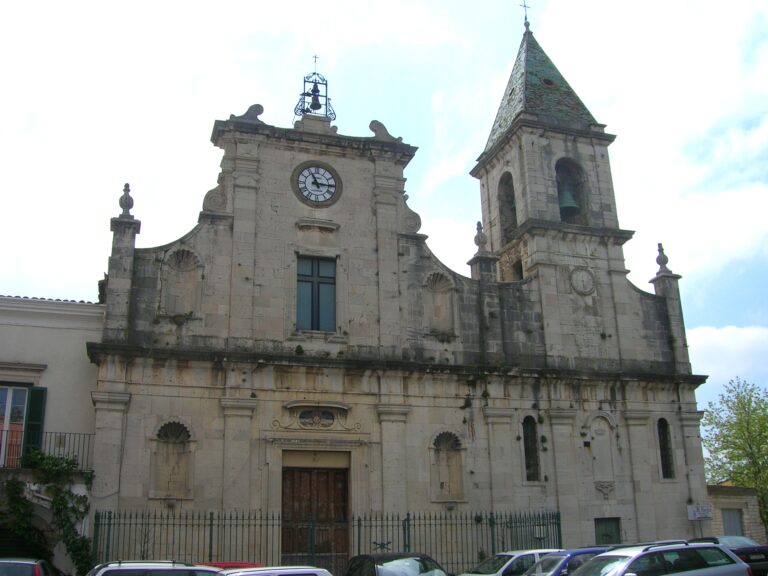 Church of the Purgatory (San Filippo Neri)Churches and sanctuariesFree entry.
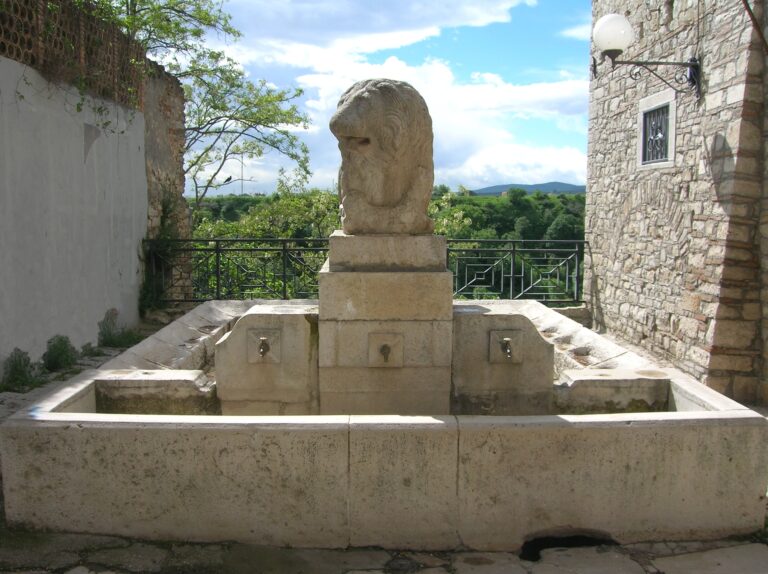 Fontana di Messer OtoMonuments and historic buildingsFree entry.
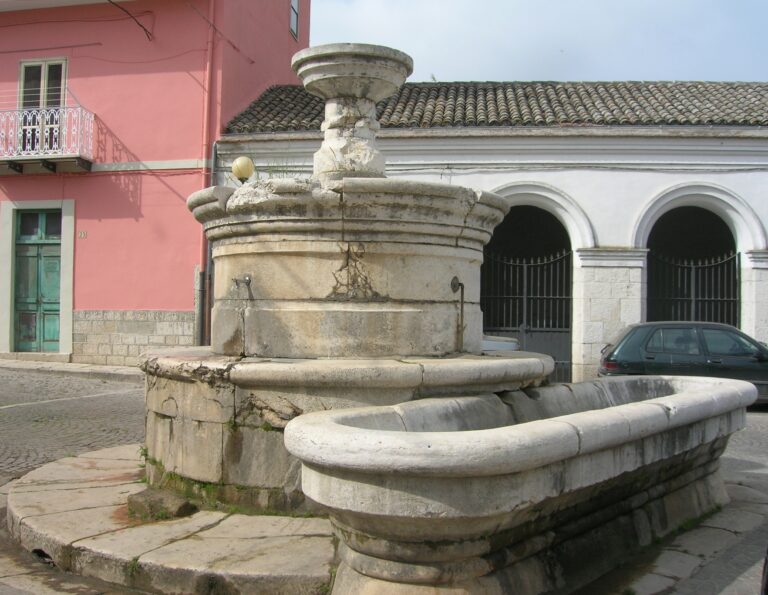 Fontana di San MarcoMonuments and historic buildingsFree entry.
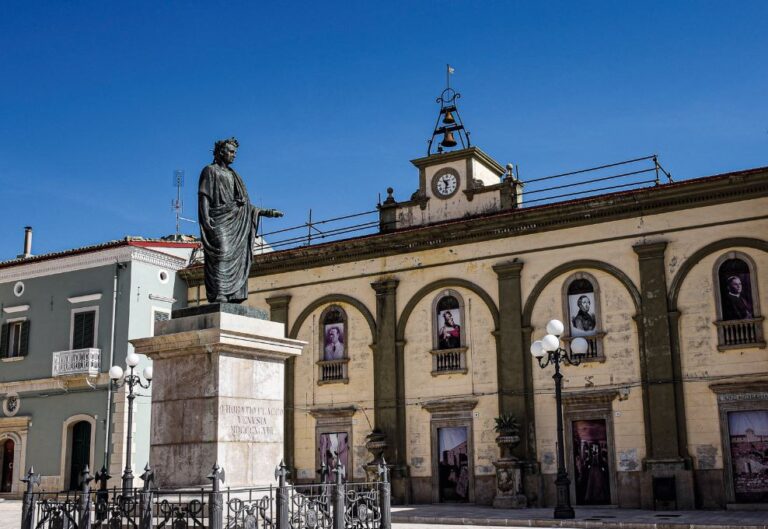 House of OrazioMonuments and historic buildingsGratuito
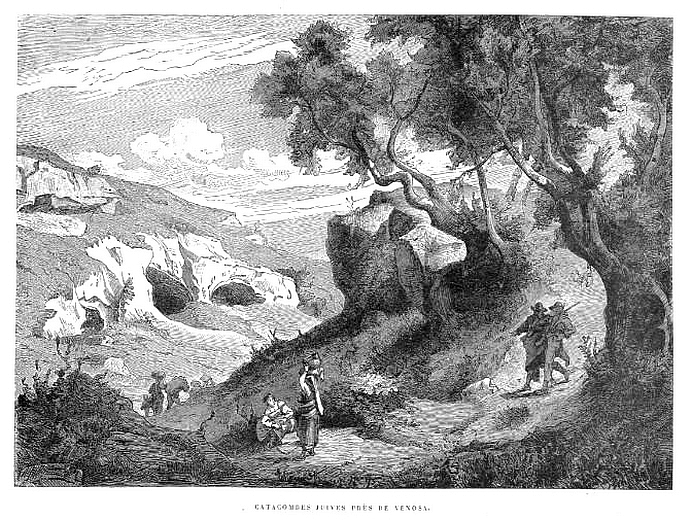 Jewish CatacombsArchaeological sitesCheck on site.
- Museum of the TerritoryMuseumsCheck on site.
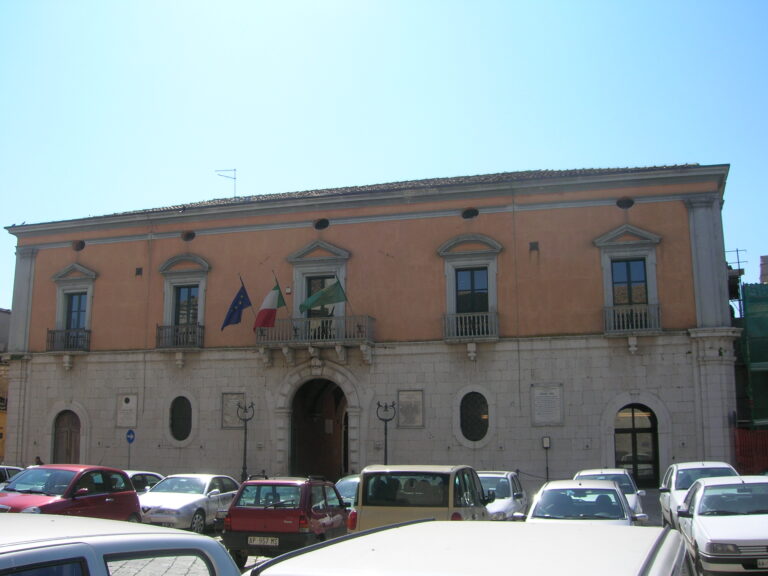 Palazzo CalviniMonuments and historic buildingsCheck on site.
- Palazzo RapollaMonuments and historic buildingsCheck on site.
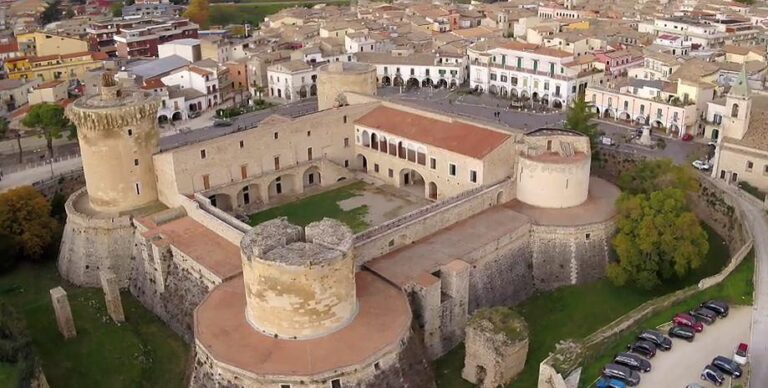 Pirro del Balzo Castle and Archaeological MuseumCastles and fortresses, Museums
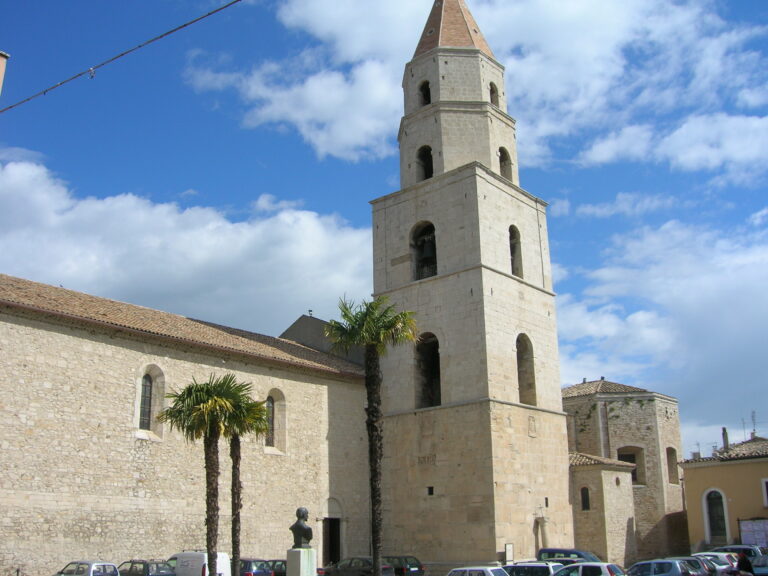 Sant’Andrea Co-CathedralChurches and sanctuariesFree entry.
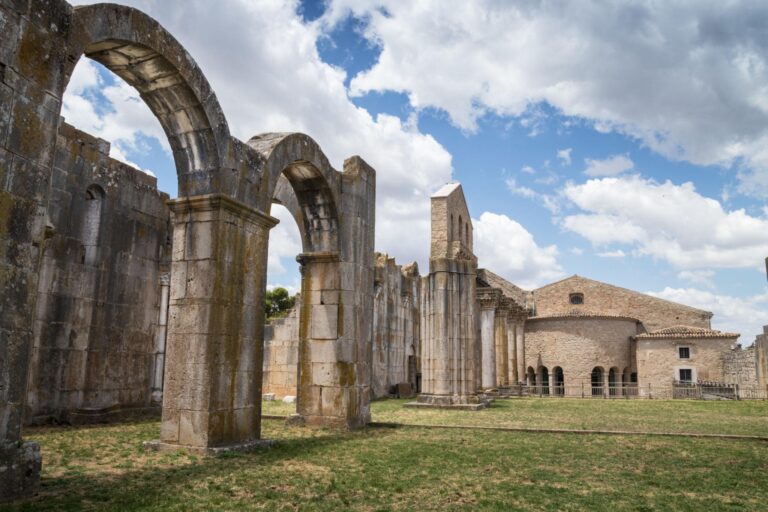 The Abbey of the Holy Trinity and the Unfinished Church of VenosaChurches and sanctuariesA pagamento
More towns to discover
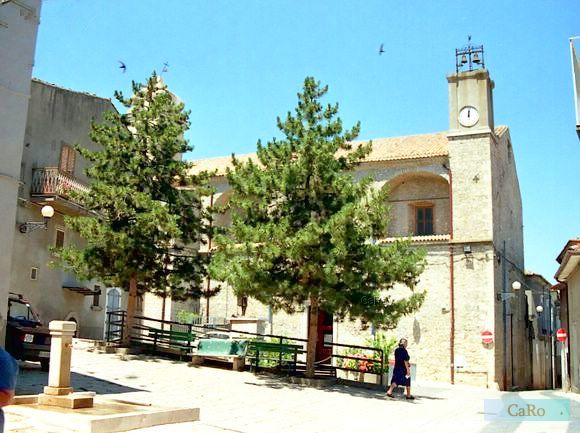 MaschitoProvince of Potenza2 places to see
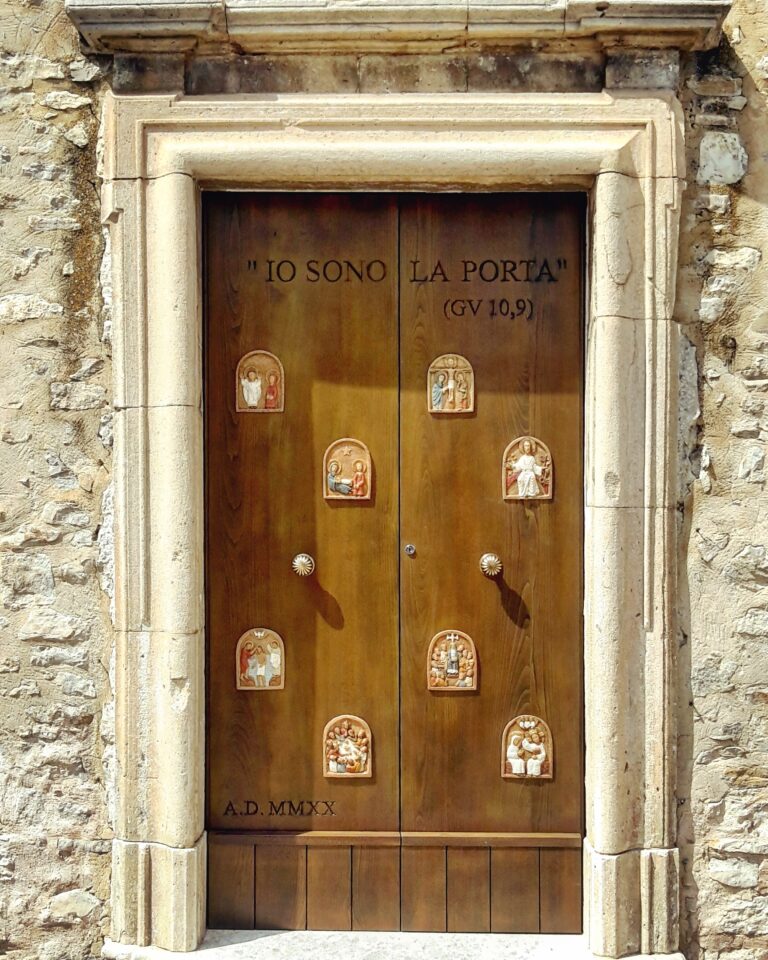 GinestraProvince of Potenza1 place to see
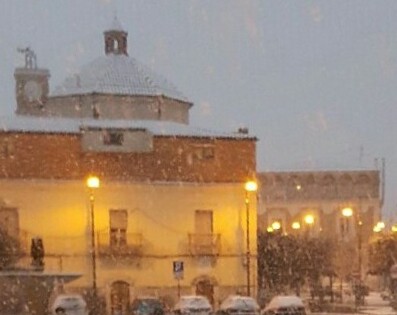 LavelloProvince of Potenza4 places to see
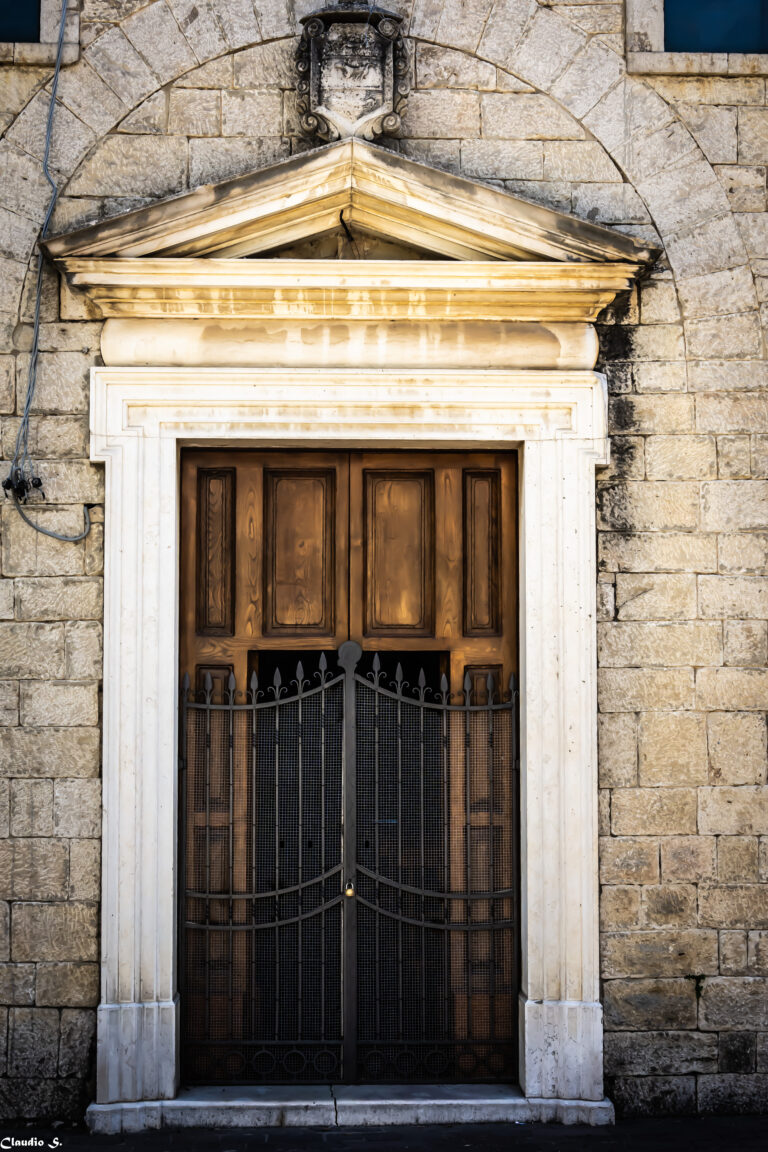 RipacandidaProvince of Potenza3 places to see
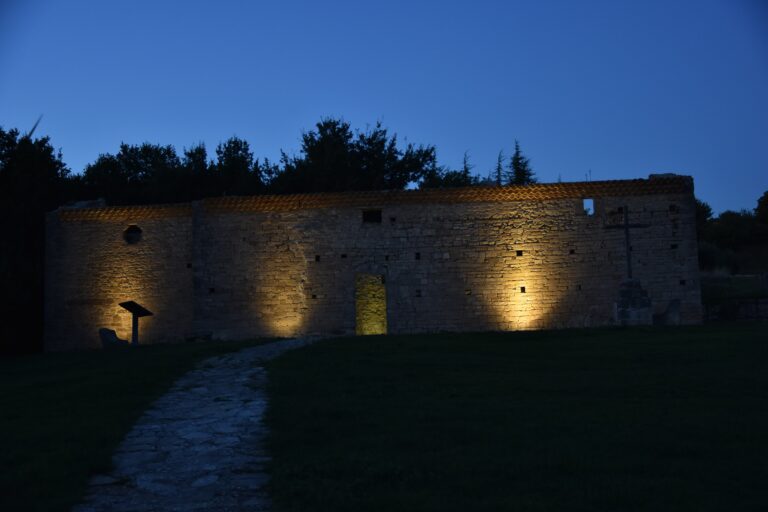 ForenzaProvince of Potenza2 places to see
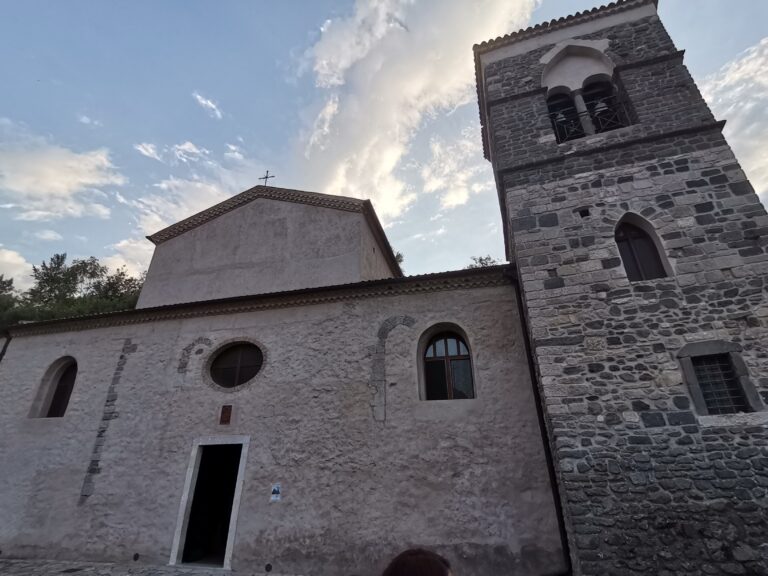 RapollaProvince of Potenza4 places to see
 BarileProvince of Potenza6 places to see
 Rionero in VultureProvince of Potenza8 places to see
 MontemiloneProvince of Potenza3 places to see
 Palazzo San GervasioProvince of Potenza3 places to see