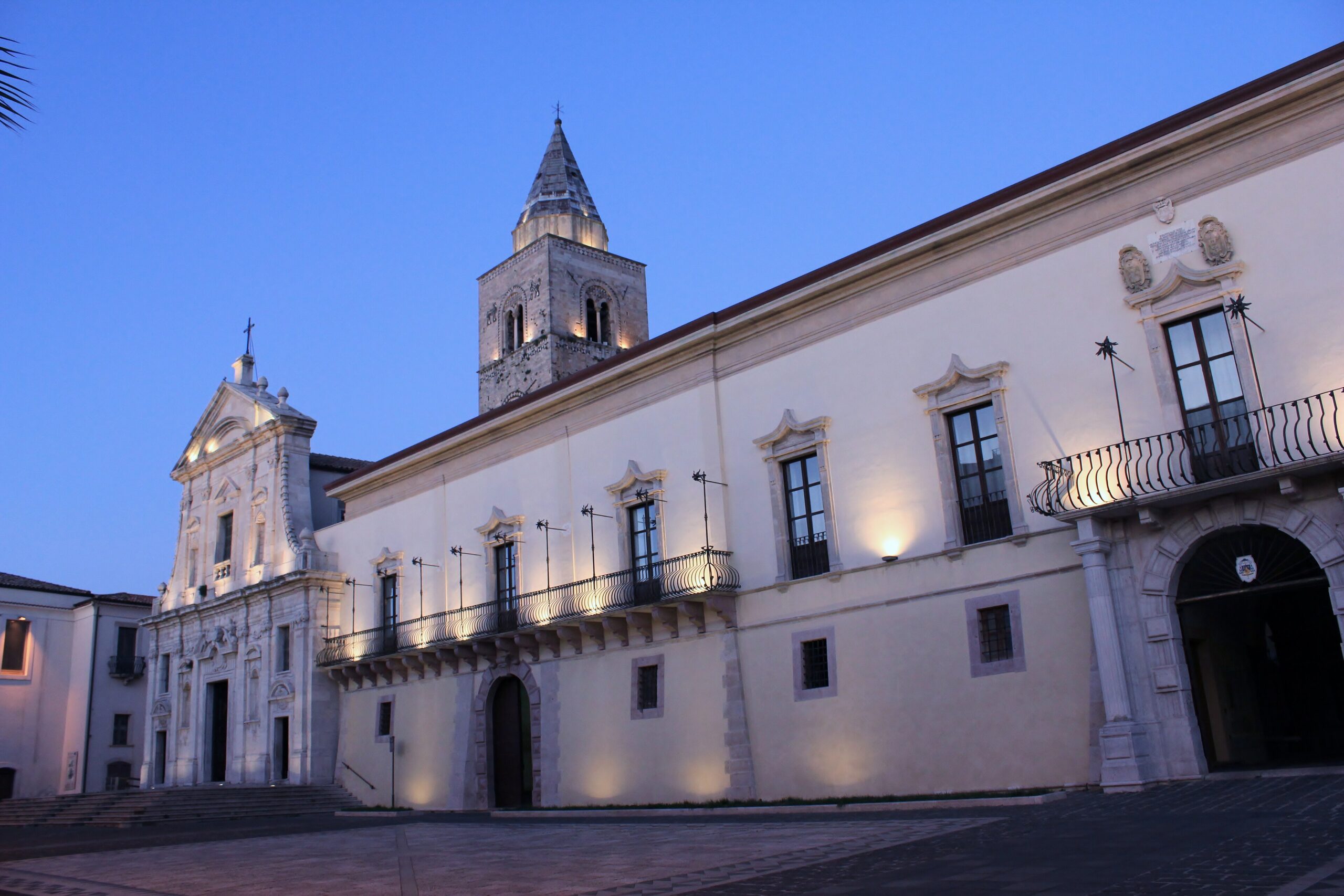
Province of Potenza
Melfi
Frederick II's town at the foot of Mount Vulture
Foto: Aldo Montemarano, CC BY-SA 4.0, via Wikimedia Commons
Discover Melfi
Melfi is the main town of the Vulture, with about 16,800 people, at 530 metres, on a volcanic terrace at the foot of Monte Vulture. It was the first capital of the Normans in southern Italy and the town of Frederick II, who promulgated the Constitutions of Melfi here in 1231. Its great castle houses the National Archaeological Museum of the Melfi area.
History
The name comes from the Melphes stream, now the Melfia, mentioned by Pliny. Fortified by the Byzantines in 1018, in 1042 it became the base of the Hauteville family for the conquest of the South: it was capital of the county and then the duchy of Apulia and Calabria, and the seat of five councils between 1059 and 1137. In 1231 Frederick II promulgated the Constitutiones Augustales here, the first great law code of the Middle Ages. In 1528 the town was besieged and sacked by the French, the «Bloody Easter»; from 1531 it belonged to the Doria. It was later struck by the earthquakes of 1851, 1930 and 1980. It is the home town of statesman Francesco Saverio Nitti.
What to see
• Melfi Castle, Norman and Swabian, with its towers: it houses the National Archaeological Museum of the Melfese, with the famous Roman Rapolla sarcophagus.
• Cathedral of Santa Maria Assunta, with its Norman bell tower of 1153, and the Bishop’s Palace and Diocesan Museum.
• Churches: Sant’Antonio, San Lorenzo, Santa Maria ad Nives and the former church of Santa Maria la Nova.
• Rock-cut churches: Santa Margherita, with its scene of the living and the dead, and the Madonna delle Spinelle.
• Walls and gates: the walls, Porta Venosina and the other medieval gates.
• Palaces, theatre and fountains: Palazzo della Corte, Palazzo Donadoni and Civic Museum, the Ruggero II Theatre, the Fontana del Bagno and the Fontana del Bagnitello.
• Monte Vulture and the Ofanto river, with woods and vineyards.
Festivals and flavours
In the last week of October the Frederician Historical Parade takes place; at Pentecost there is the feast of the Holy Spirit and on 8 December the feast of the Pannedduzze. Typical are maccaronara pasta, lagane with walnuts, pancotto, calzoncelli and the marroncino di Melfi chestnut, with Aglianico del Vulture and Vulture PDO olive oil.
Melfi is part of the Vulture-Melfese tourist area.
What to see in a day
Melfi was one of the Norman capitals of southern Italy and a town loved by Emperor Frederick II.
- The Norman-Swabian castle, where in 1231 Frederick II issued the Constitutions of Melfi; it houses the National Archaeological Museum of the Melfese with the Rapolla sarcophagus
- The Cathedral and its Norman bell tower
- The walls and Porta Venosina, the old gateway to the town
- The old town with its noble palaces and churches
Nearby
The Vulture area: the Monticchio lakes, in the crater of the extinct volcano, with the Abbey of San Michele overlooking the water; the Aglianico wineries; Rionero, Barile and Rapolla.
When to go
All year round. In autumn the Vulture chestnuts are harvested and the wineries are busy with the grape harvest.
Getting there
By train on the Potenza–Foggia line or by car: about an hour from Potenza and from Foggia.
What to eat and drink
Aglianico del Vulture, chestnuts, local cured meats and cheeses, hand-made pasta with meat sauce.
Frequently asked questions
Can I visit Melfi castle?
Yes, it houses the National Archaeological Museum of the Melfese. Check opening hours and tickets on the museum website before you go.
What are the Constitutions of Melfi?
The law code of the Kingdom of Sicily issued by Frederick II in 1231 in Melfi castle.
How far are the Monticchio lakes from Melfi?
About half an hour by car: you can combine them with the town on the same day.
Can I reach Melfi by train?
Yes, Melfi has a station on the Potenza–Foggia railway line.
On the map
- Things to see
Things to see in Melfi
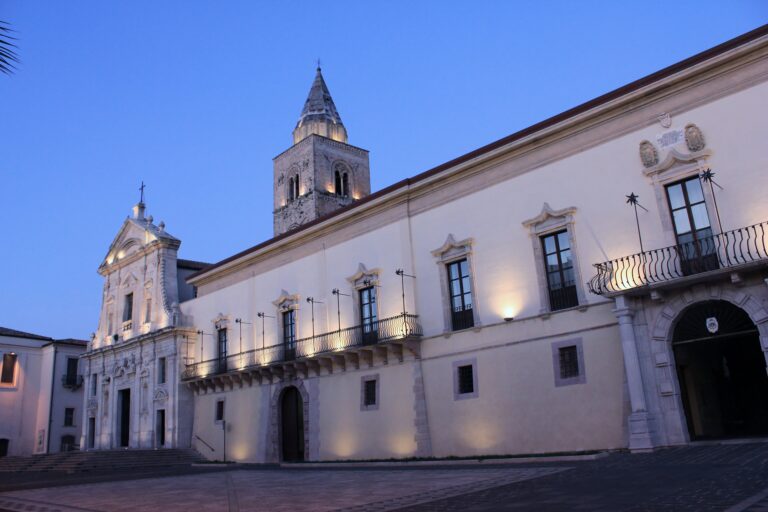 Bishop’s Palace and Diocesan MuseumMuseumsCheck on site.
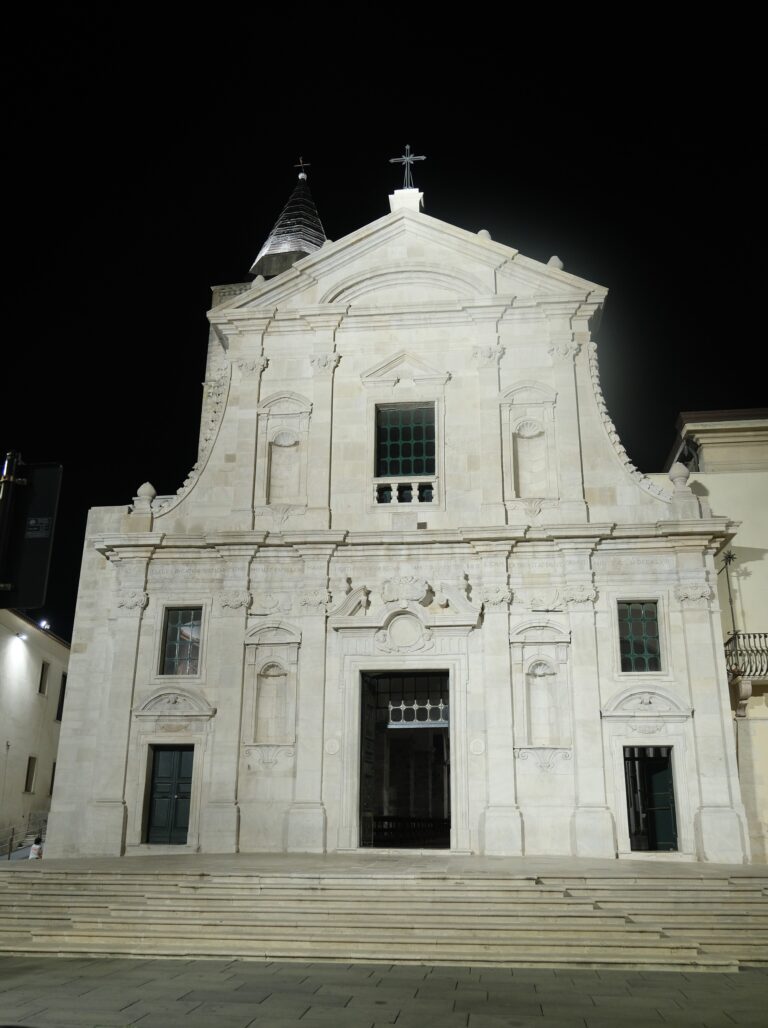 Cathedral of Santa Maria AssuntaChurches and sanctuariesFree entry.
- Church of San LorenzoChurches and sanctuariesFree entry.
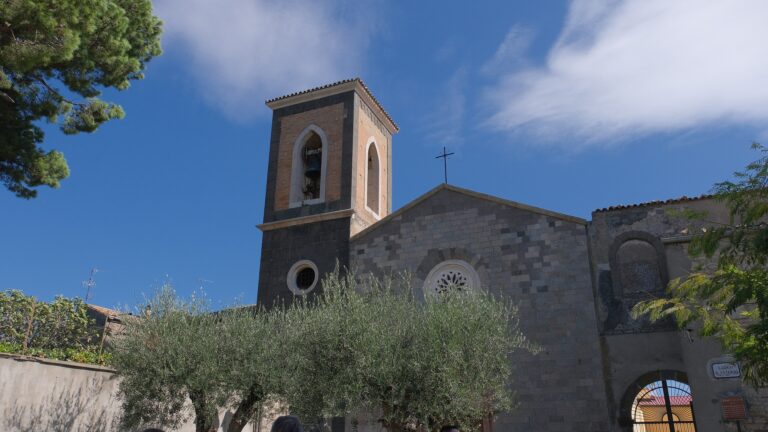 Church of Sant’AntonioChurches and sanctuariesFree entry.
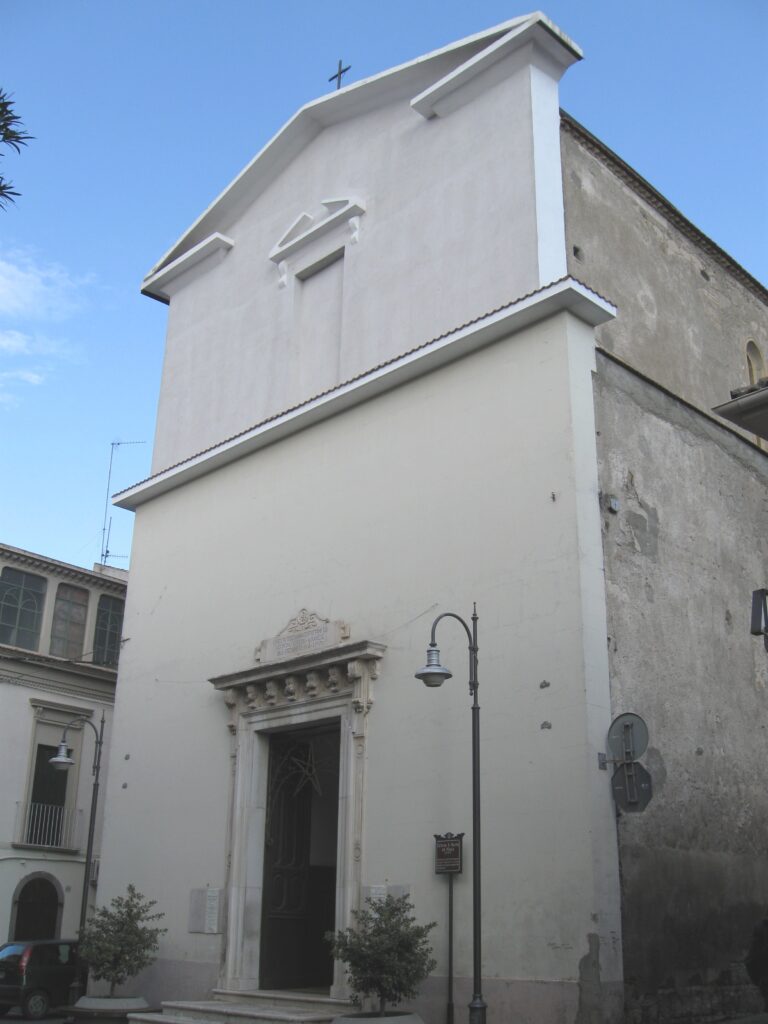 Church of Santa Maria ad NivesChurches and sanctuariesFree entry.
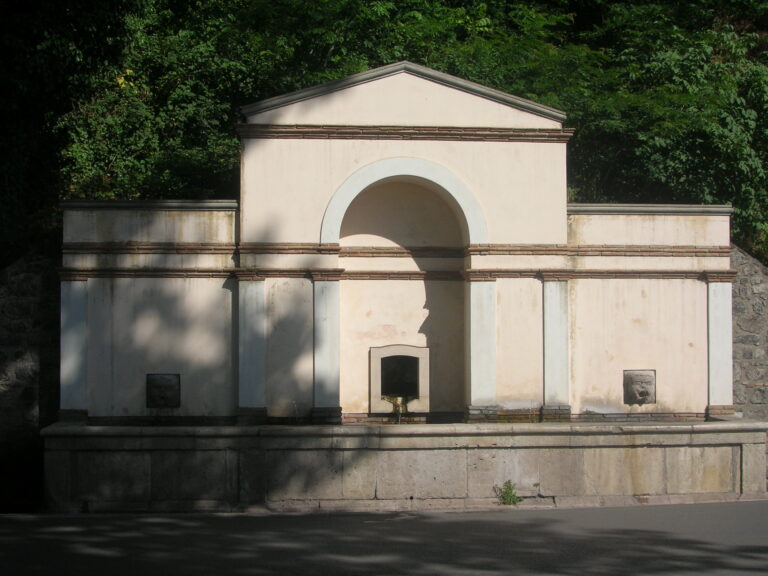 Fontana del BagnitelloMonuments and historic buildingsFree entry.
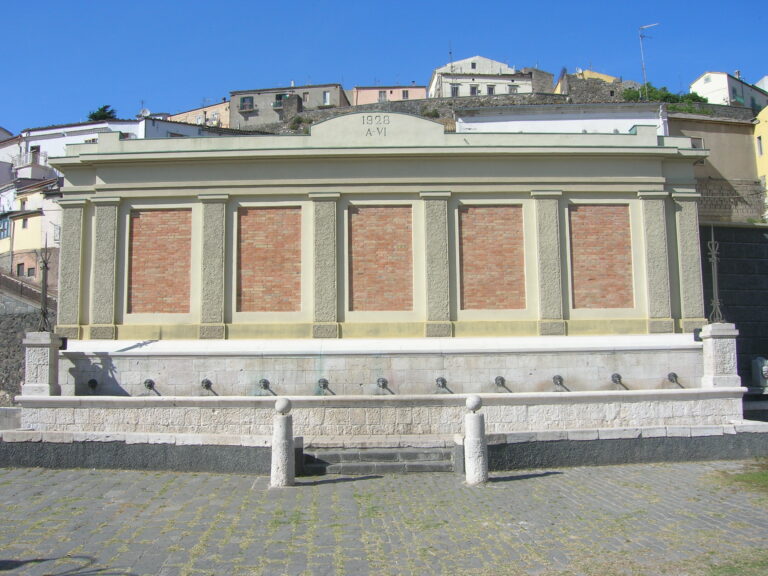 Fontana del BagnoMonuments and historic buildingsFree entry.
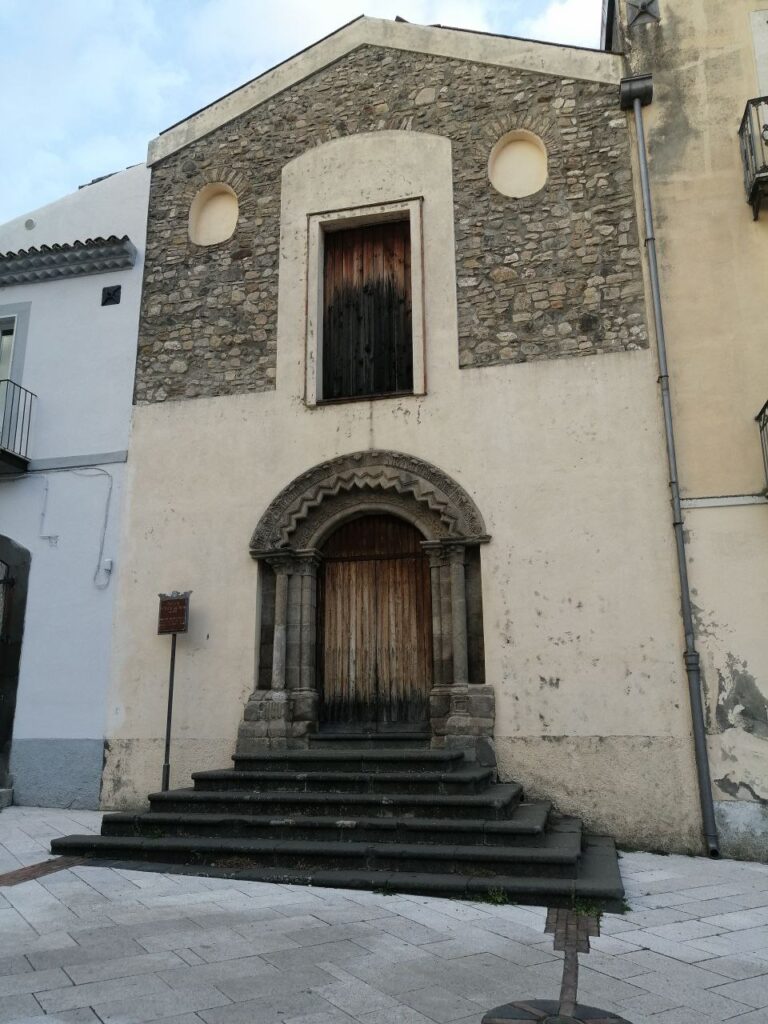 Former Church of Santa Maria la NovaChurches and sanctuariesFree entry.
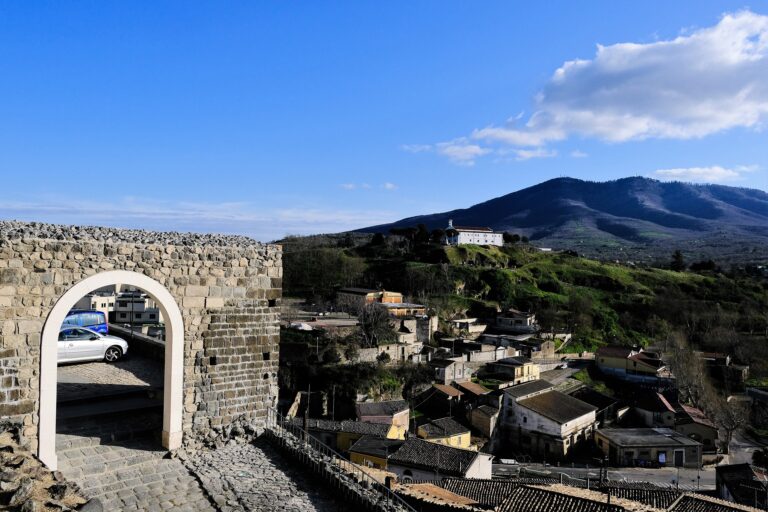 Medieval Gates of Melfi (Troiana, Calcinaia, Sant’Antolino)Villages and old townsFree entry.
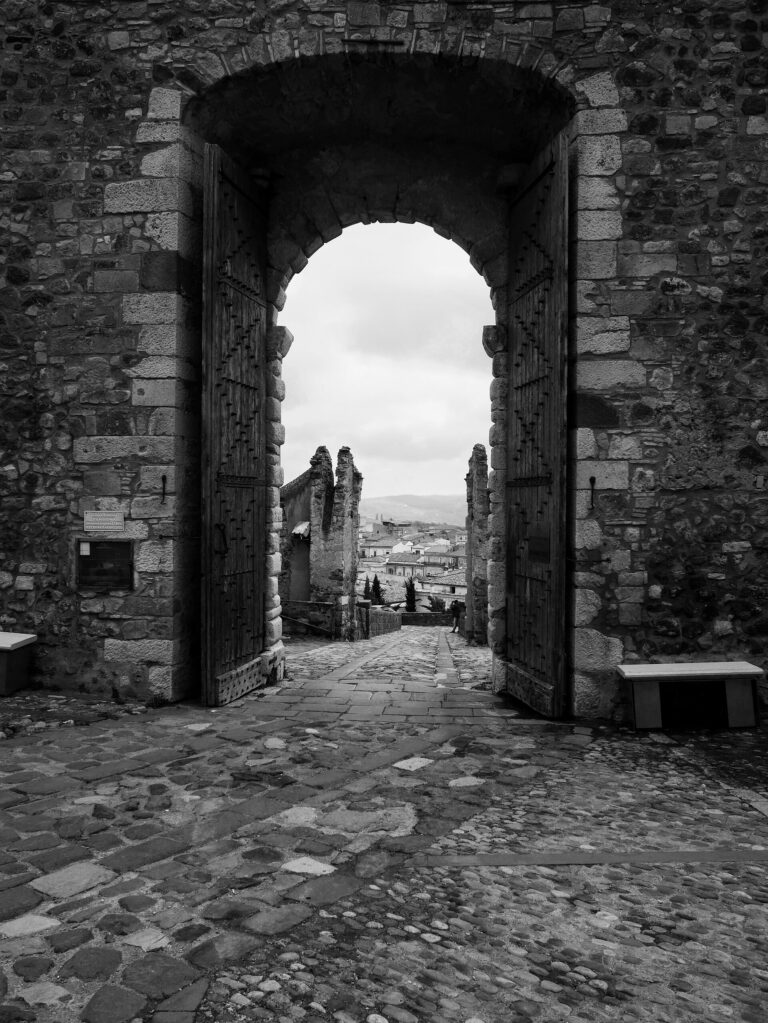 Melfi CastleCastles and fortresses
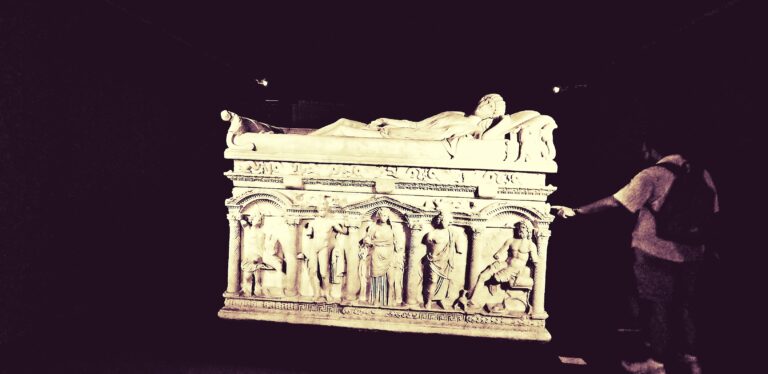 National Archaeological Museum of the MelfeseMuseumsCheck on site.
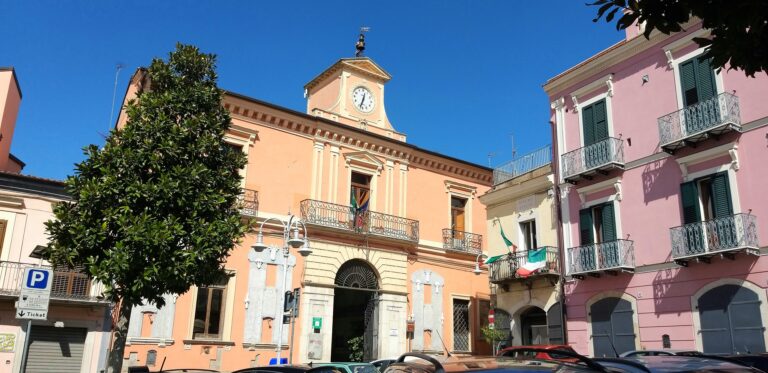 Palazzo della CorteMonuments and historic buildingsFree entry.
- Palazzo Donadoni and Civic MuseumMuseumsCheck on site.
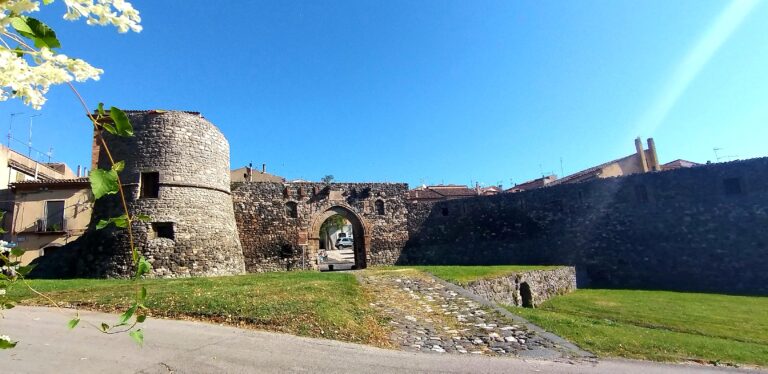 Porta VenosinaVillages and old townsFree entry.
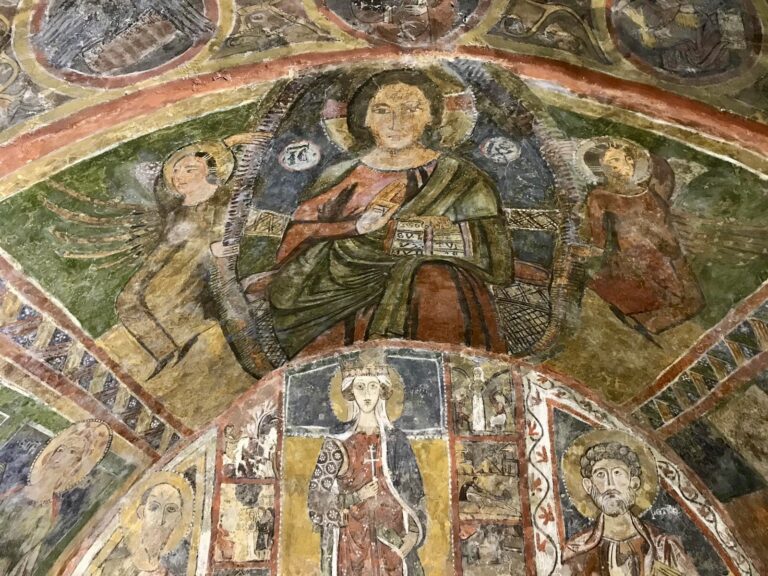 Rock-cut Church of Santa MargheritaChurches and sanctuariesCheck on site.
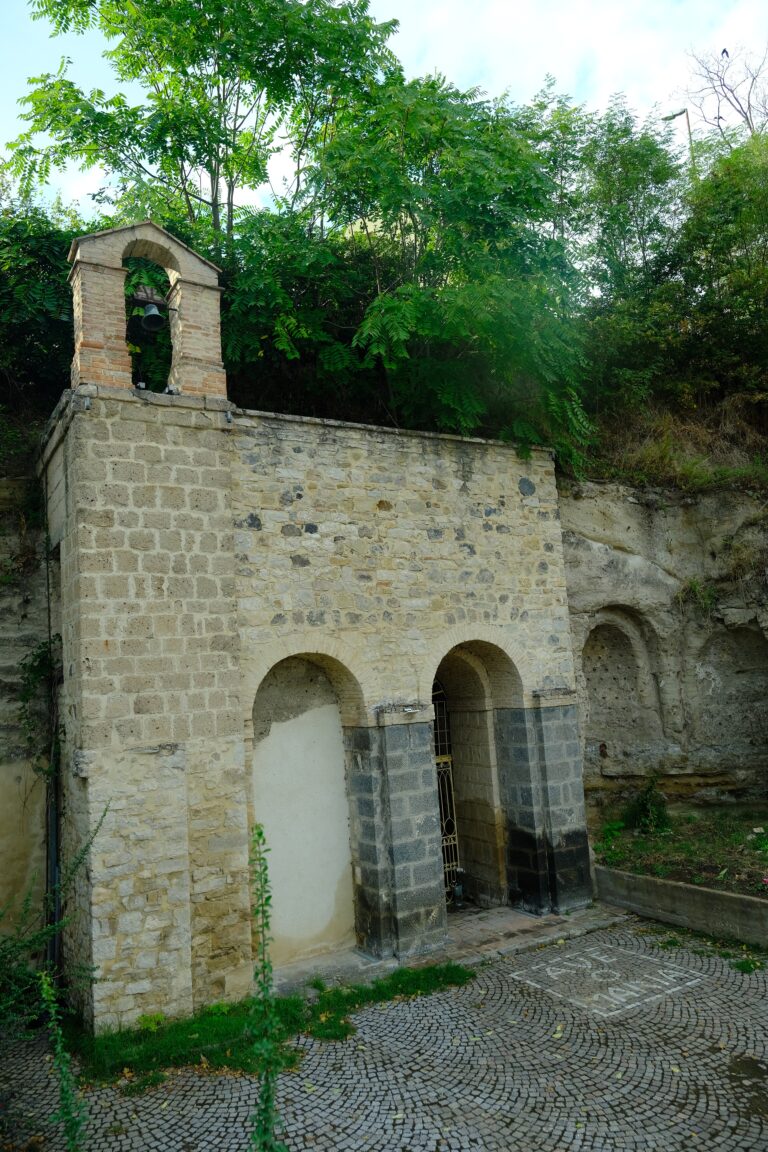 Rock-cut Church of the Madonna delle SpinelleChurches and sanctuariesCheck on site.
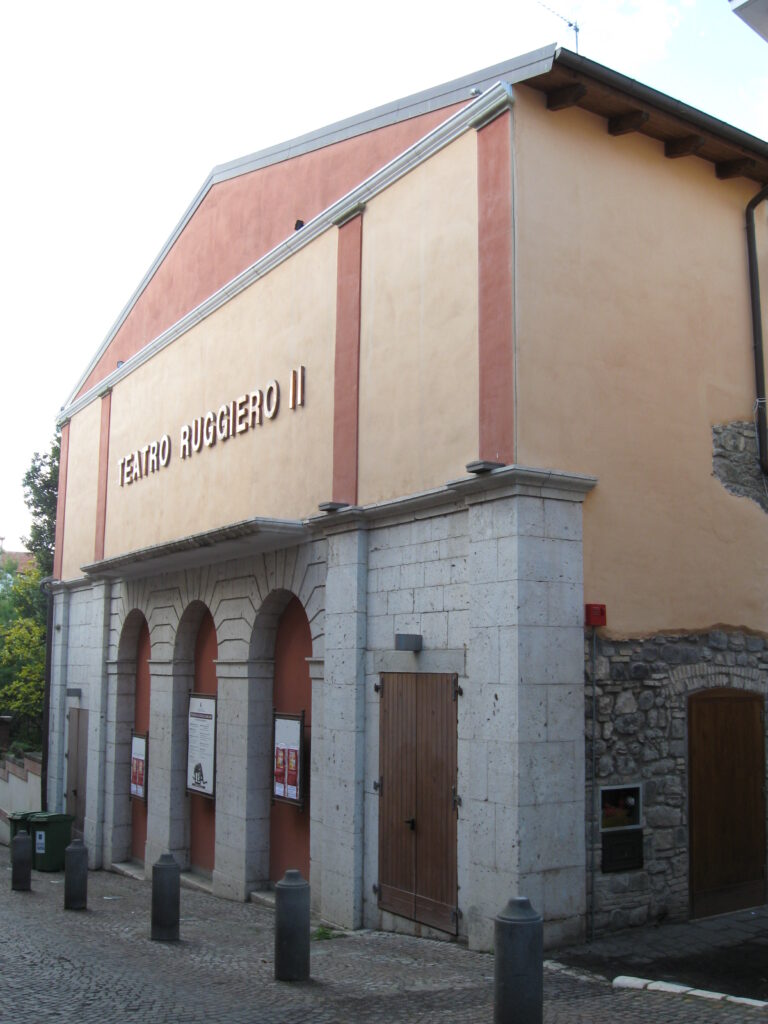 Ruggero II TheatreMonuments and historic buildingsDepends on the show.
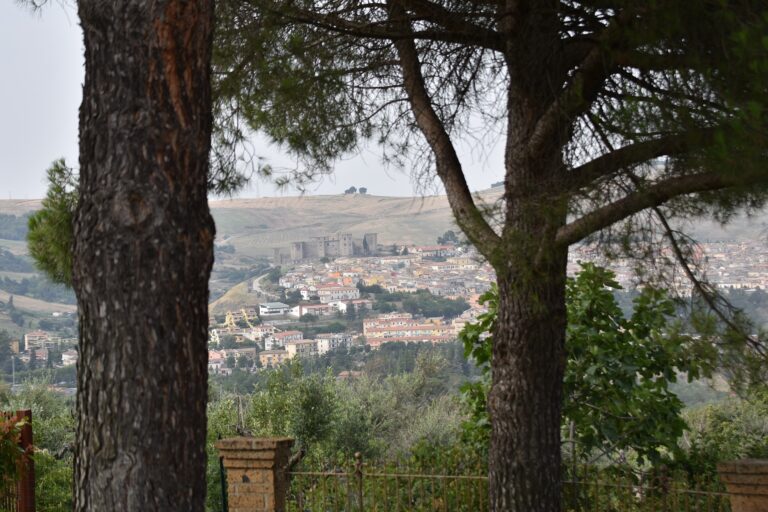 Walls of MelfiVillages and old townsFree entry.
More towns to discover
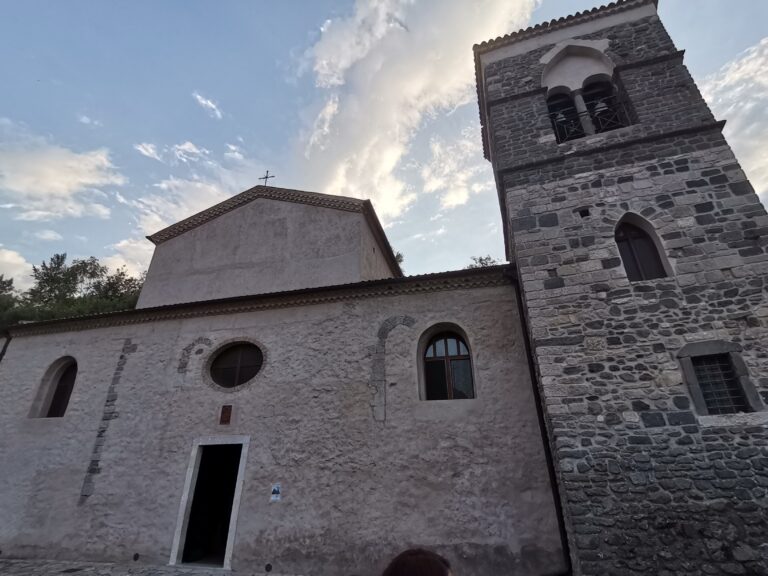 RapollaProvince of Potenza4 places to see
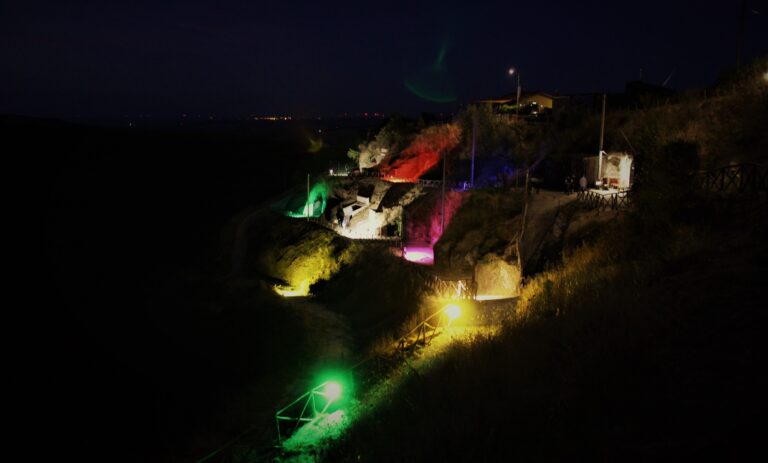 BarileProvince of Potenza6 places to see
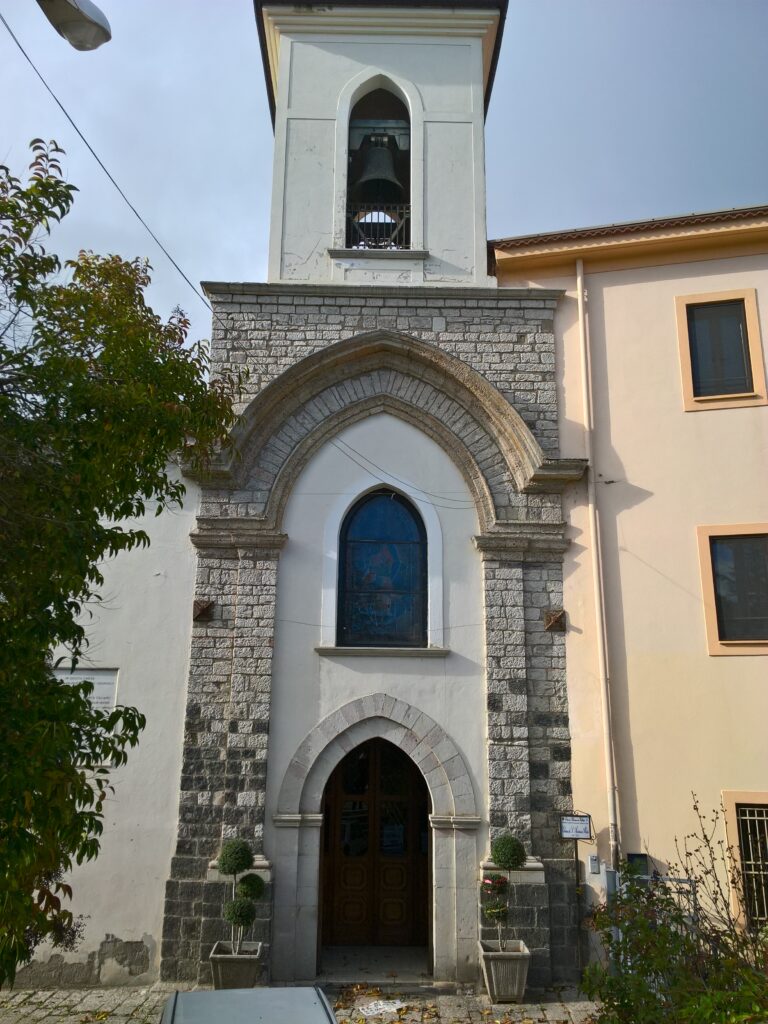 Rionero in VultureProvince of Potenza8 places to see
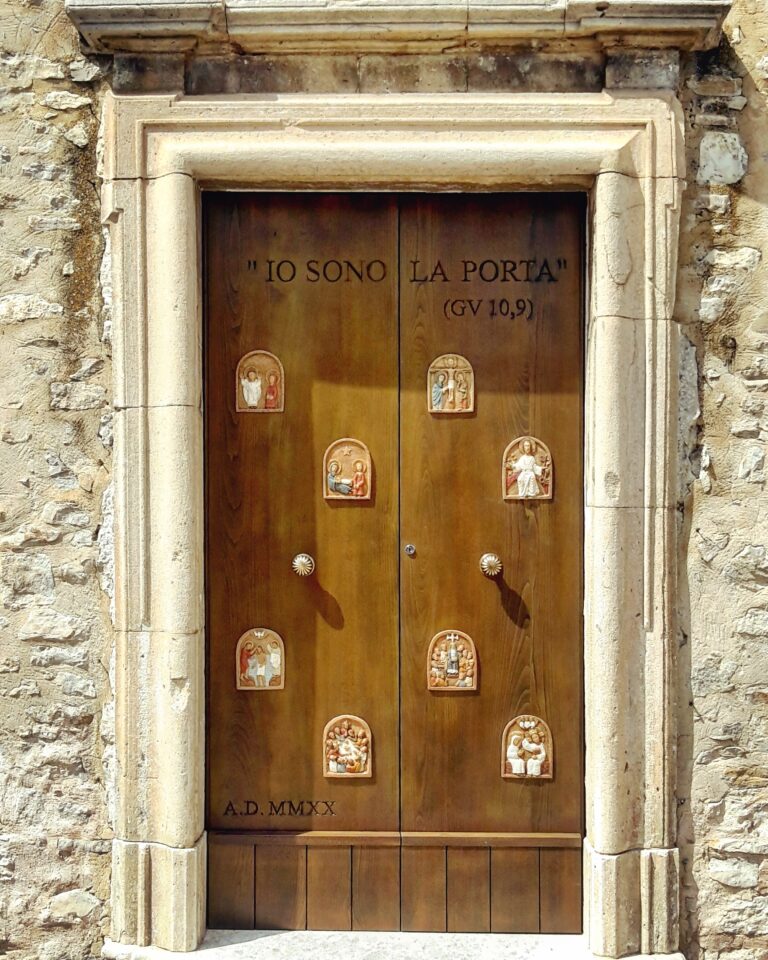 GinestraProvince of Potenza1 place to see
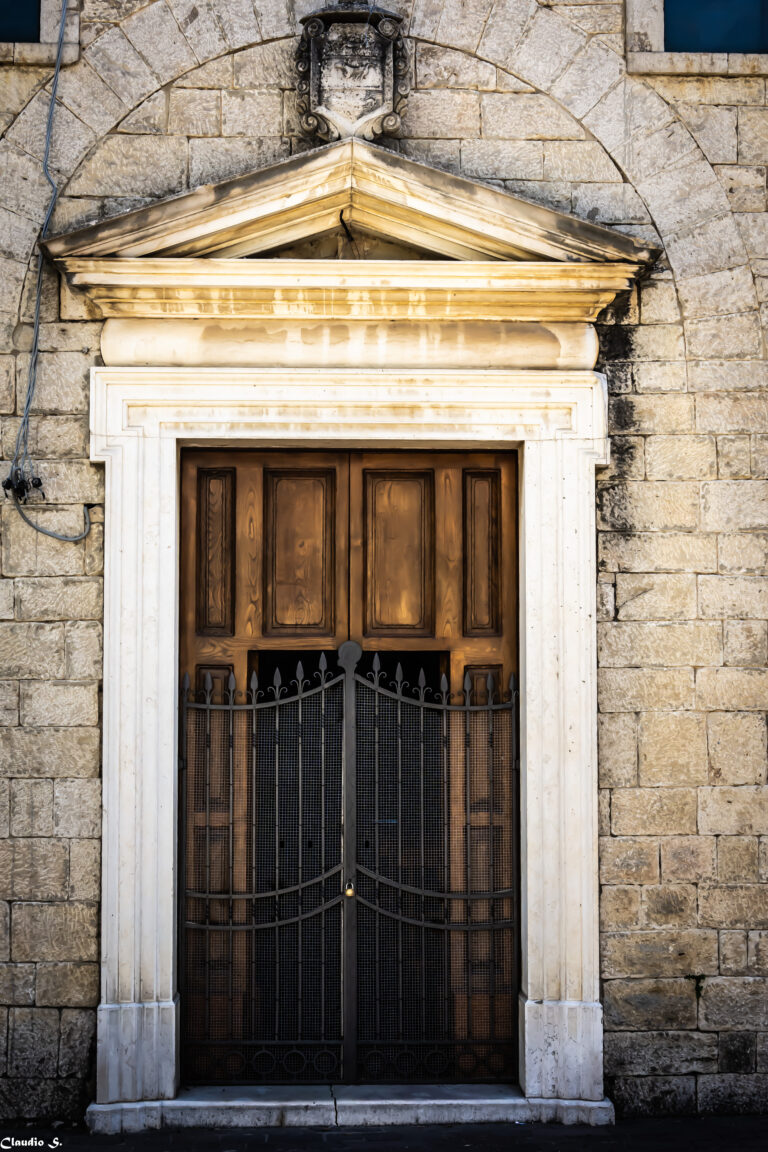 RipacandidaProvince of Potenza3 places to see
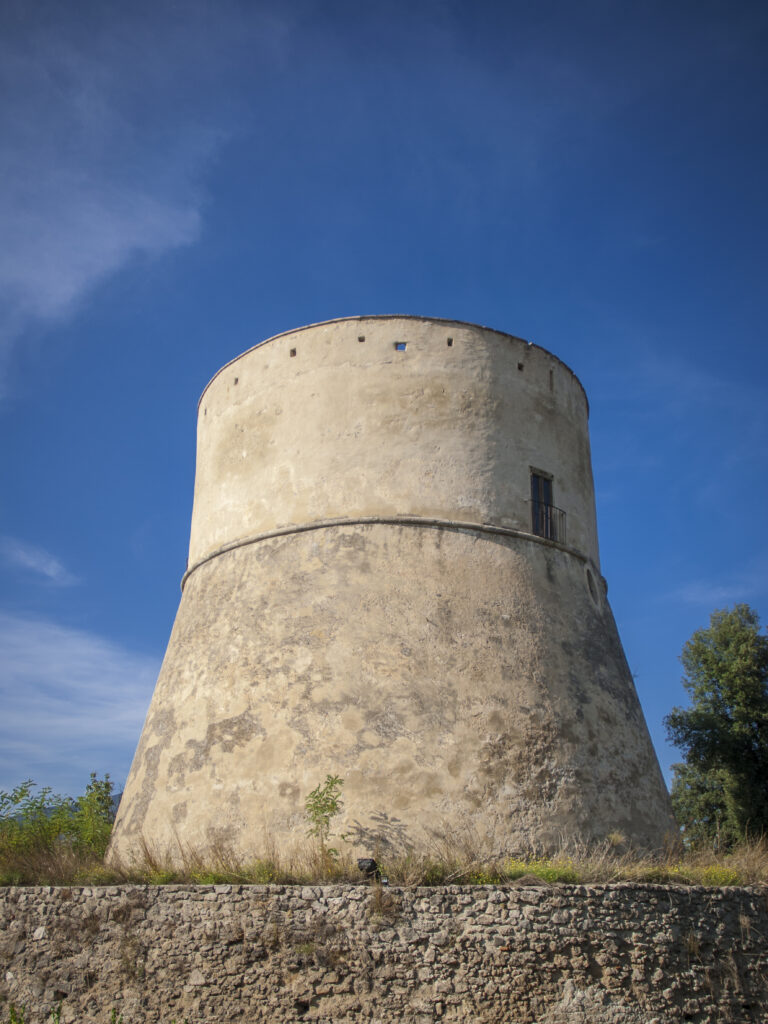 AtellaProvince of Potenza6 places to see
 LavelloProvince of Potenza4 places to see
 VenosaProvince of Potenza18 places to see
 MaschitoProvince of Potenza2 places to see
 Ruvo del MonteProvince of Potenza3 places to see