Province of Matera
Pisticci
The Dirupo quarter and a territory reaching the sea
Discover Pisticci
Pisticci, with about 16,500 inhabitants, is one of the largest towns in the province of Matera. It spreads over three hills between the Basento and Cavone rivers and looks out towards the sea, which is why it is called the «balcony over the Ionian». Its territory is huge and reaches the coast, with the hamlets of Marconia, Pisticci Scalo, Tinchi and Marina di Pisticci.
Three thousand years of history
The area was already inhabited by the Oenotrians: at Incoronata a 9th-century BC village was discovered, later frequented by the Greeks of Metaponto. This is where the Pisticci Painter worked, one of the first red-figure potters of Magna Graecia. Around the year 1000 a Norman fief was created, later held by the Sanseverino, Spinelli, Acquara and De Cardenas families. On the night of 9 February 1688 a huge landslide destroyed the Casalnuovo and Purgatorio quarters, killing about 400 people: the Dirupo quarter was rebuilt on the hill, with its rows of white terraced houses, today the town’s signature image. Under Fascism an internment camp for anti-fascists and Jewish refugees was set up on the plain, which later became Marconia.
What to see
• Dirupo quarter: white houses stepped up the hillside, one of the most photographed views in Basilicata.
• Mother Church of Saints Peter and Paul: completed in 1542, with the 1212 bell tower of the earlier church.
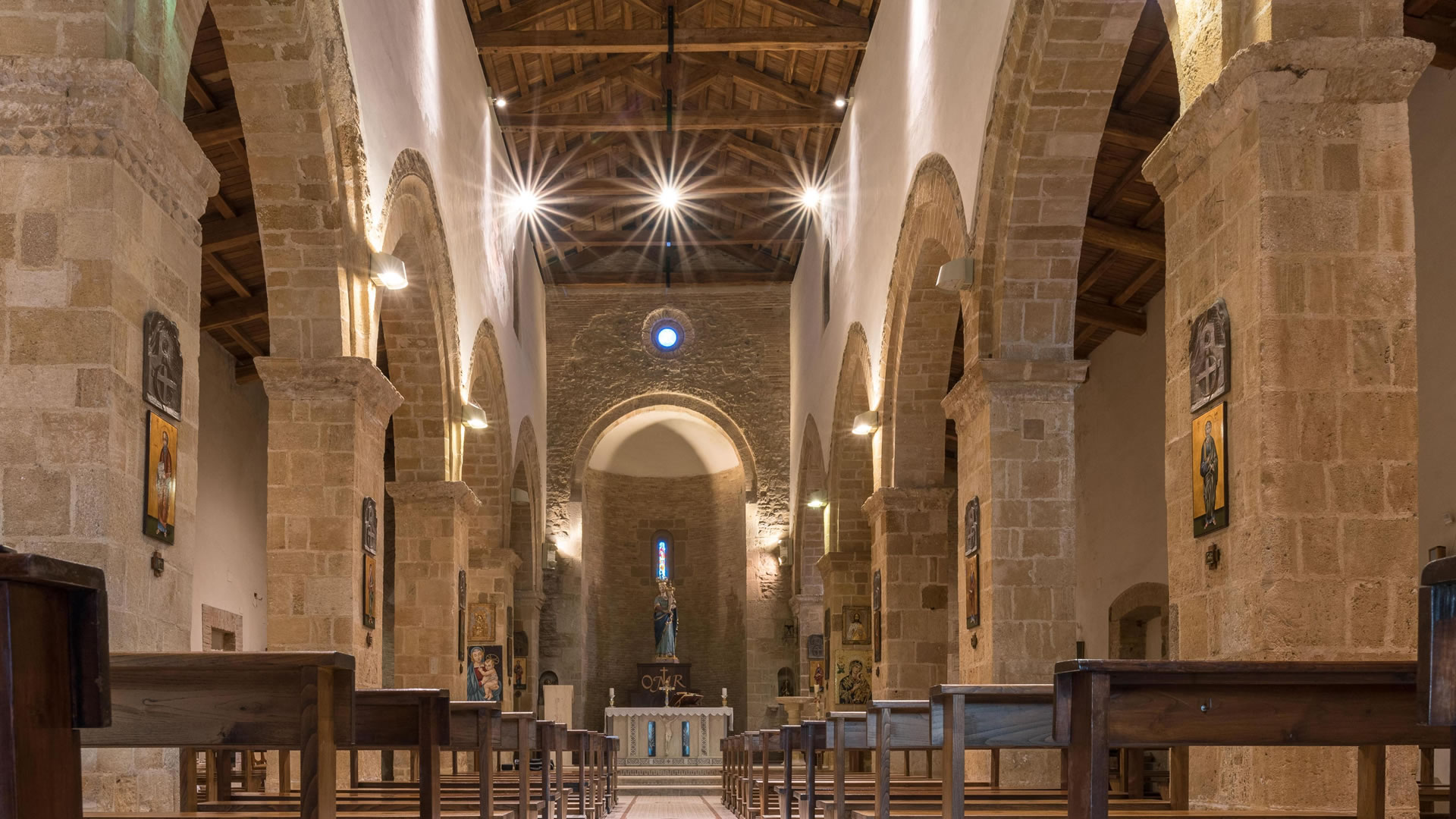
• Abbey of Santa Maria del Casale: built around 1087 on a Byzantine monastery, with a 12th-century statue of the Virgin.
• Palazzi in the centre, such as the Renaissance Palazzo De Franchi and Palazzo Giannantonio, and the remains of the Norman castle.
• Castello di San Basilio: a fortified farmhouse in the countryside, linked to the Basilian monks.
• Marina di Pisticci: sandy beaches on the Ionian Sea and the Basento river mouth nature reserve.
Festivals and flavours
On 17 January bonfires are lit for Saint Anthony the Abbot; on the last Sunday of April the Madonna del Casale is celebrated; at the end of July the Taccariata historical parade recalls the Turkish raids; from 15 to 18 August the patron saint feasts of San Rocco take place, with the triumphal cart. Pisticci is the home of Amaro Lucano, created by Pasquale Vena in 1894, and of a rich cuisine of home-made pasta, coriander sausage, durum wheat bread and Christmas sweets such as pettole and cartellate.
Pisticci is part of the Metapontino e Costa Jonica tourist area.
On the map
- Things to see
Things to see in Pisticci
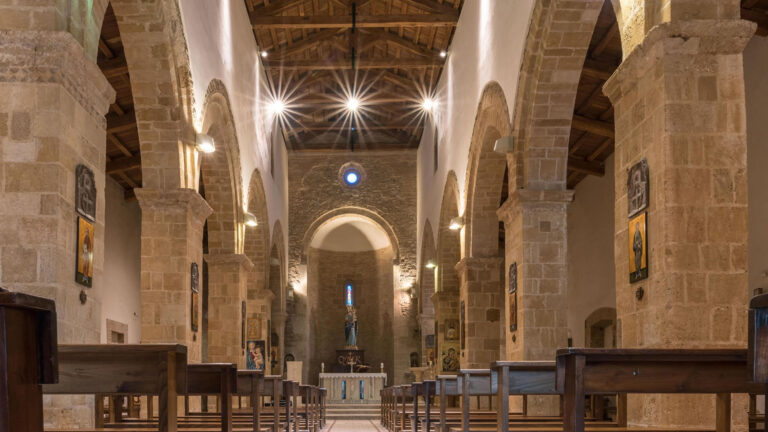 Abbey of Santa Maria del Casale, PisticciChurches and sanctuariesFree.
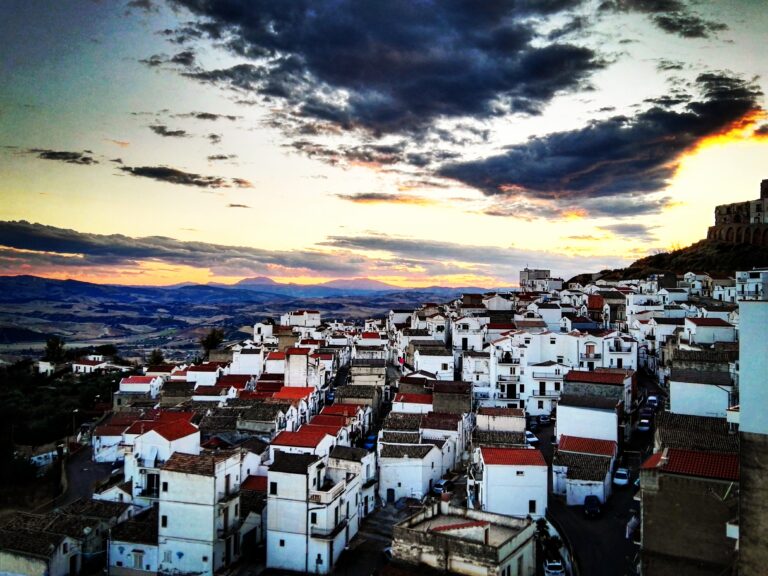 Dirupo Neighbourhood, PisticciVillages and old townsFree.
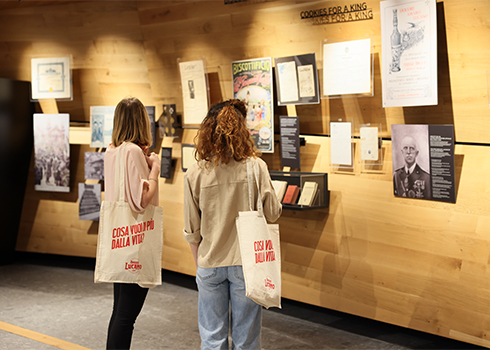 Essenza Lucano Museum (Amaro Lucano)MuseumsTours and tastings at varying prices: check essenzalucano.it.
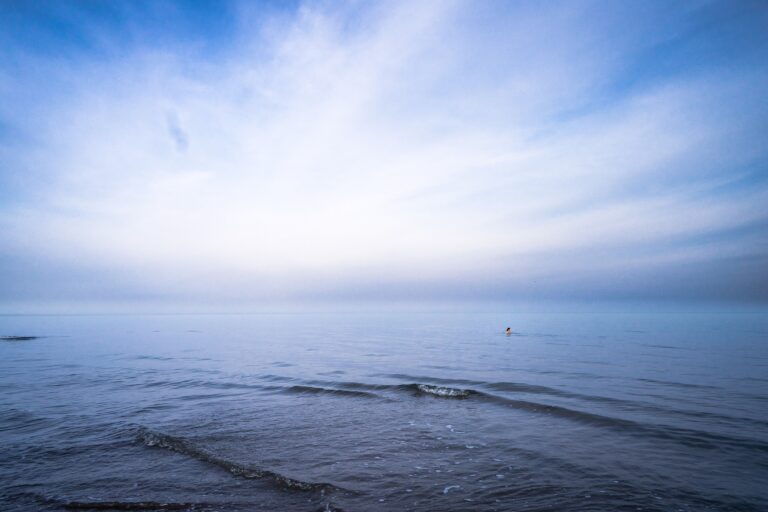 Marina di Pisticci BeachBeachesFree entry.
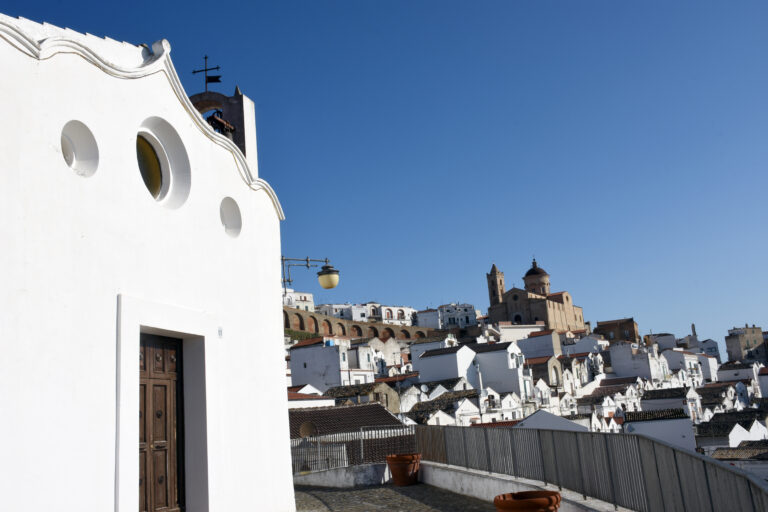 Mother Church of Saints Peter and Paul in PisticciChurches and sanctuariesFree.
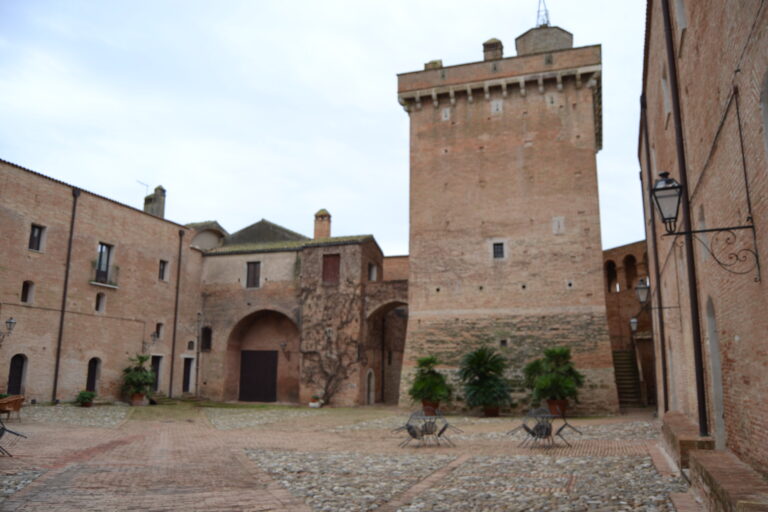 San Basilio Castle, PisticciCastles and fortressesTo be confirmed with the owners.
More towns to discover
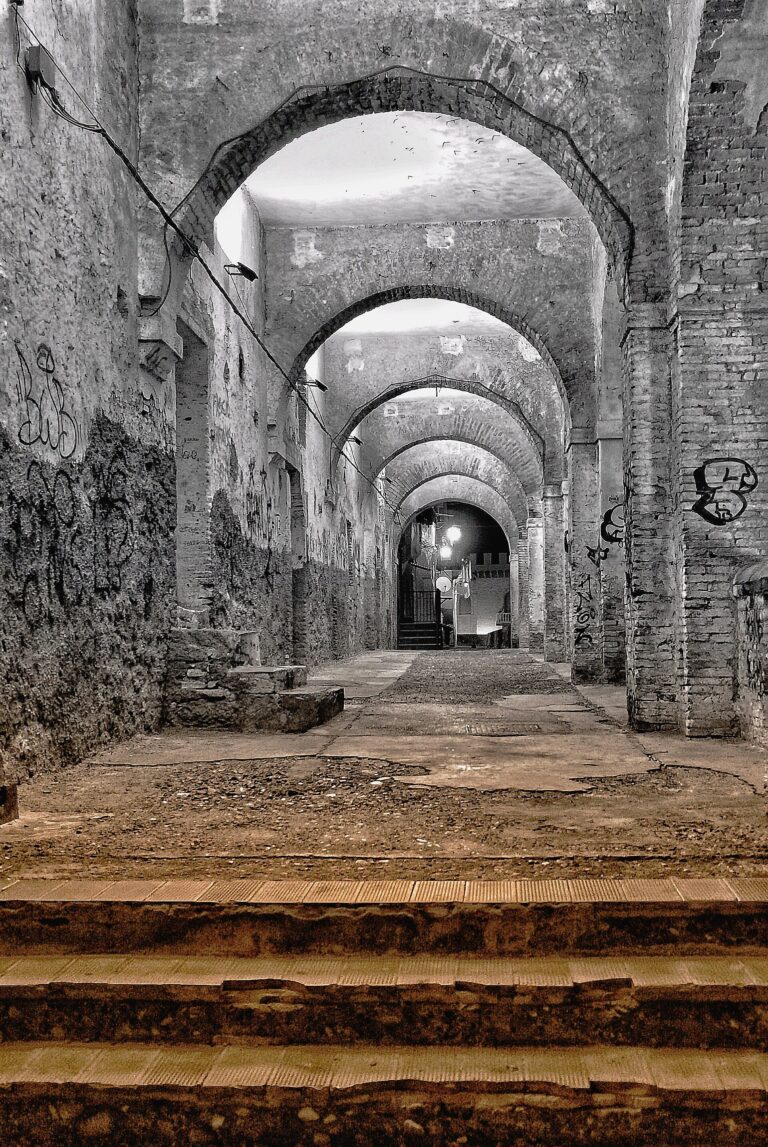 Montalbano JonicoProvince of Matera5 places to see
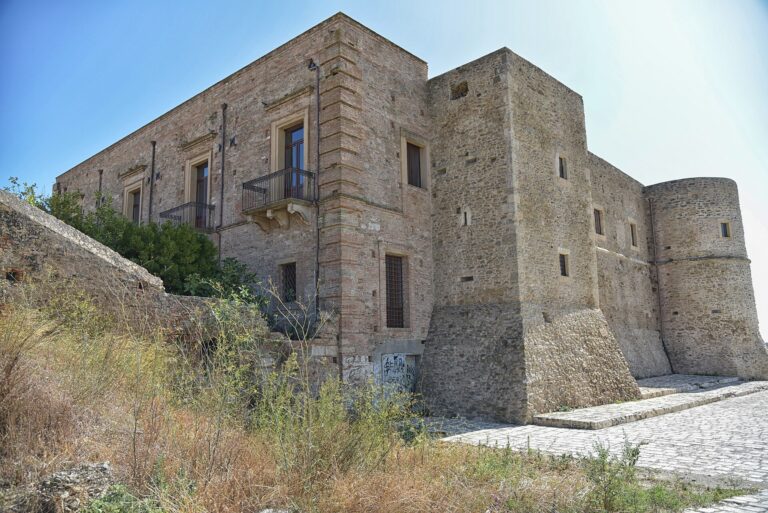 BernaldaProvince of Matera6 places to see
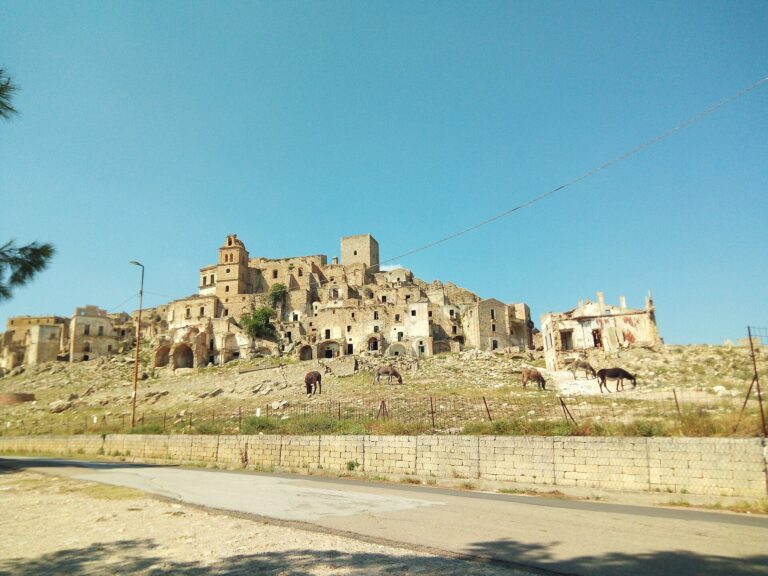 CracoProvince of Matera4 places to see
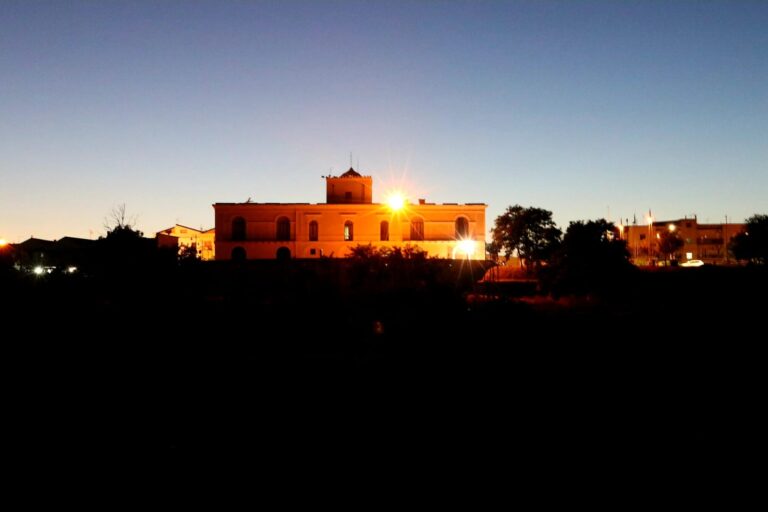 Scanzano JonicoProvince of Matera3 places to see
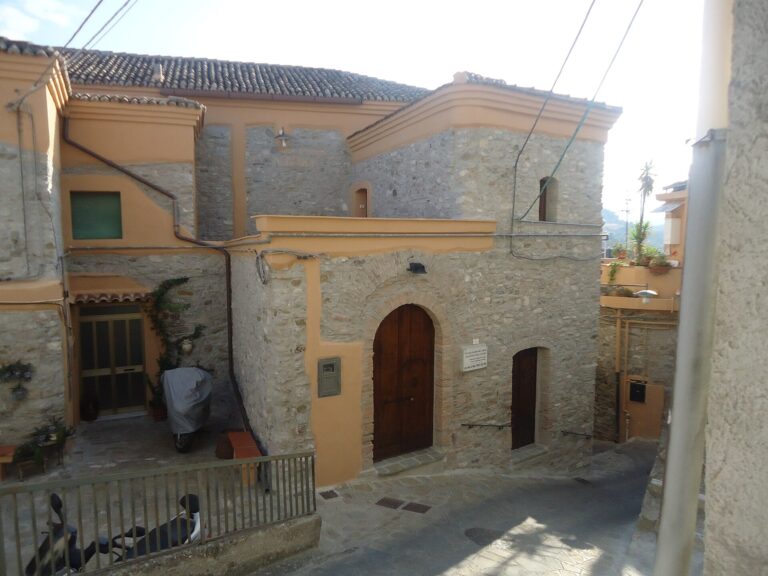 TursiProvince of Matera4 places to see
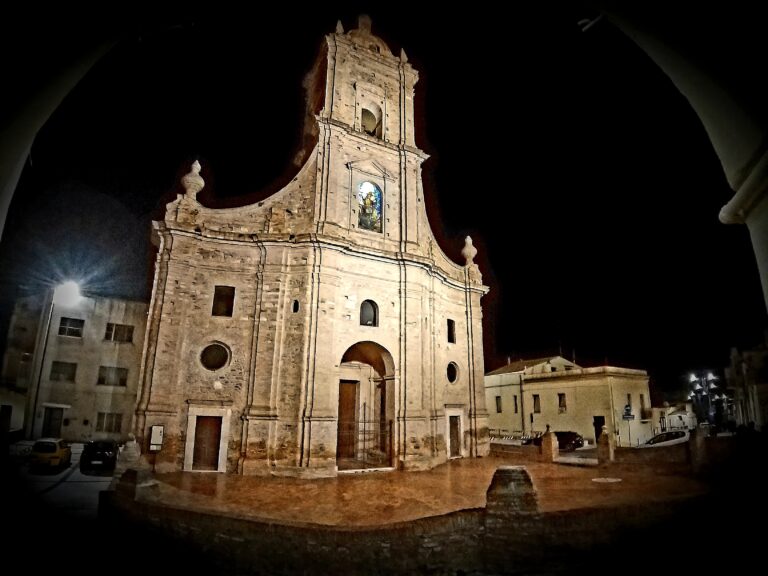 PomaricoProvince of Matera5 places to see
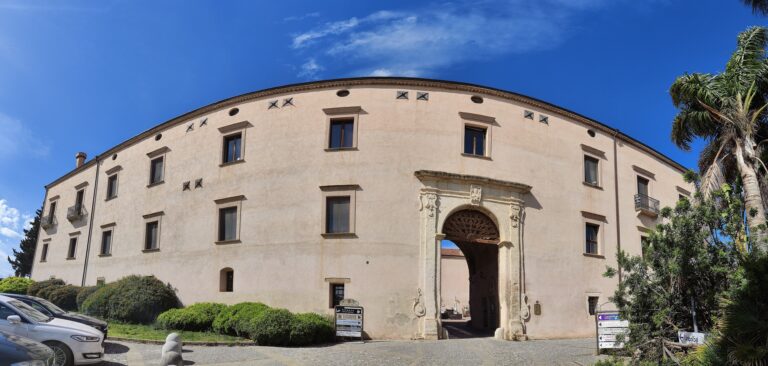 PolicoroProvince of Matera14 places to see
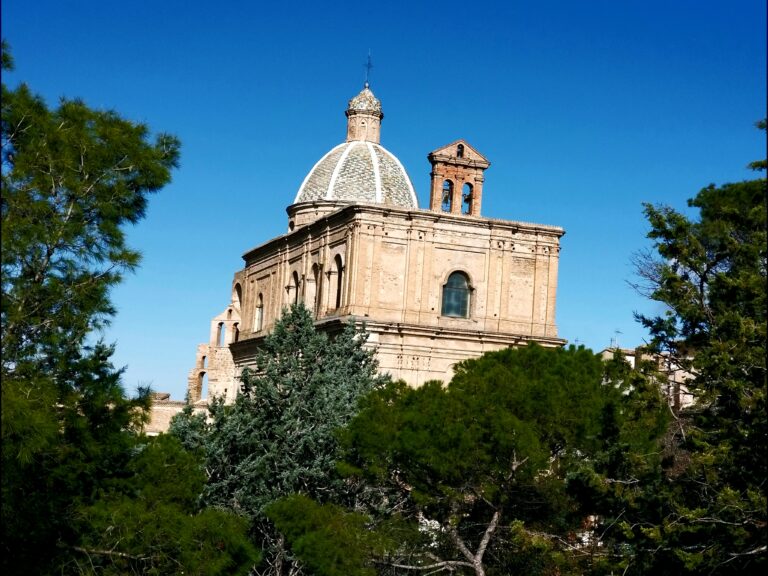 FerrandinaProvince of Matera4 places to see
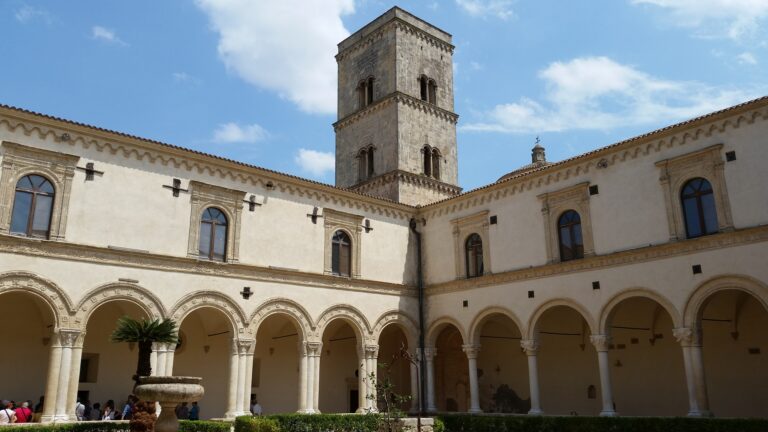 MontescagliosoProvince of Matera5 places to see
 RotondellaProvince of Matera6 places to see