Province of Matera
Policoro
Sea, Magna Graecia and the Pantano wood
Foto: Marycarliter, CC BY-SA 4.0, via Wikimedia Commons
Discover Policoro
Policoro is the largest town in the Metapontino and the heart of Basilicata’s Ionian coast, with about 18,000 inhabitants and many more in summer. It lies on the plain between the Agri and Sinni rivers, a few kilometres from the sea, among orchards, citrus groves and the strawberry fields that have made this land famous. It is a young town, an independent municipality only since 1959, but its territory is one of the oldest and richest in history in Basilicata.
From Magna Graecia to the barons’ estate
Two important Greek cities stood here. First Siris, founded in the 7th century BC by settlers from Ionia at the mouth of the Sinni and famous for its fertile land. Then, in 433–432 BC, settlers from Taranto and Thurii founded Herakleia on the hill of Policoro: the city became the seat of the Italiote League and gave its name to the famous battle of 280 BC, in which Pyrrhus, king of Epirus, defeated the Romans at great cost. The Tables of Heraclea, bronze tablets with inscriptions in Greek and Latin now in the National Archaeological Museum of Naples, come from Herakleia.
In Roman times the town shrank to a small hilltop village, and for centuries the plain remained almost uninhabited, covered in woods and marshes. In the Middle Ages the Policoro estate grew up around the baronial castle: a large hunting estate of noble families, down to the Berlingieri barons.
Land reform and the new town
The turning point came in the 1950s with land reclamation and the agrarian reform: over 5,600 hectares were expropriated from the Berlingieri, divided into small farms of 5-6 hectares and given to families from all over Basilicata. This is how today’s Policoro was born, with its white houses and wide arches; in 1959 it separated from Montalbano Jonico and became an independent municipality.
What to see
• Siritide National Archaeological Museum: finds from Siris, Herakleia and the inland peoples, from some of the oldest pottery of Magna Graecia to the gold jewellery of Herakleia’s goldsmiths.
• Herakleia archaeological park: the remains of the Greek and Roman city, with its quarters and the sanctuary of Demeter.
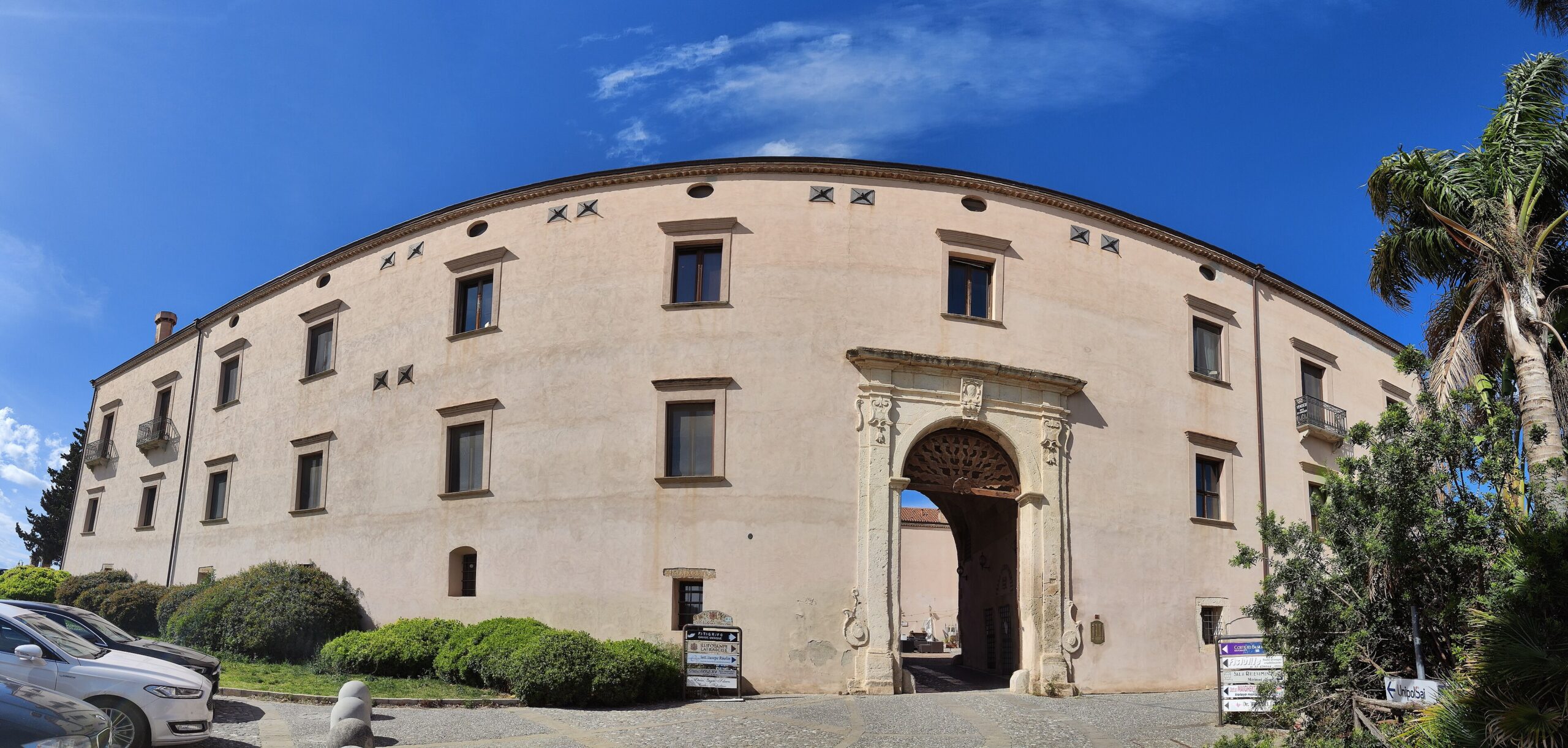
• Baronial castle: the historic core from which the town grew, overlooking the plain, with the Madonna del Ponte chapel.
• Piazza Eraclea and the Mother Church, dedicated to the Madonna del Ponte, with the statue of Heracles and the lion, the town’s symbol, and the land reform settlement.
• The modern churches: Good Shepherd, Holy Physicians Cosmas and Damian and the Padre Minozzi centre.
• The Guido Vicino municipal park, the town’s oldest public park.
• Bosco Pantano WWF Oasis and the Bosco Pantano nature reserve and Sinni river mouth: over 500 hectares of lowland forest, one of the last on the Ionian coast. Loggerhead sea turtles (Caretta caretta) nest on the nearby beaches.
• The Lido di Policoro beach, with fine sand and dunes.
Sea and flavours
Policoro has about 10 kilometres of fine sandy beach, with dunes, pine woods and shallow water ideal for families; along the seafront there are beach clubs, fish restaurants and summer venues. The plain is Basilicata’s vegetable garden and orchard: strawberries, citrus fruit, apricots, peaches, kiwis and vegetables, to enjoy alongside Ionian fish and traditional Lucanian dishes.
Policoro is part of the Metapontino e Costa Jonica tourist area.
On the map
- Things to see
Things to see in Policoro
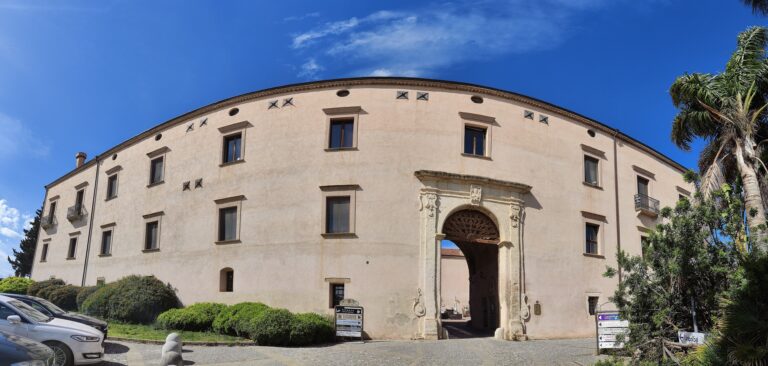 Baronial Castle of PolicoroCastles and fortressesExterior free. For special openings, the organiser's terms apply.
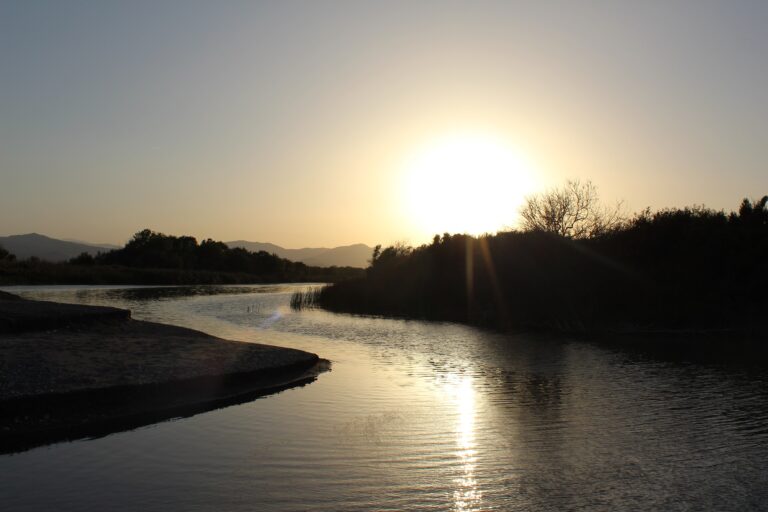 Bosco Pantano Nature Reserve and Sinni River MouthParks and nature reservesFree entry.
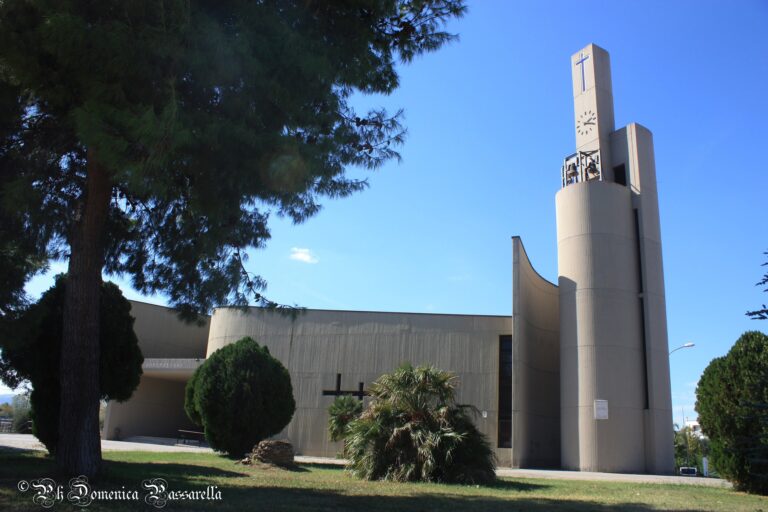 Church of the Good ShepherdChurches and sanctuariesFree entry.
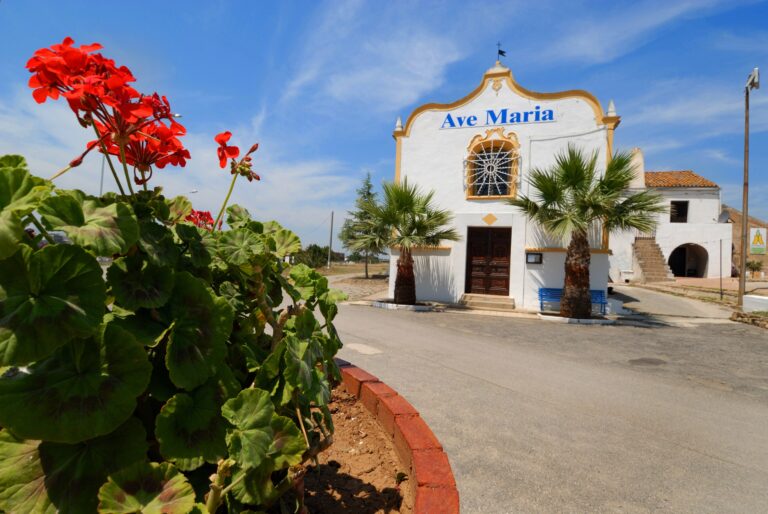 Church of the Holy Physicians Cosmas and DamianChurches and sanctuariesFree entry.
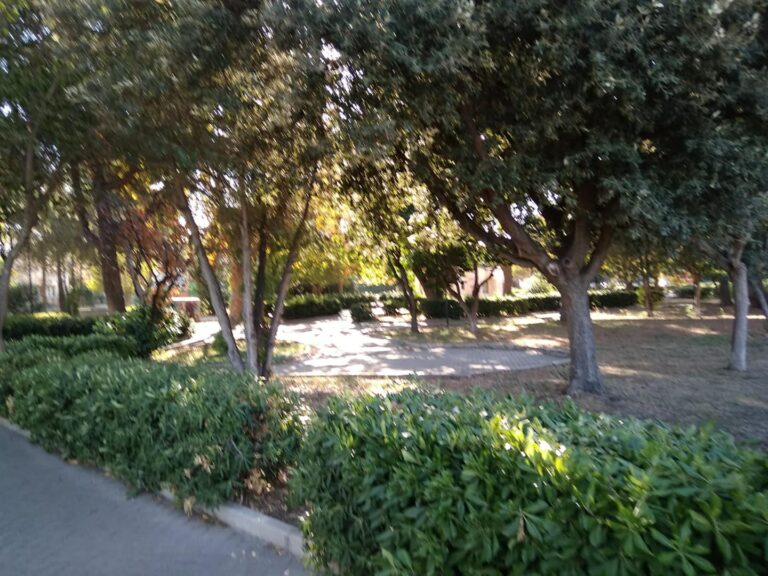 Guido Vicino Municipal ParkParks and nature reservesFree entry.
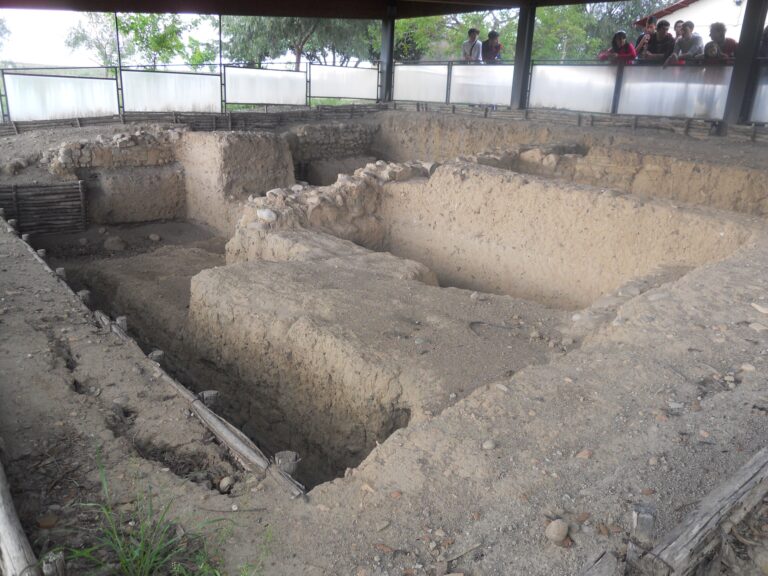 Herakleia Archaeological ParkArchaeological sitesFull €3, reduced €2. Combined ticket with the Siritide Museum €6.
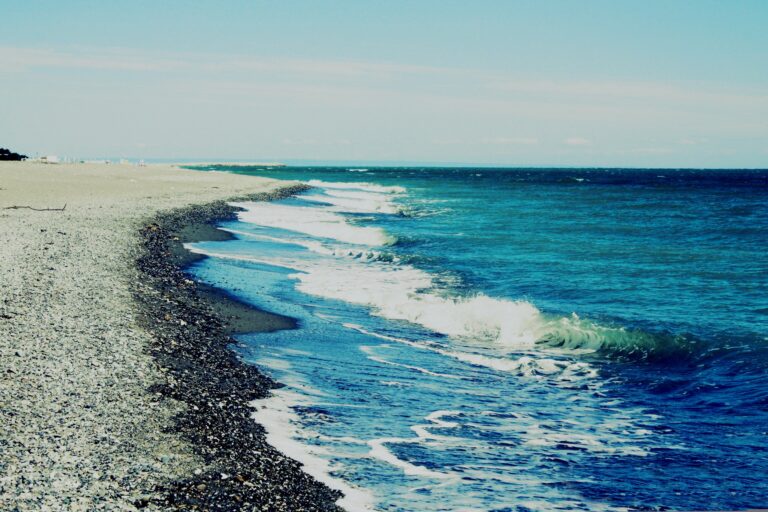 Lido di Policoro BeachBeachesFree entry.
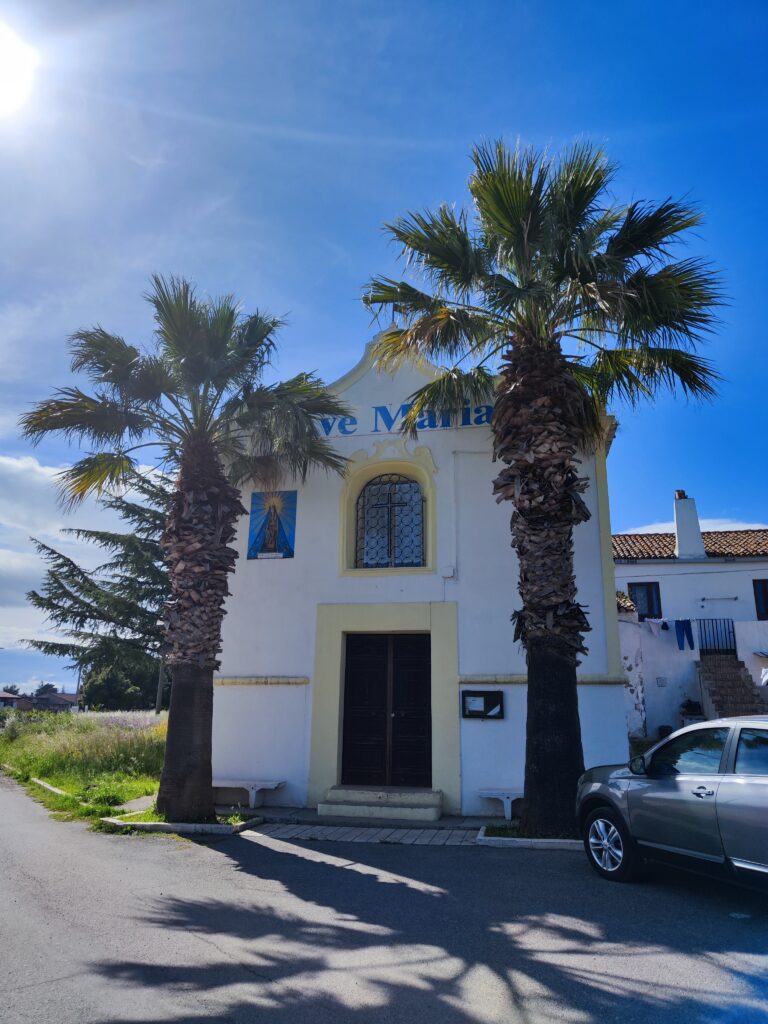 Madonna del Ponte ChapelChurches and sanctuariesFree entry.
- Padre Minozzi Youth CentreChurches and sanctuariesFree entry.
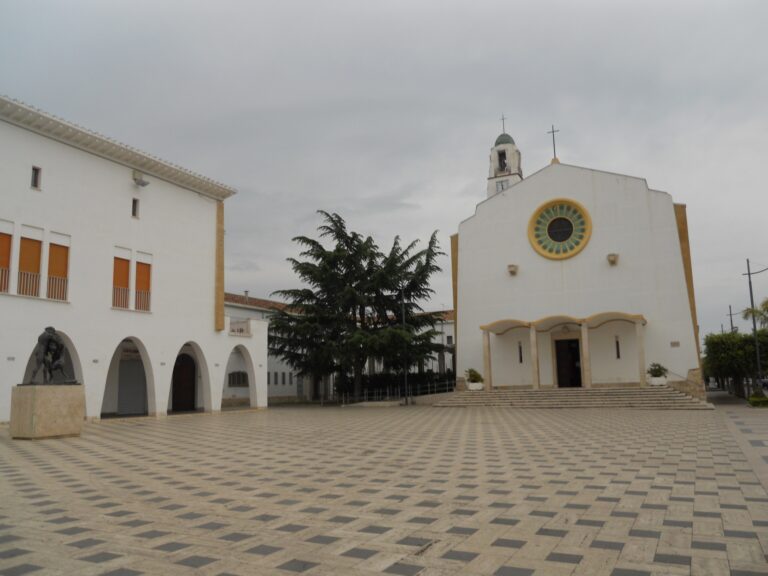 Piazza Eraclea and the Mother ChurchChurches and sanctuaries, Monuments and historic buildingsFree entry.
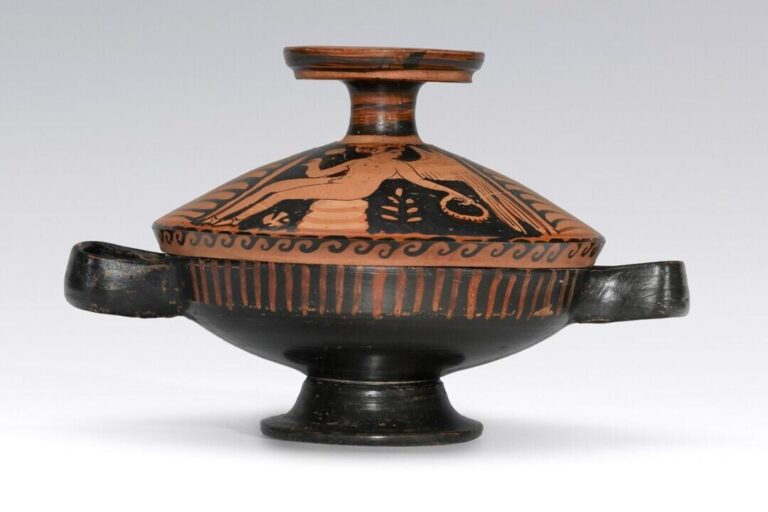 Siritide Archaeological MuseumMuseumsMuseum: full €5, reduced €2. Archaeological park: €3. Combined museum and park ticket: €6.
- Statue of Heracles and the Nemean LionMonuments and historic buildingsFree entry.
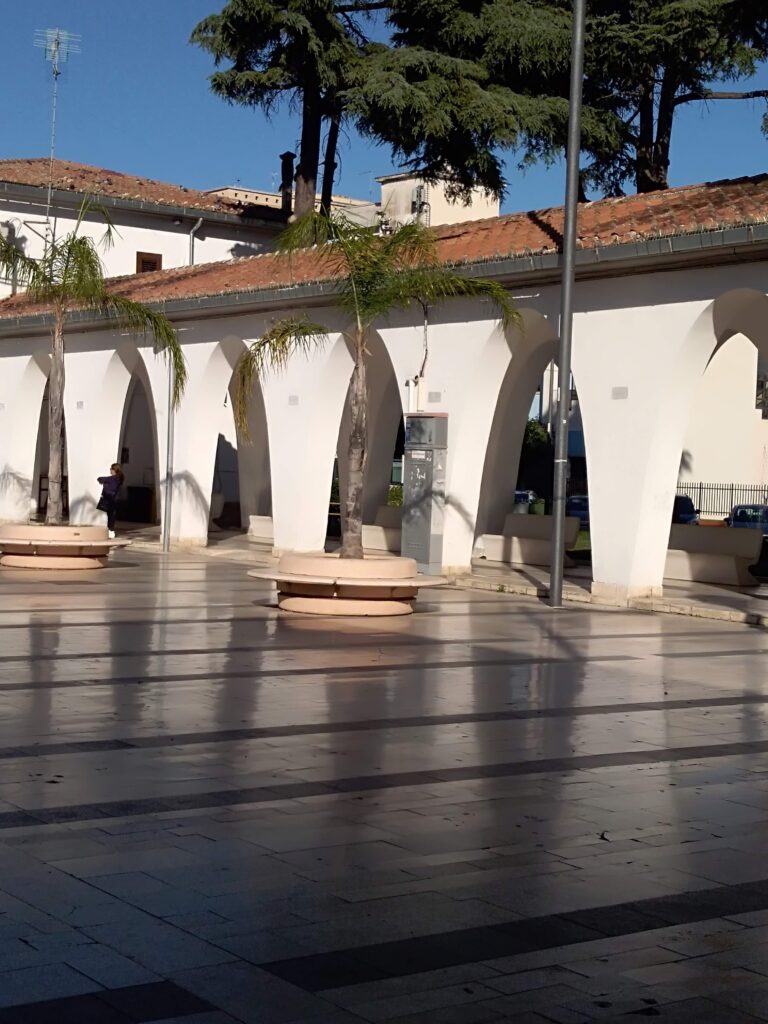 The Land Reform SettlementVillages and old townsFree entry.
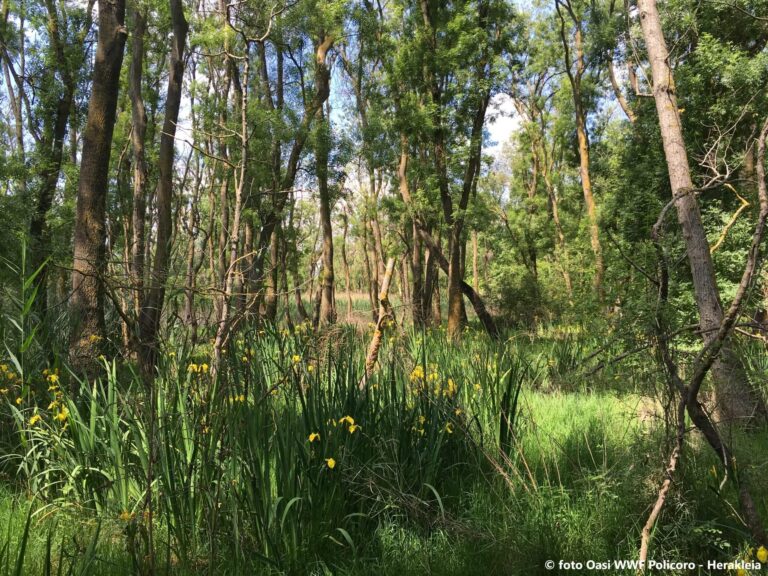 WWF Oasis Bosco PantanoAttractions and theme parksAdmission charged.
More towns to discover
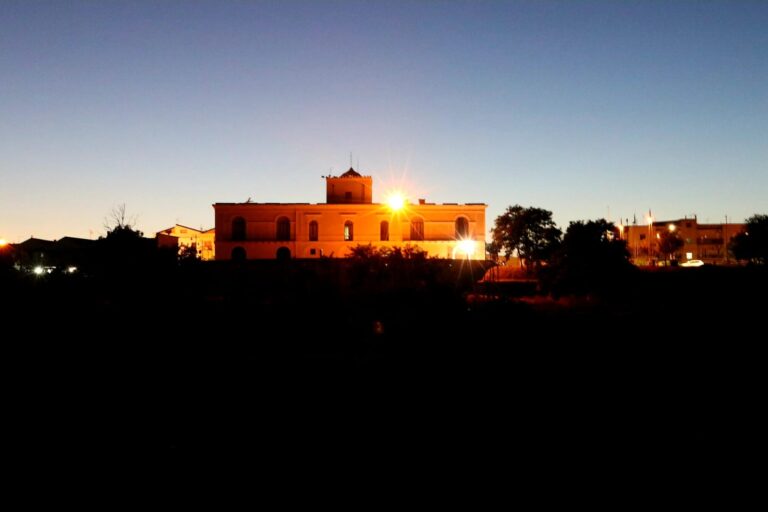 Scanzano JonicoProvince of Matera3 places to see
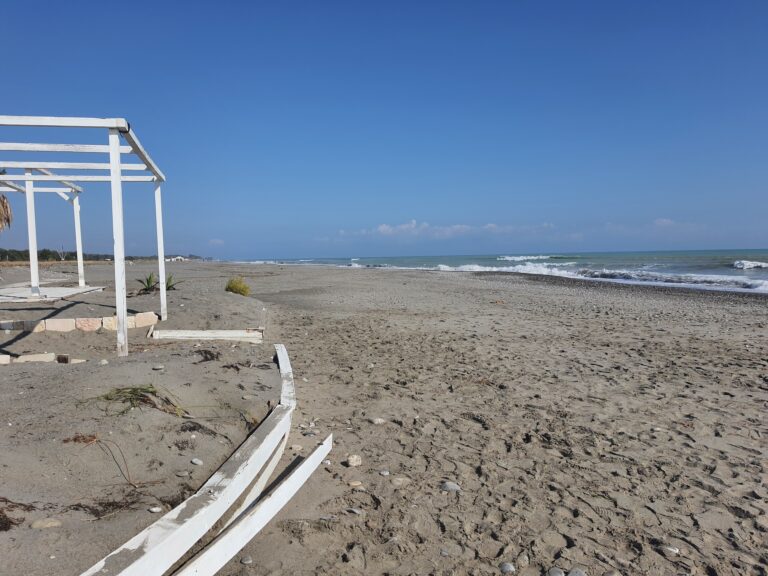 Nova SiriProvince of Matera4 places to see
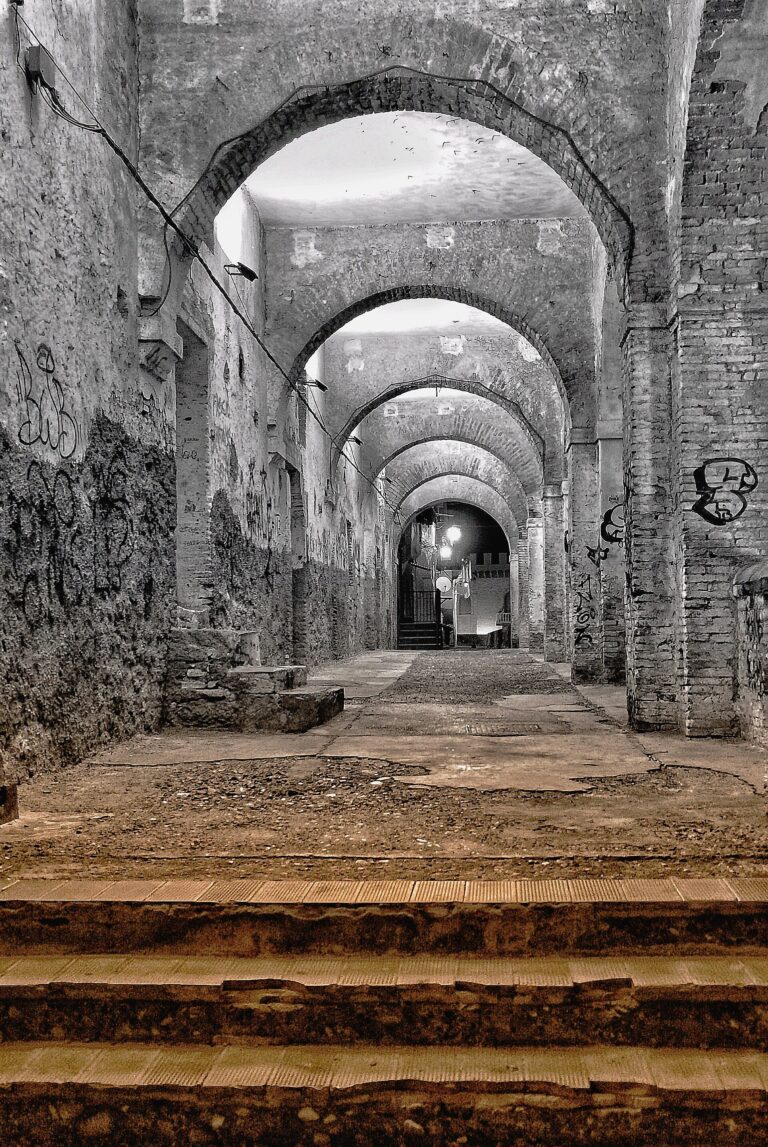 Montalbano JonicoProvince of Matera5 places to see
 RotondellaProvince of Matera6 places to see
 TursiProvince of Matera4 places to see
 PisticciProvince of Matera6 places to see
 ValsinniProvince of Matera4 places to see
 BernaldaProvince of Matera6 places to see
 ColobraroProvince of Matera3 places to see · 1 producer
 CracoProvince of Matera4 places to see