Province of Potenza
Potenza
Basilicata's capital among the Apennines
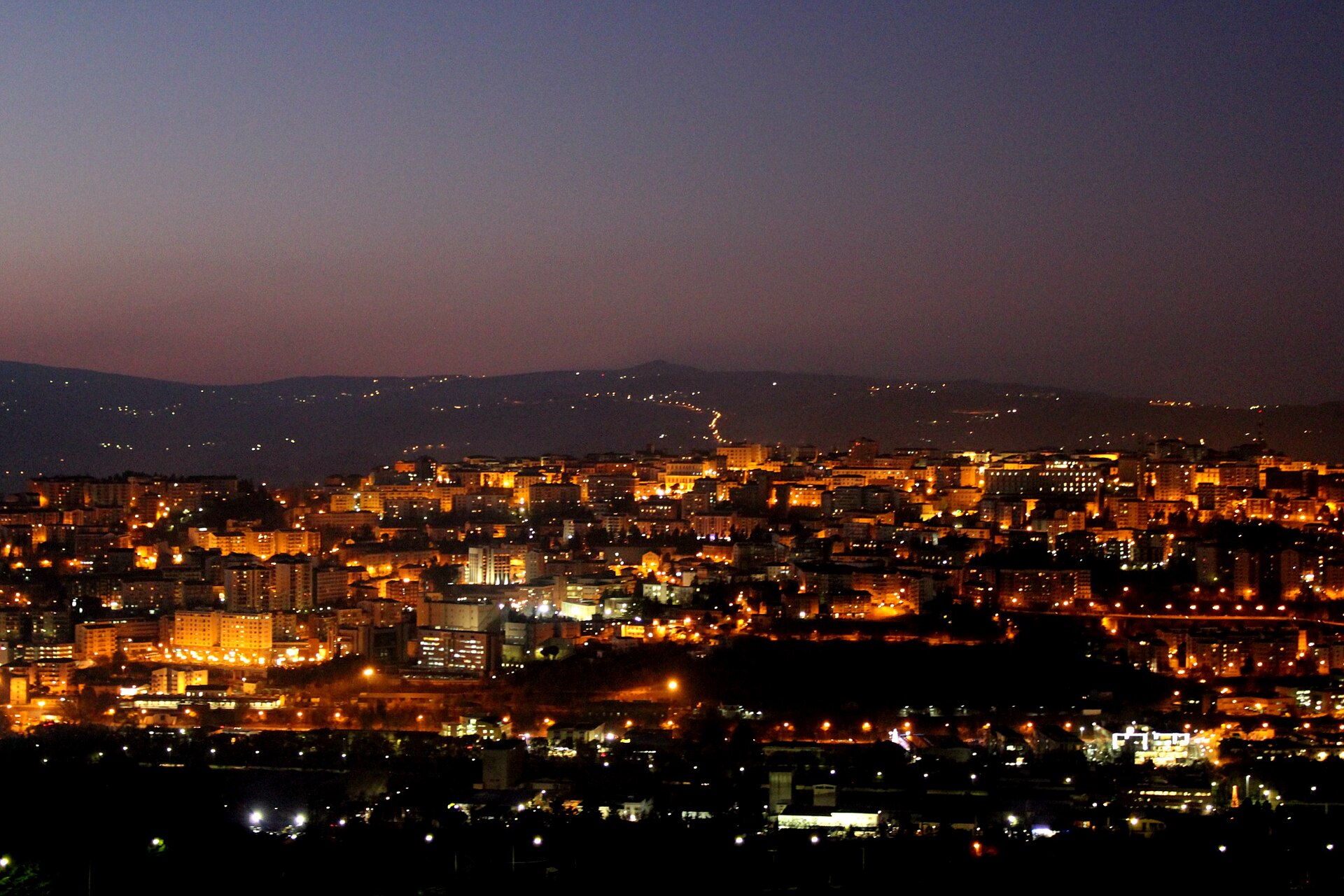
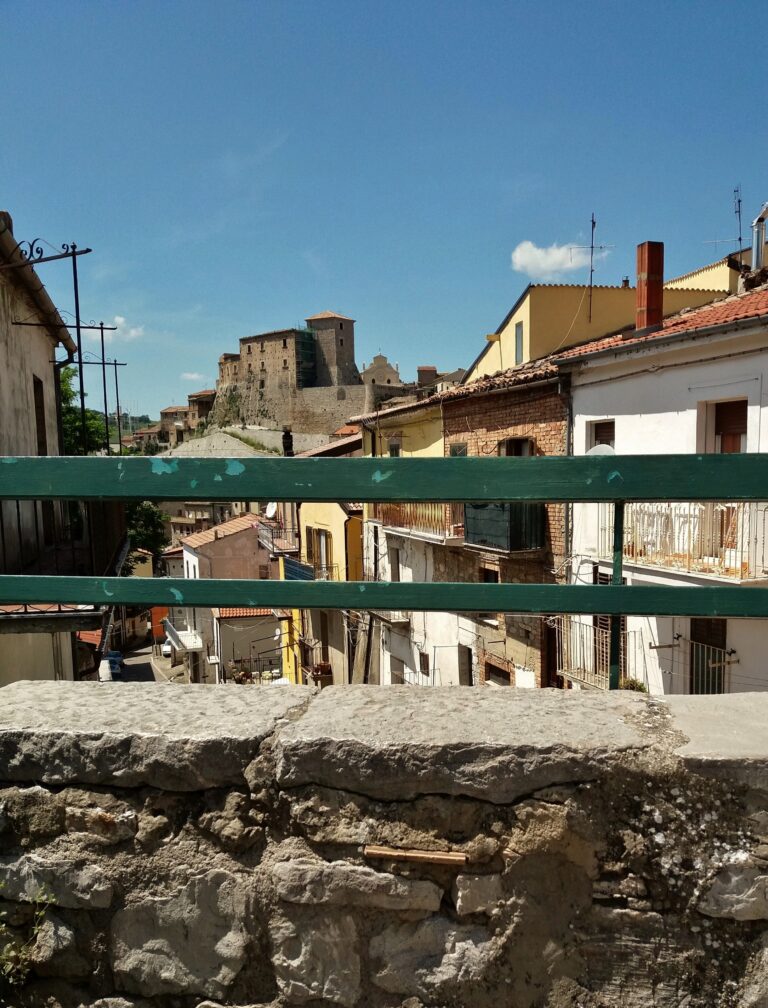
Foto: Antonio Petrullo – CC BY-SA 3.0, Wikimedia Commons
Discover Potenza
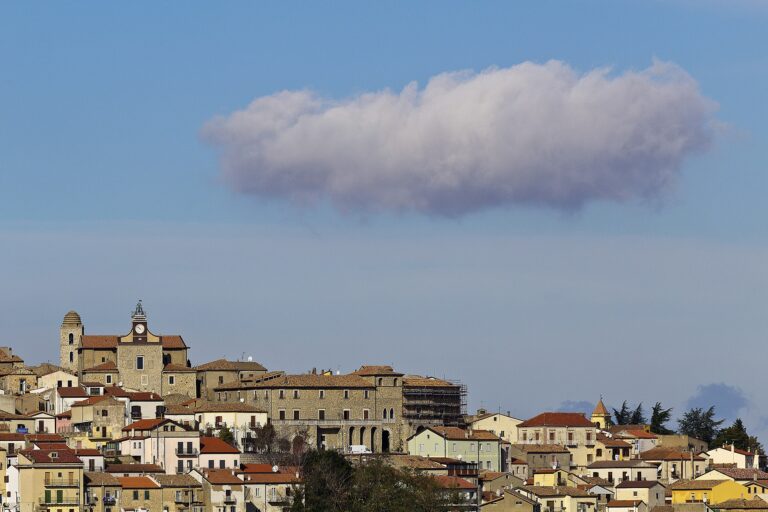
Potenza is the capital of Basilicata, with about 63,000 inhabitants, and at 819 metres it is the highest regional capital in Italy. It stretches along a ridge in the upper Basento valley, with the old town on the highest point and the modern districts sloping down to the river: that is why it is called the «vertical city» or the «city of a hundred stairs», linked by escalators among the longest in Europe.
History
The name comes from the Roman colony of Potentia, «the powerful». The medieval town grew up around the cathedral and the Lombard castle, of which the Torre Guevara remains. In 1806 Potenza replaced Matera as capital of Basilicata and was transformed with new squares, the theatre and public buildings. On 18 August 1860 it led the Lucanian insurrection, which earned it the gold medal as a city that served the Risorgimento. Struck by the earthquakes of 1857 and 1980, it was rebuilt and in 2005 received a second gold medal for civil merit. Since 1982 it has been home to the University of Basilicata.
What to see
• Via Pretoria, the main street of the old town, with its palazzi, cafés and the Piazza Mario Pagano and Piazza Matteotti.
• Cathedral of San Gerardo, 13th century, rebuilt at the end of the 18th century in Neoclassical style by a pupil of Vanvitelli.
• Churches: San Michele Arcangelo (recorded in 1178), San Francesco (1274, 14th-century portal), Santa Maria del Sepolcro (Templars, 1191), Santissima Trinità, Santa Lucia, Sant’Antonio la Macchia and the chapel of Blessed Bonaventura.
• Medieval gates of San Giovanni, San Luca and San Gerardo and the Torre Guevara, the remains of the castle.
• Palazzi: Prefettura, Town Hall, Bishop’s Palace, Palazzo Bollettino, the Caserma Lucania and the Tempietto di San Gerardo.
• «Dinu Adamesteanu» National Archaeological Museum, in Palazzo Loffredo, with the treasures of the ancient Lucanian peoples, and the Provincial Archaeological Museum. Among the ancient sites, the Malvaccaro Roman villa and the Gallitello Lucanian farmstead.
• Teatro Francesco Stabile, opened in 1881, the Musmeci bridge, a 1970s engineering masterpiece, and the Roman bridge of San Vito.
• Parks: the Villa Comunale di Santa Maria, founded as an agricultural garden in 1823, the Villa del Prefetto, Montereale Park and the Basento River Park.
Festivals and flavours
On the evening of 29 May the Parade of the Turks takes place, a great historical procession in costume recalling the legendary defence of the city by its patron Saint Gerard; on 30 May the saint’s procession is held. At the table there are strascinati, ferretti, orecchiette, Potenza-style maccheroni and ravioli with ‘ndruppeche ragù, lagane with beans, stuffed pizza with anchovies and raisins, u rucc’l focaccia, Potenza-style salt cod and chicken, and paparotta, a sweet of cooked grape must.
Potenza is part of the Potenza e dintorni tourist area.
On the map
- Things to see
- Local products
Things to see in Potenza
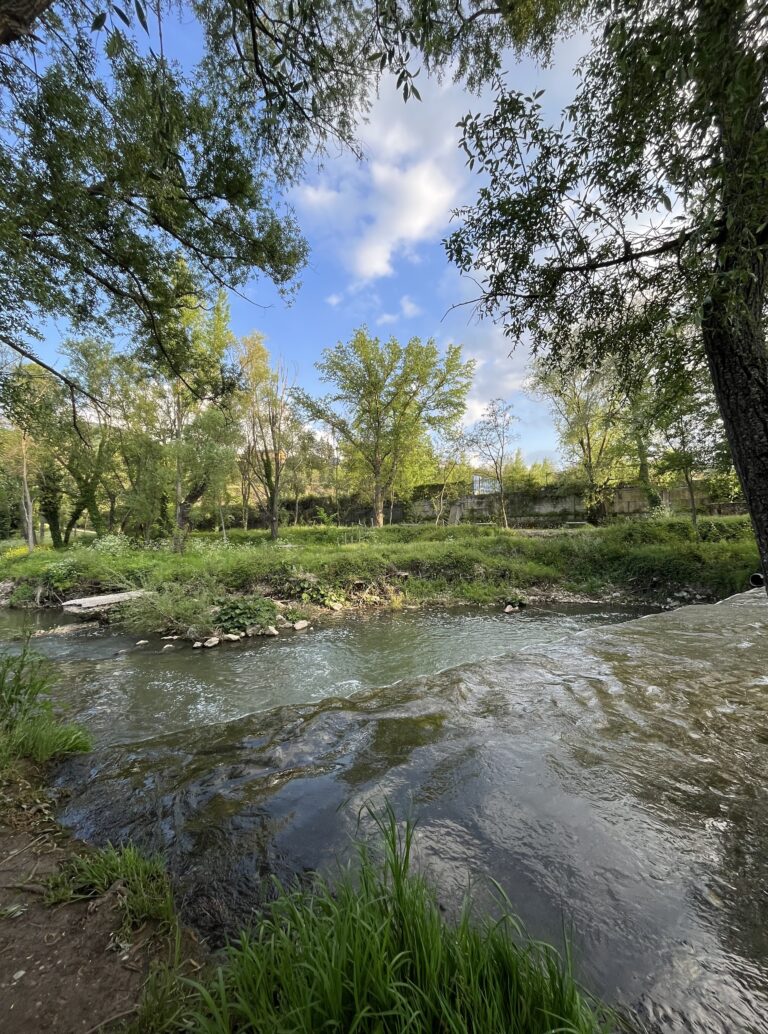 Basento River ParkParks and nature reservesFree entry.
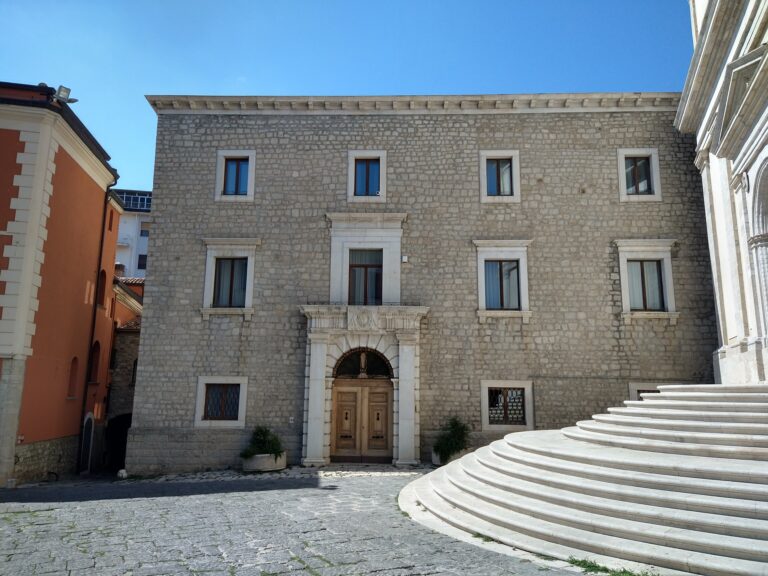 Bishop’s Palace (Palazzo Vescovile)Monuments and historic buildingsCheck on site.
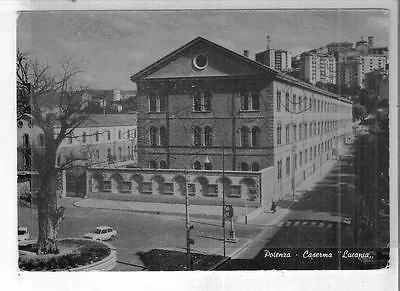 Caserma LucaniaMonuments and historic buildingsCheck on site.
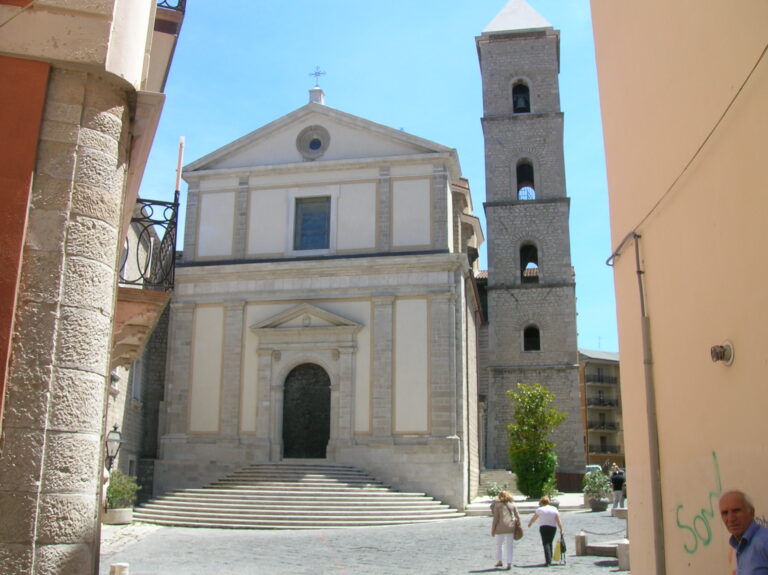 Cathedral of San Gerardo, PotenzaChurches and sanctuariesFree.
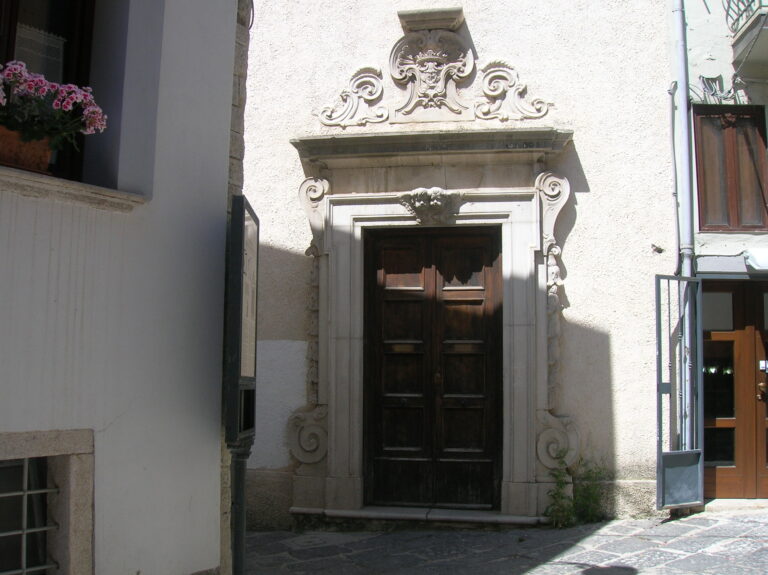 Chapel of Blessed BonaventuraChurches and sanctuariesFree entry.
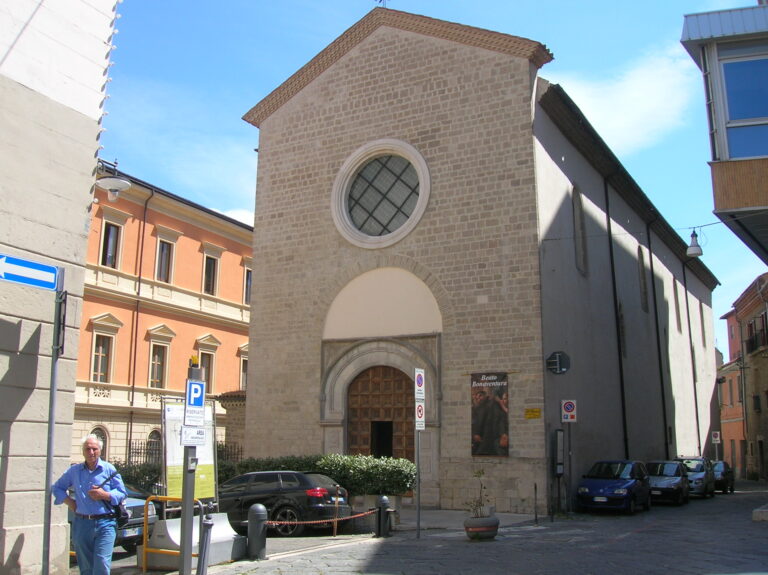 Church of San Francesco, PotenzaChurches and sanctuariesFree.
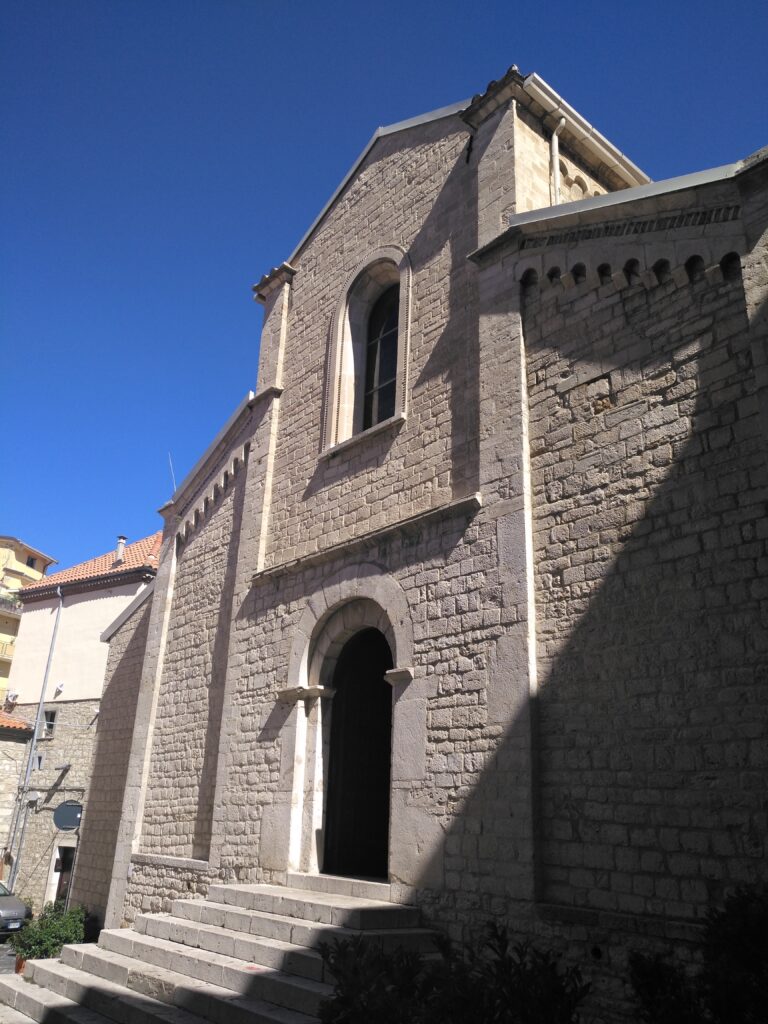 Church of San Michele Arcangelo, PotenzaChurches and sanctuariesFree.
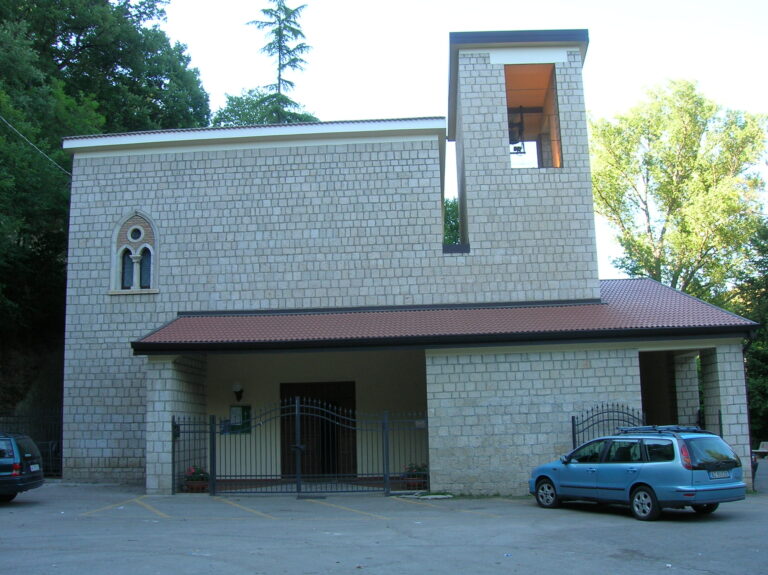 Church of Sant’Antonio la MacchiaChurches and sanctuariesFree entry.
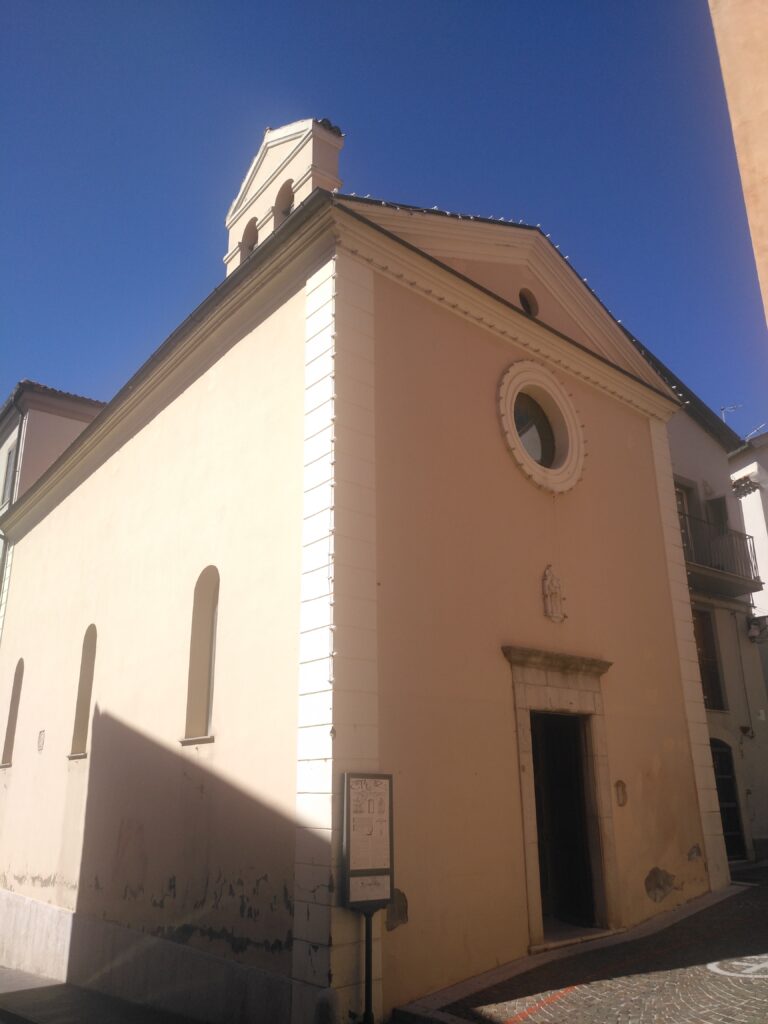 Church of Santa LuciaChurches and sanctuariesFree entry.
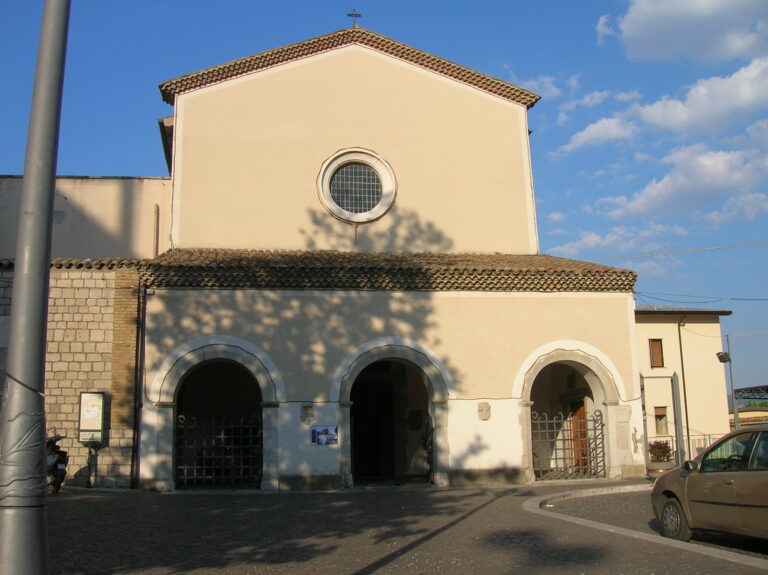 Church of Santa Maria del SepolcroChurches and sanctuariesFree entry.
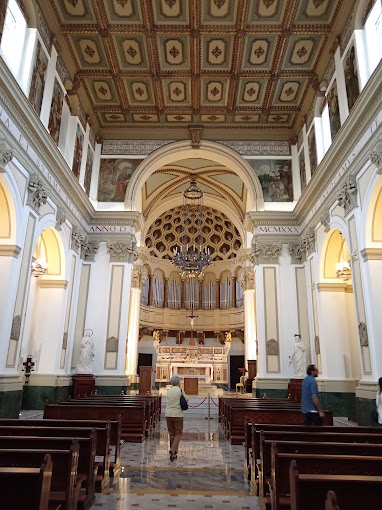 Church of the Santissima TrinitàChurches and sanctuariesFree entry.
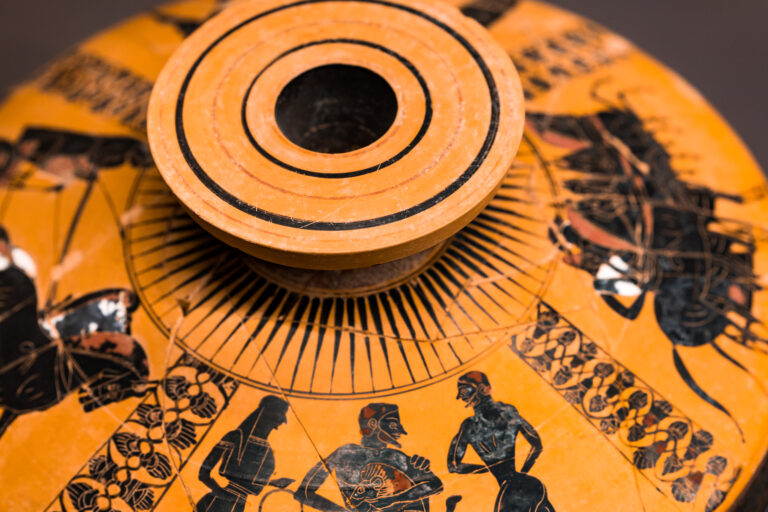 Dinu Adamesteanu National Archaeological MuseumMuseumsFull €5, reduced €2; combined ticket with the archaeological museums of Potenza and Muro Lucano €8.
- Gallitello Lucanian FarmsteadArchaeological sitesCheck on site.
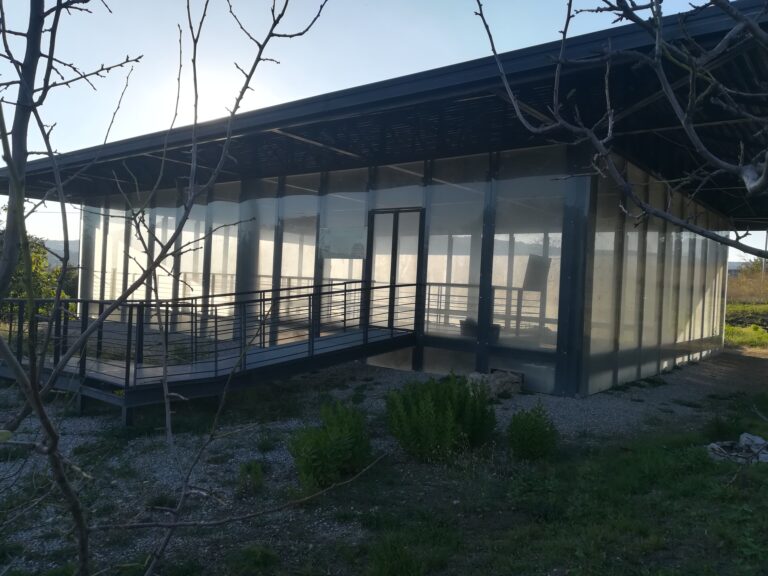 Malvaccaro Roman VillaArchaeological sitesCheck on site.
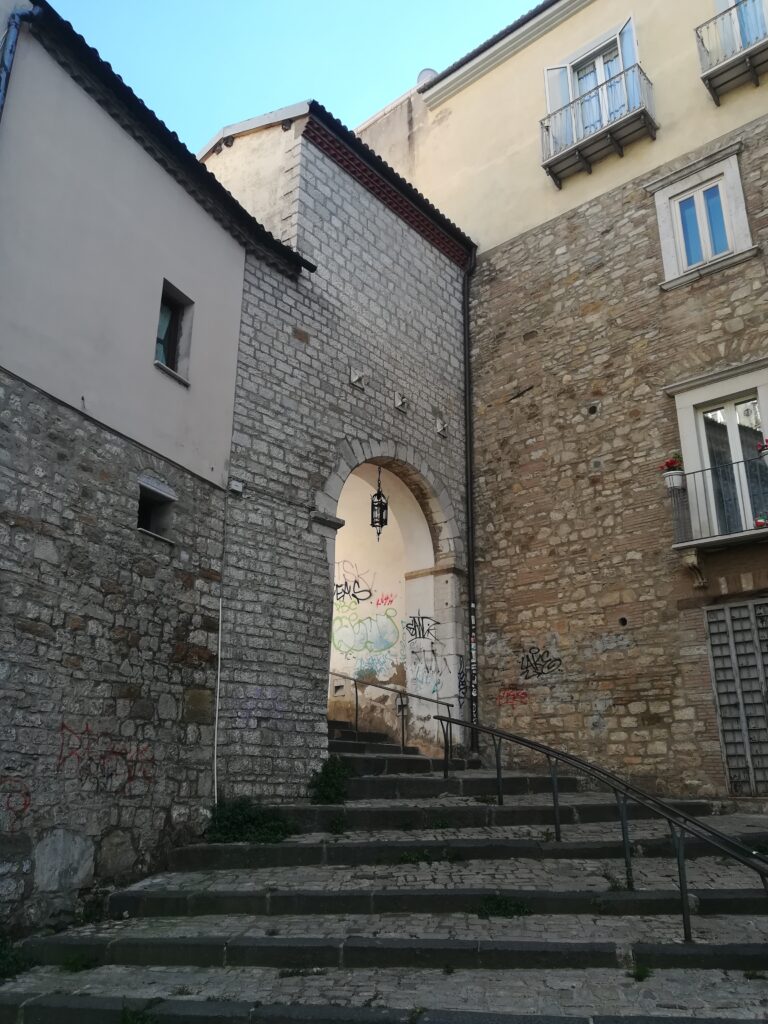 Medieval Gates of PotenzaMonuments and historic buildingsFree.
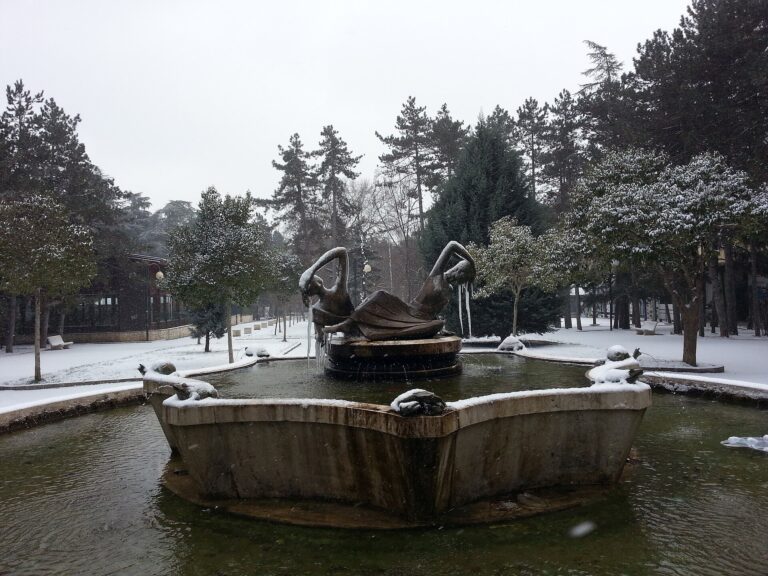 Montereale ParkParks and nature reservesFree entry.
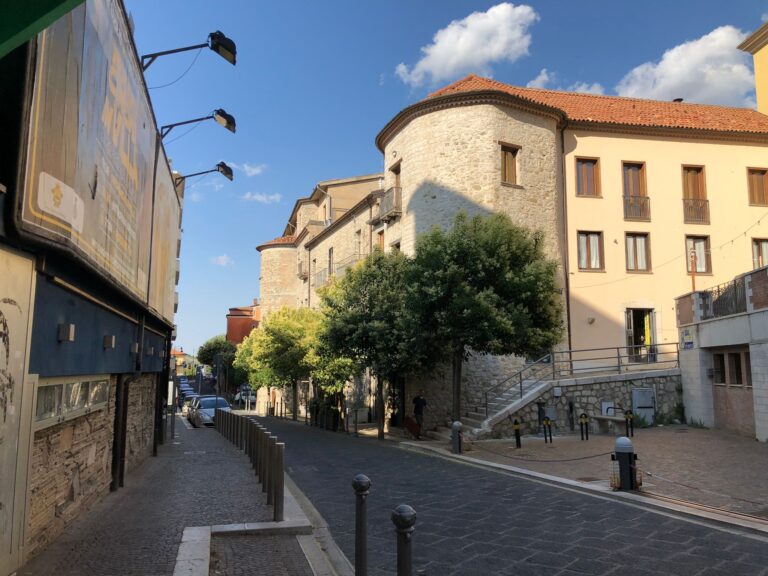 Palazzo BollettinoMonuments and historic buildingsCheck on site.
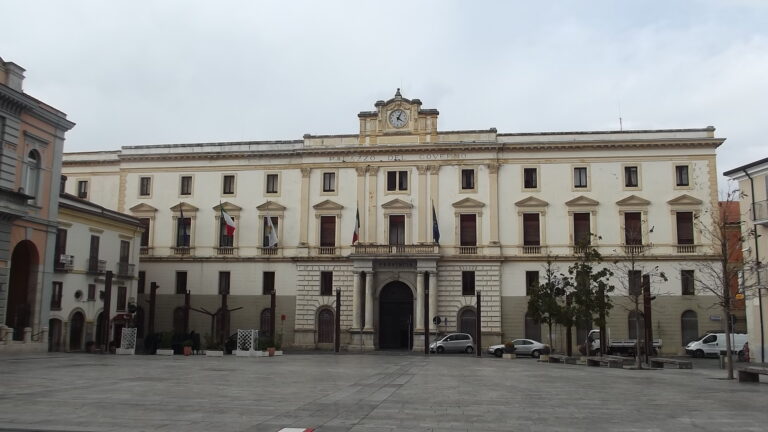 Palazzo della PrefetturaMonuments and historic buildingsCheck on site.
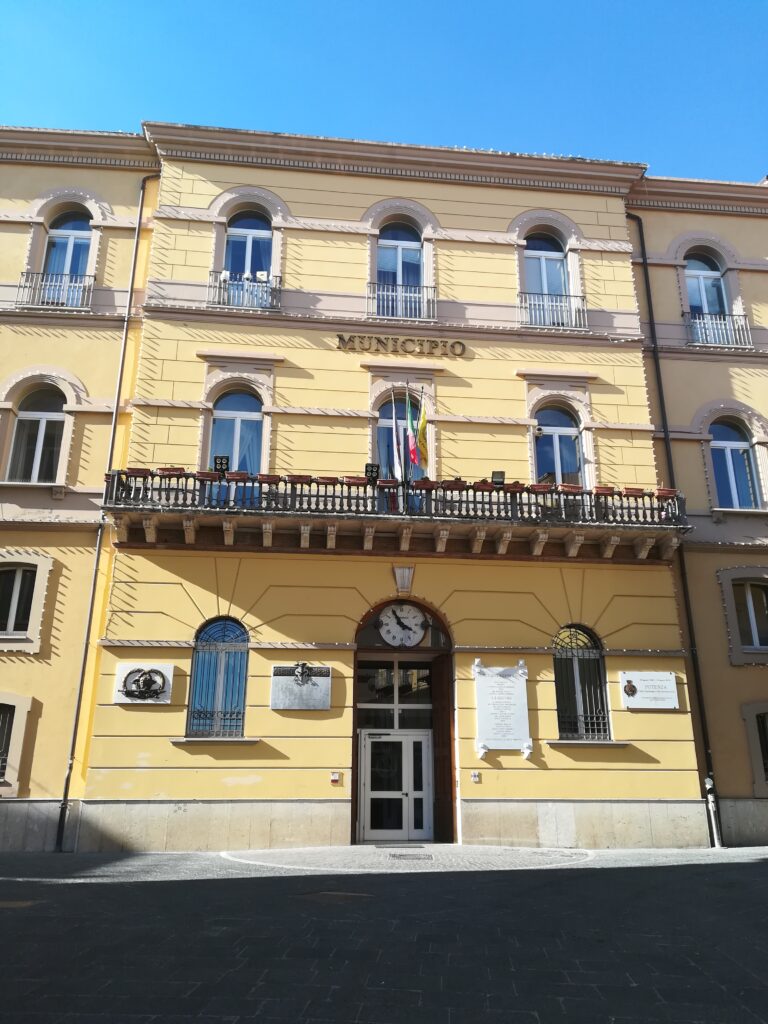 Palazzo di Città (Town Hall)Monuments and historic buildingsCheck on site.
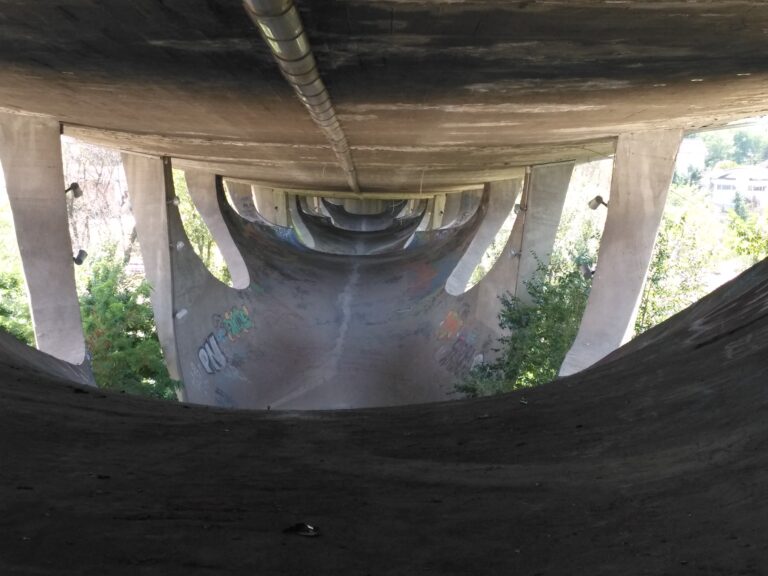 Ponte Musmeci, PotenzaMonuments and historic buildingsFree.
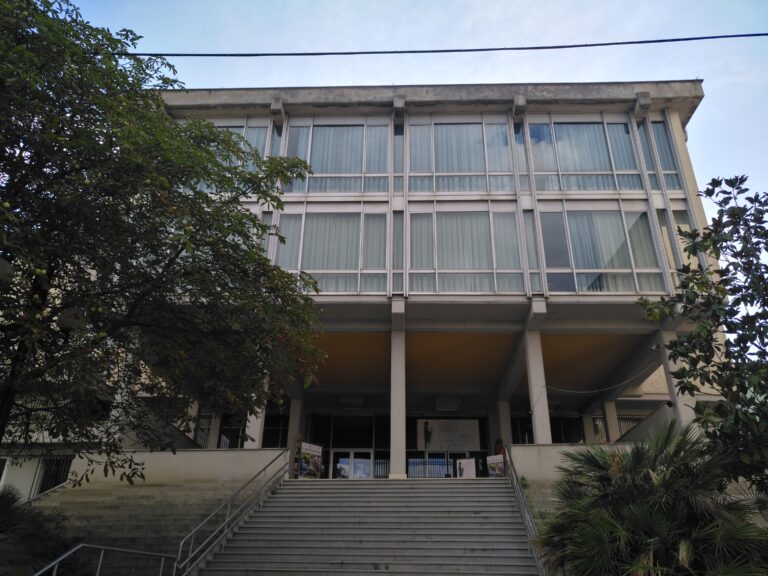 Provincial Archaeological Museum of PotenzaMuseumsUsually free; temporary exhibitions may differ.
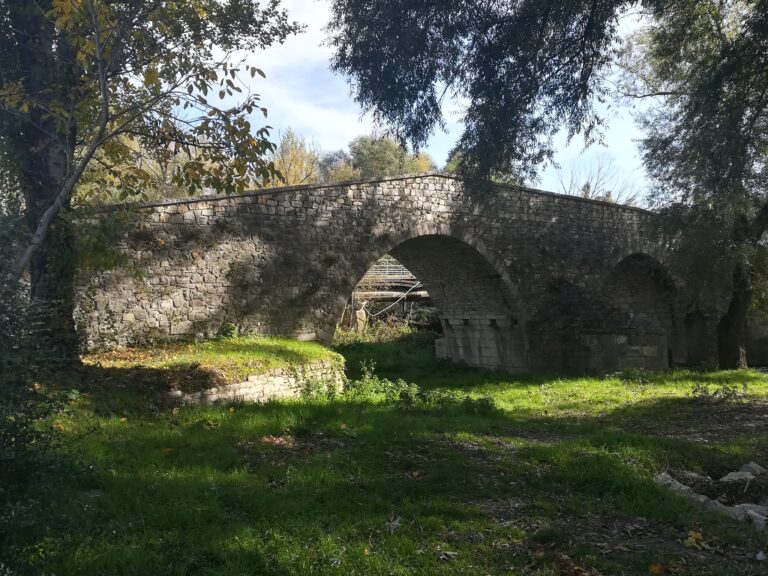 Roman Bridge of San VitoMonuments and historic buildingsFree.
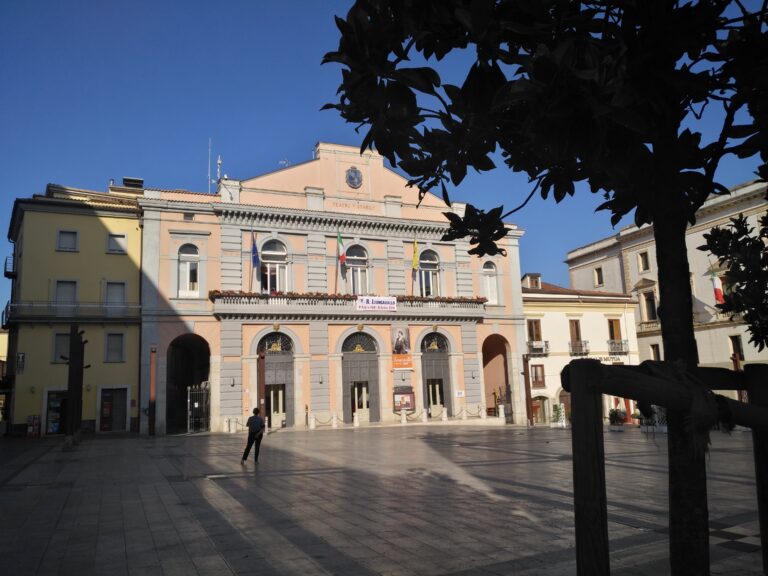 Teatro Francesco Stabile, PotenzaMonuments and historic buildingsTickets according to the programme; guided visits are often free.
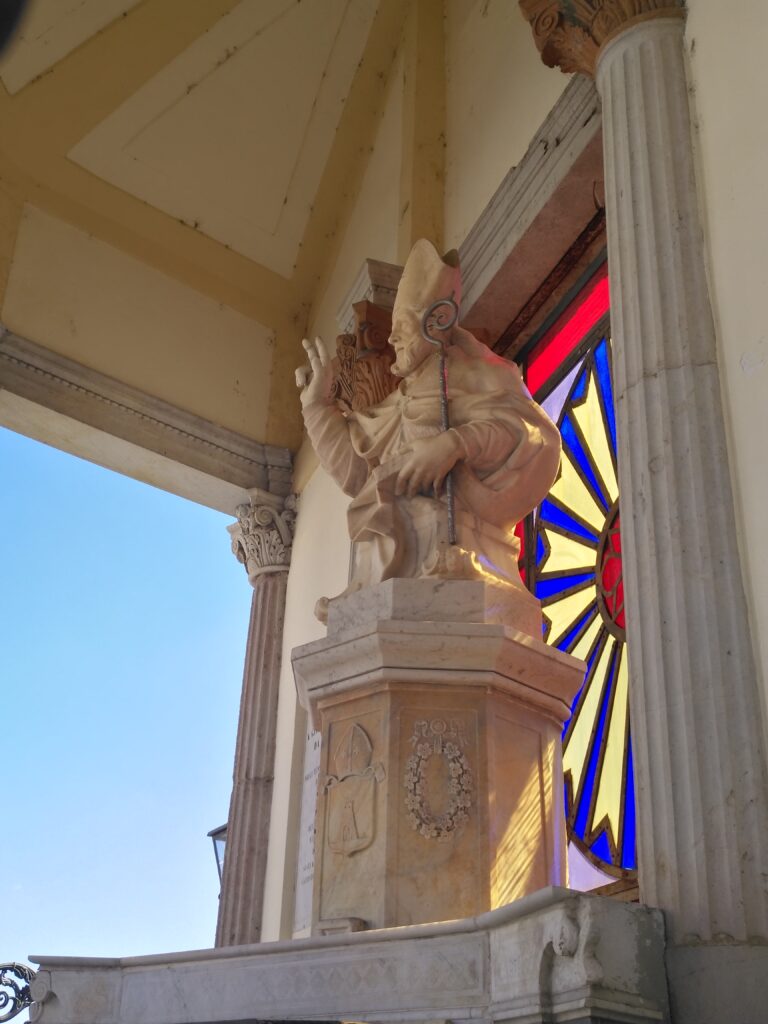 Tempietto di San Gerardo («San Gerardo di marmo»)Monuments and historic buildingsFree entry.
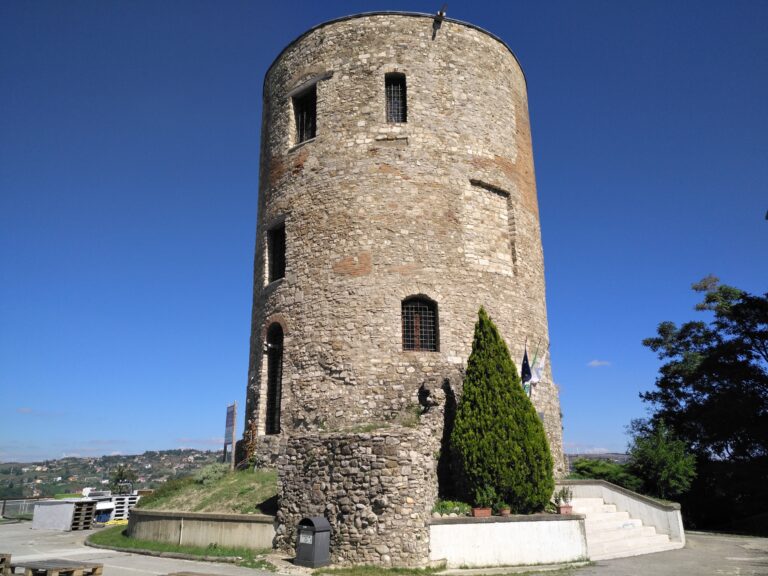 Torre Guevara, PotenzaCastles and fortressesFree.
- Via Pretoria and Potenza’s Historic CentreVillages and old townsFree.
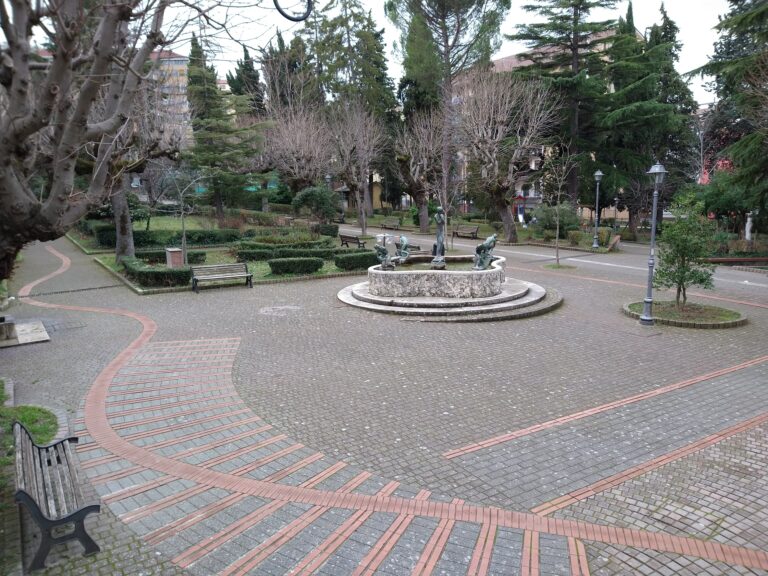 Villa Comunale di Santa MariaParks and nature reservesFree entry.
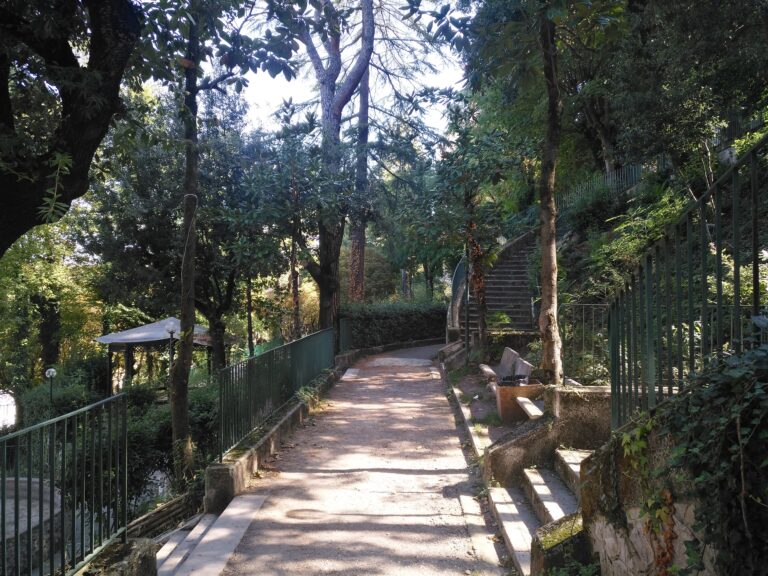 Villa del PrefettoParks and nature reservesFree entry.
Local products in Potenza

More towns to discover
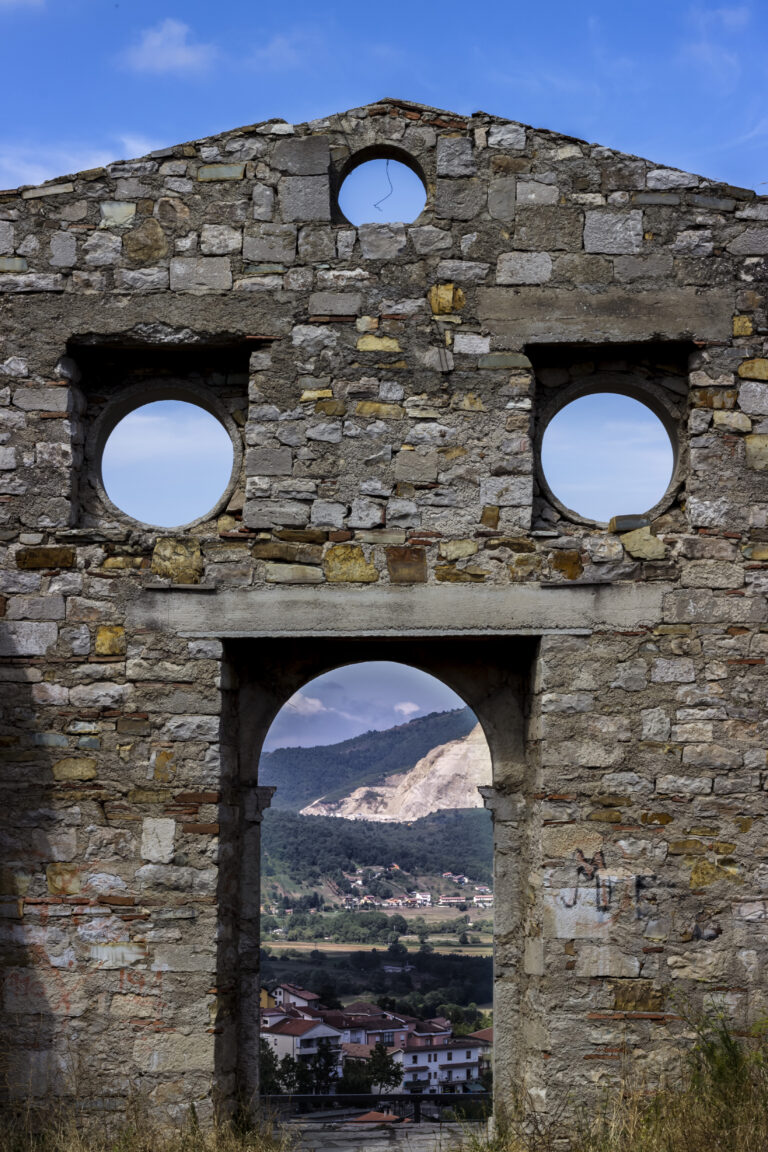 PignolaProvince of Potenza6 places to see
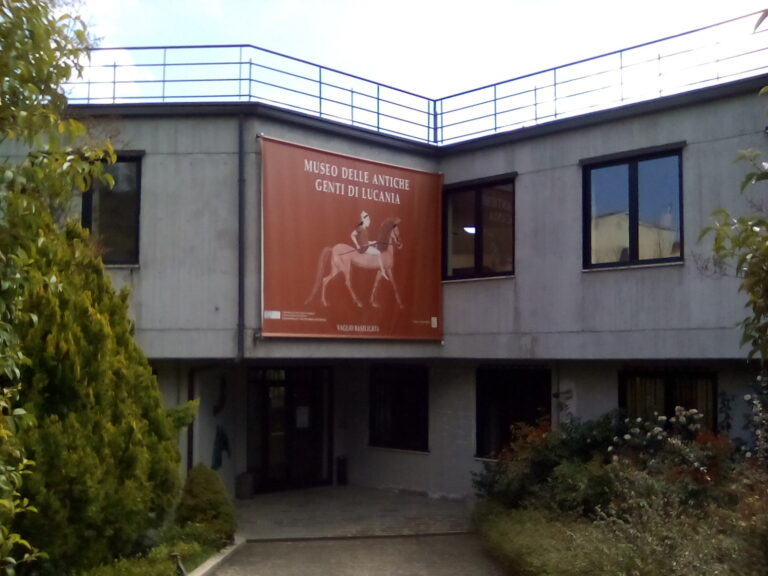 Vaglio BasilicataProvince of Potenza3 places to see
 Brindisi MontagnaProvince of Potenza7 places to see
 AbriolaProvince of Potenza2 places to see
 TitoProvince of Potenza4 places to see
 RuotiProvince of Potenza4 places to see
 AviglianoProvince of Potenza7 places to see
 PietragallaProvince of Potenza2 places to see
 PicernoProvince of Potenza2 places to see
 CancellaraProvince of Potenza4 places to see