Province of Potenza
Vaglio Basilicata
The Peuketiantes town at Serra di Vaglio
Foto: T.o.n.y.20, CC BY-SA 4.0, via Wikimedia Commons
Discover Vaglio Basilicata
Vaglio Basilicata is a village of about 1,750 people, at 954 metres, north-east of Potenza. Its territory is one of the most important in Basilicata for archaeology: here stood the fortified town of Serra di Vaglio and the sanctuary of the goddess Mefitis at Rossano, the federal sanctuary of the Lucanians.
History
The name may come from the Latin Vallum or the medieval Balium, «fortress». The present village was probably founded in the 12th century, with groups from northern Italy who followed the Norman and Angevin lords. It belonged to the Orsini, to Philibert of Chalon, Prince of Orange, to the Massa and from 1647 to the barons of Laurenzana. In 1799 it joined the Parthenopean Republic and on 15 November 1861 it was attacked by Crocco’s and Borjes’ bands. It was called Vaglio di Basilicata and Vaglio Lucano before taking its present name in 1955.
What to see
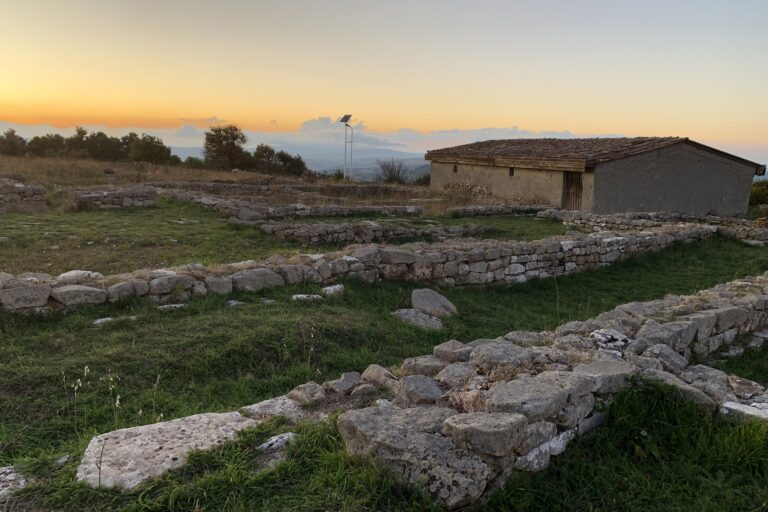
• Serra di Vaglio archaeological park: a settlement from the 8th century BC, with walls and houses from the Lucanian phase between the 5th and 3rd centuries BC.
• Braida necropolis, with princely tombs from the 6th-5th century BC.
• Sanctuary of Mefitis at Rossano, founded in the 4th century BC around a spring, in the green of the Rossano wood.
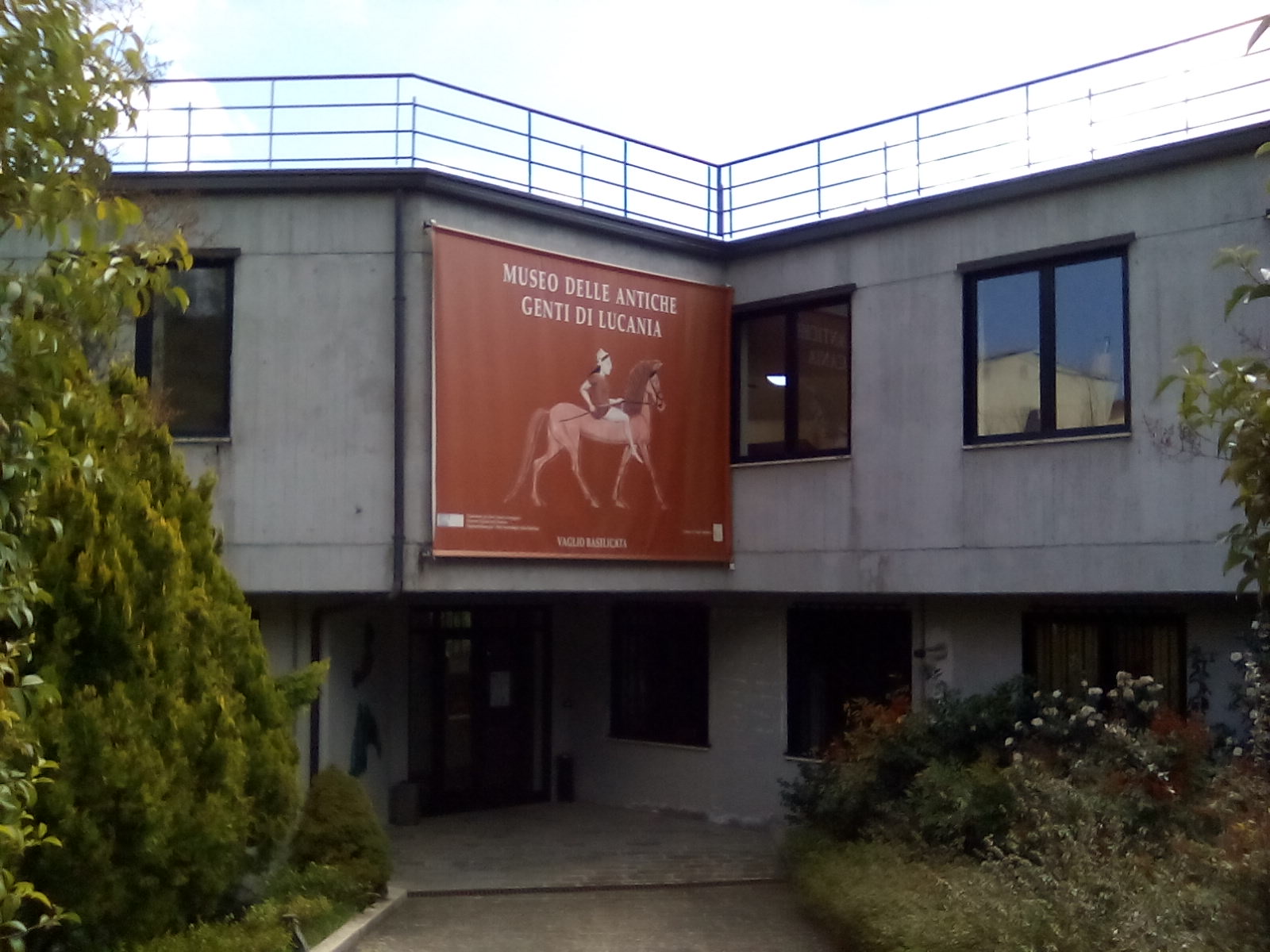
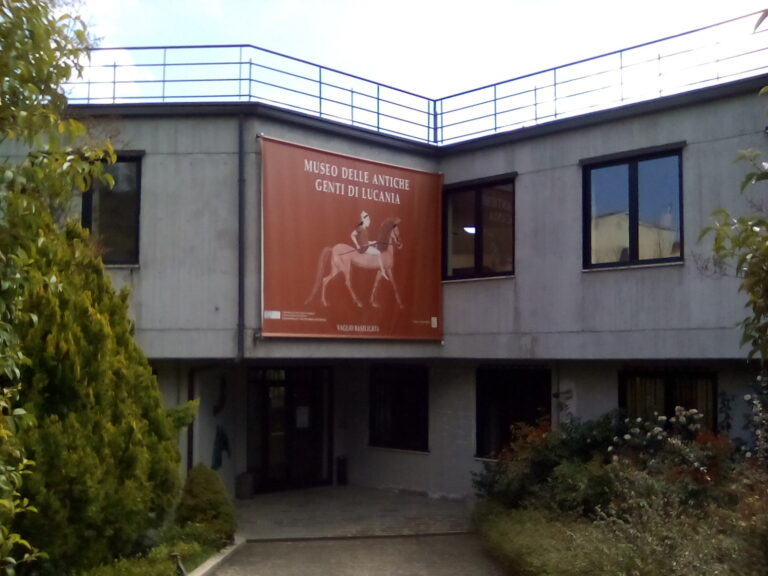
• Museum of the ancient peoples of Lucania, in the pine wood, and the Museum of rural life.
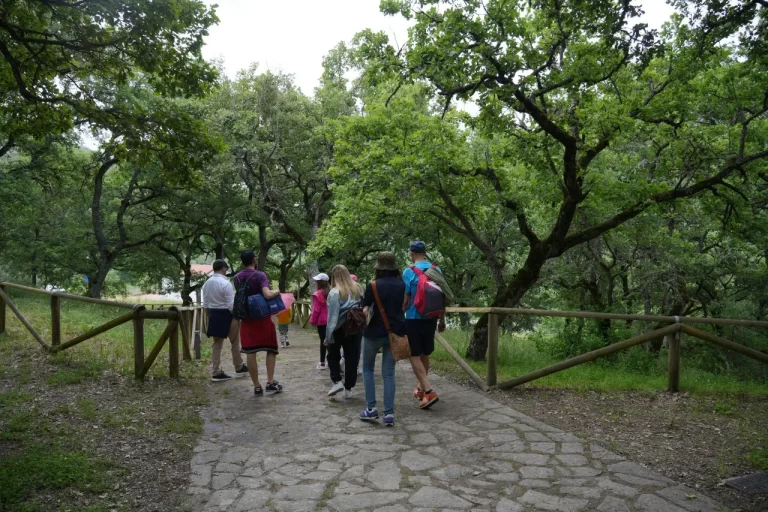
• Nature: the Vaglio pine wood, the Rossano forest and Serra San Bernardo.
Festivals
The patron saint, Saint Faustinus, is celebrated on 20 May.
Vaglio Basilicata is part of the Potenza e dintorni tourist area.
On the map
- Things to see
Things to see in Vaglio Basilicata
More towns to discover
 CancellaraProvince of Potenza4 places to see
 Brindisi MontagnaProvince of Potenza7 places to see
 PietragallaProvince of Potenza2 places to see
 TolveProvince of Potenza4 places to see
 PotenzaProvince of Potenza28 places to see · 1 producer
 Oppido LucanoProvince of Potenza3 places to see
- TrivignoProvince of Potenza5 places to see
 AcerenzaProvince of Potenza6 places to see
- San Chirico NuovoProvince of Potenza1 place to see
 Albano di LucaniaProvince of Potenza5 places to see