Discover Parco del Pollino
Pollino National Park is the largest in Italy, and on the Basilicata side it includes 24 municipalities. It is a land of mountains over two thousand metres, beech forests, gorges, rivers and high plateaus. Its symbol is the Bosnian pine, the “pino loricato”, an ancient tree that grows on the highest ridges. The park is also a UNESCO Global Geopark and is home to Arbëreshë communities, mountain sanctuaries and stone villages overlooking the Mercure, Sinni, Sarmento and Serrapotamo valleys.
Gateways to the high mountains
• Rotonda: the southernmost town in Basilicata is the seat of the Park Authority. It is the gateway to the Vacquarro and Ruggio plateaus and the home of the red aubergine and the white bean.
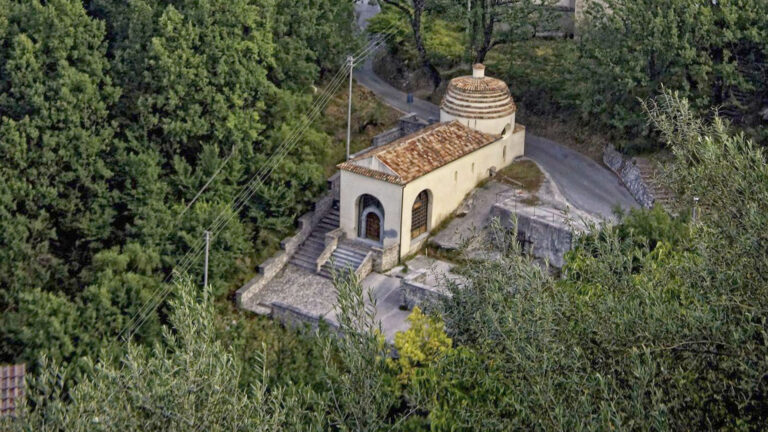
• Viggianello: the old village climbs towards the castle in a cascade of stone houses. From here you can reach the highest peaks of the massif.
• San Severino Lucano: the entrance to the heart of the Pollino on its north-eastern side, with the sanctuary of the Madonna del Pollino, the Bosco Magnano and the Frido valley.
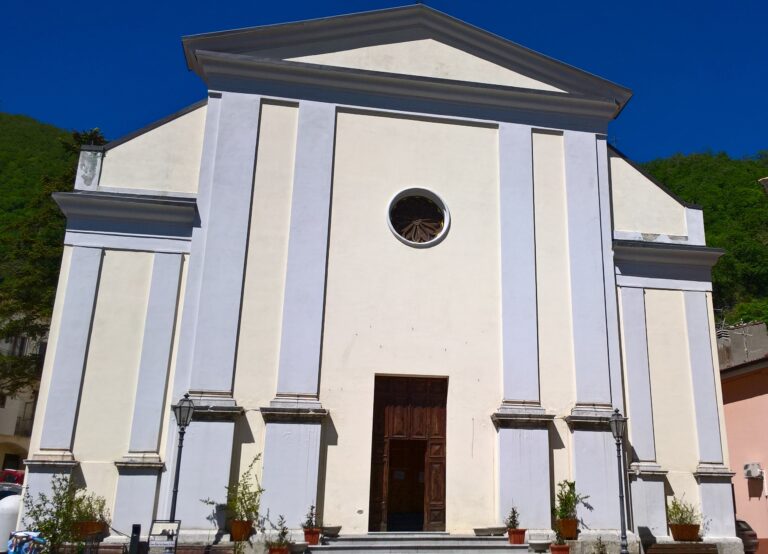
• Terranova di Pollino: the starting point for the wildest places in the park, such as Lake Duglia, the Garavina gorge and the trails to the Garden of the Gods. It is the home of the red potato.
• Castelluccio Superiore and Castelluccio Inferiore: they were a single municipality until 1813. The first is perched on a spur rising to Monte Zaccana, the second spreads across the Mercure-Lao valley.
Between Monte Alpi and the Sirino
• Latronico: at the foot of Monte Alpi, it has spa baths, the prehistoric caves of Calda and the contemporary artwork Earth Cinema.
• Castelsaraceno: between Monte Alpi and the Raparo, it is famous for the Bridge between the two parks, one of the longest Tibetan bridges in the world, and for the ‘Ndenna tree festival.
• Lauria: one of the largest towns in the province, divided between the Upper and Lower quarters, on the border with Calabria. It is the birthplace of Admiral Roger of Lauria and has the Armo sanctuary.
• Episcopia: its Byzantine name recalls its origins as a fortress. It has a castle and the monastery of Santa Maria del Piano.
• Fardella: one of the youngest villages in the area, founded at the end of the 17th century, with noble palaces and the chapel of Sant’Onofrio.
• Calvera: one of the smallest villages in the region, near the Magrizzi-Cielagresti forest and the Vallone waterfalls.
• Carbone: its history is tied to the abbey of Saints Elias and Anastasius, one of the great monasteries of the medieval South, whose ruins remain.
• Teana: between Monte Caramola and the Volturino, with the ruins of its Lombard castle and the open-air museum of the sculptor Marino di Teana.
The Sinni and Sarmento valleys
• Senise: the town of the Senise IGP pepper, the one that becomes “crusco”, overlooking the Monte Cotugno lake.
• Chiaromonte: on a spur above the Sinni and Serrapotamo valleys, with the Sanseverino Palace and Di Giura Castle.
• Francavilla in Sinni: between the Sinni and Frido rivers, with the remains of the Charterhouse of San Nicola and the Bosco Rubbio.
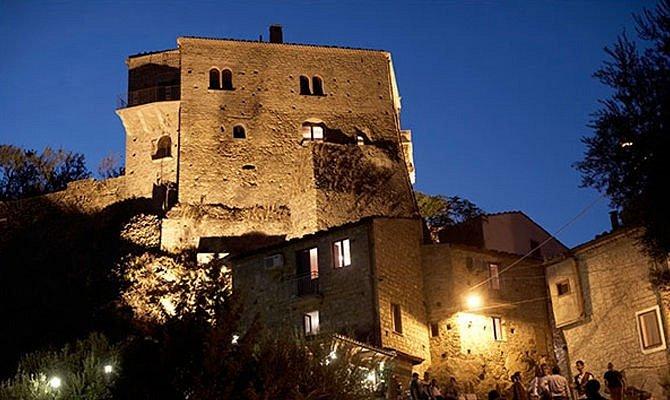
• Valsinni: the village of the poet Isabella Morra, with the castle where she lived and the literary park dedicated to her.
• Castronuovo di Sant’Andrea: the birthplace of Saint Andrew Avellino, with his house and sanctuary.
• San Giorgio Lucano: on a hill above the Sarmento valley, with the sanctuary of the Madonna del Pantano.
• Noepoli: called Noja until 1863. From its viewpoint you look over the Sarmento valley; around it is the Bosco Farneta.
• Cersosimo: a small village on the eastern slopes of the massif, on the border with the provinces of Matera and Cosenza.
• San Paolo Albanese: the smallest municipality in Basilicata is a little capital of Arbëreshë culture, with the Museum of Arbëreshë Culture.
• San Costantino Albanese: an Arbëreshë community in the Sarmento valley, with its Byzantine-rite church and iconostasis.
Things to do
• Climb among the Bosnian pines on the Pollino ridges with a park guide.
• Walk in the Bosco Magnano, to Lake Duglia or on the Ruggio plateaus.
• Cross the Bridge between the two parks in Castelsaraceno.
• Discover the Arbëreshë traditions of San Paolo and San Costantino Albanese.
• Taste Senise crusco peppers, Rotonda red aubergines and mountain dishes.
When to go
May to October for high-altitude trails, with the beech woods turning colour in autumn. In summer the villages celebrate with tree rituals and patron saint feasts. In winter the peaks are covered in snow and you need equipment and experience.
Our guides for this area
• Pollino National Park: a guide to the Basilicata side: trails, GPX tracks and tips for the Basilicata side.
• Basilicata coast to coast: from Maratea to the Ionian Sea: the journey crosses Latronico, Episcopia, Chiaromonte, Senise and Valsinni.
• The most beautiful villages of Basilicata: including Viggianello, Rotonda, San Paolo Albanese, San Costantino Albanese and Valsinni.
• The castles of Basilicata: Isabella Morra’s castle in Valsinni.
• Basilicata by bike: MTB, road and cycle routes: routes around San Severino Lucano, Latronico, Castelsaraceno and Lauria.
• Lucanian flavours: a guide to Basilicata food, area by area: Senise peppers and Pollino cooking.
• Carnival in Basilicata: the 9 historic masks: the Teana carnival.
Our guides for Parco del Pollino
- Pollino National Park: a guide to the Basilicata sidePollino in Basilicata: the Park's 24 towns, the peaks, the Bosnian pine, what to see and the best trails, from…24 villages in this area
- Basilicata coast to coast: from Maratea to the Ionian SeaBasilicata coast to coast: the Tyrrhenian-to-Ionian road trip inspired by Rocco Papaleo's film, from Maratea t…9 villages in this area
- The most beautiful villages of BasilicataThe villages of Basilicata not to miss, area by area: Lucanian Dolomites, badlands, Vulture, Pollino and Val d…5 villages in this area
- Basilicata by bike: MTB, road and cycle routesCycling routes in Basilicata: Coast 2 Coast by MTB, Sentiero Italia by bike, Appennino Bike Tour and Ciclovia…4 villages in this area
- Lucanian flavours: a guide to Basilicata food, area by areaBasilicata's flavours: PDO and PGI products, crunchy peppers, cheeses, wines, traditional dishes and where to…4 villages in this area
- Food festivals in Basilicata: calendar and upcoming sagreFood festivals in Basilicata town by town: chestnuts, porcini, truffles and peperone crusco. Dates, programmes…2 villages in this area
- The lakes of Basilicata: a guide to the most beautifulThe most beautiful lakes in Basilicata: Monticchio, Laudemio, Sirino, Pantano di Pignola, San Giuliano, Pertus…2 villages in this area
- Appennino Lucano National Park: a guide to the Val d’Agri and LagonegreseAppennino Lucano – Val d'Agri – Lagonegrese National Park: Sirino and Volturino, Lake Pertusillo, Laudemio, Gr…1 village in this area
- Carnival in Basilicata: the 9 historic masksBasilicata's historic carnivals: Aliano's horned masks, Tricarico's cows and bulls, Satriano's Rumita, Lavello…1 village in this area
- The castles of BasilicataCastles to visit in Basilicata: Melfi, Lagopesole, Venosa, Miglionico, Valsinni, Muro Lucano, Brienza and Piet…1 village in this area
Towns in Parco del Pollino
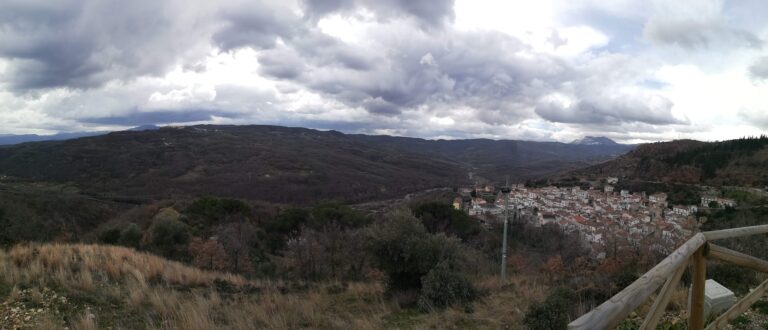 CalveraProvince of Potenza2 places to see
- CarboneProvince of Potenza
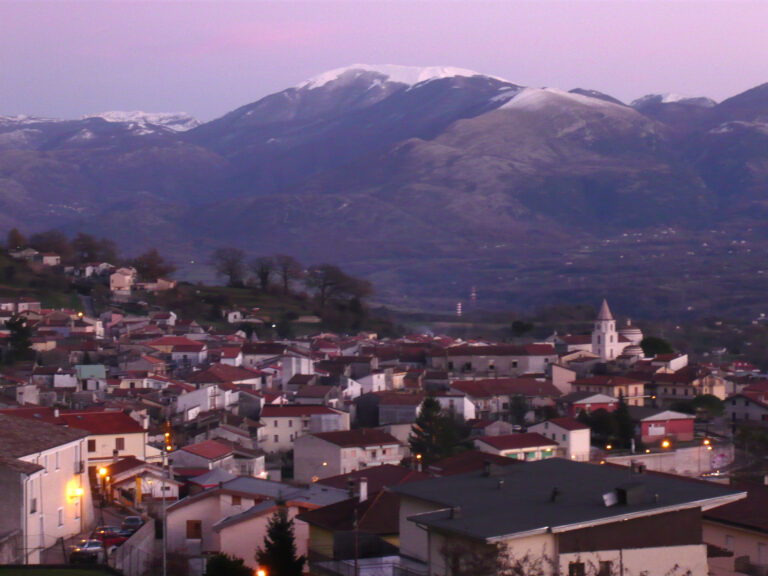 Castelluccio InferioreProvince of Potenza12 places to see
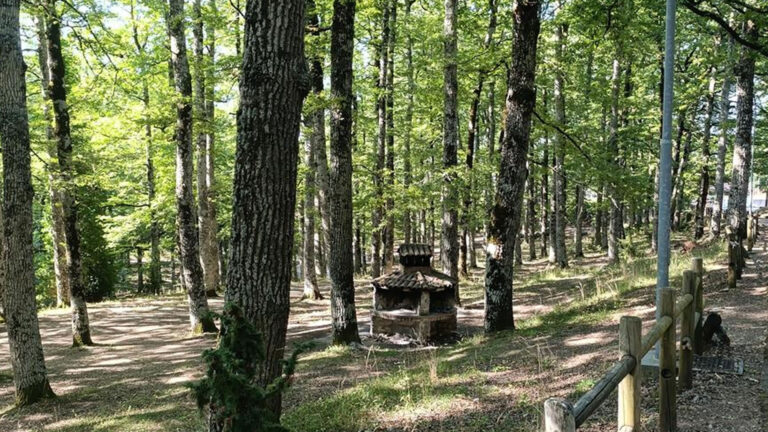 Castelluccio SuperioreProvince of Potenza13 places to see
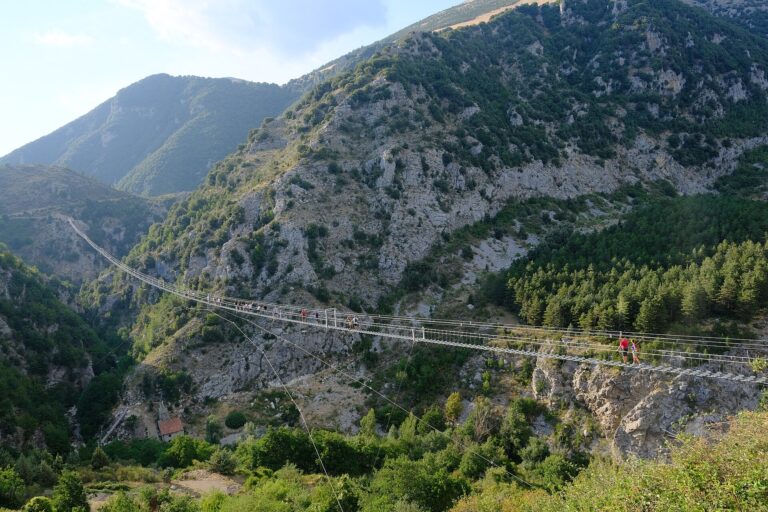 CastelsaracenoProvince of Potenza1 place to see · 1 place to stay
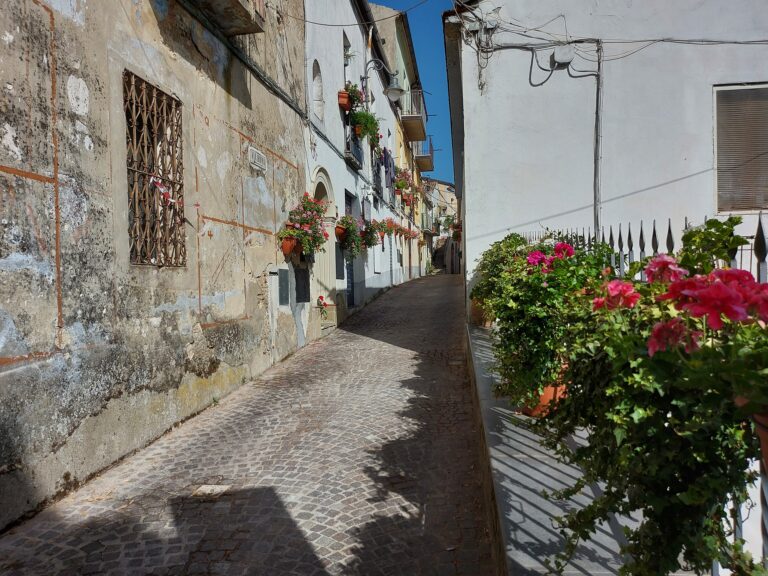 Castronuovo di Sant'AndreaProvince of Potenza1 place to see
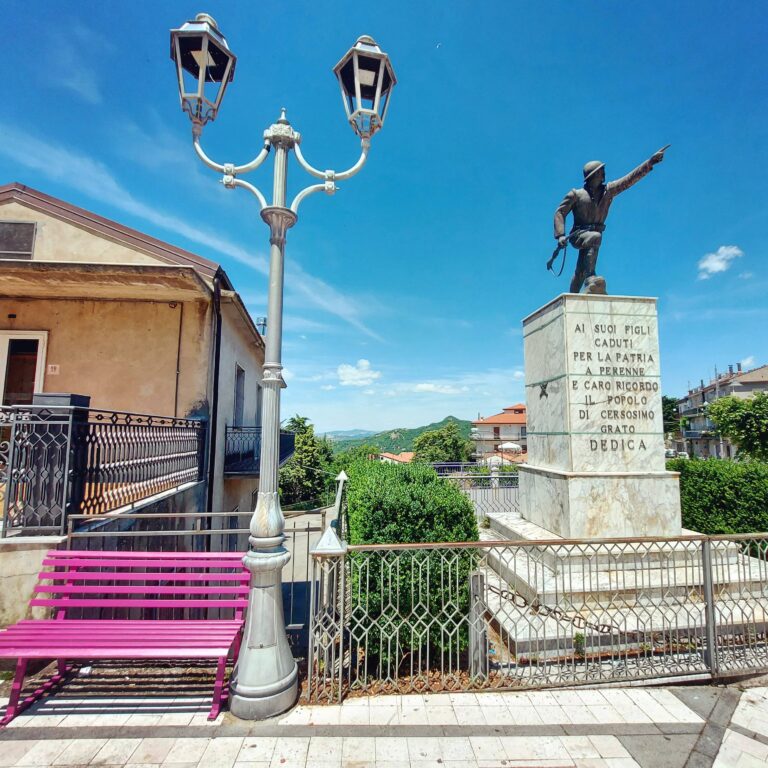 CersosimoProvince of Potenza3 places to see
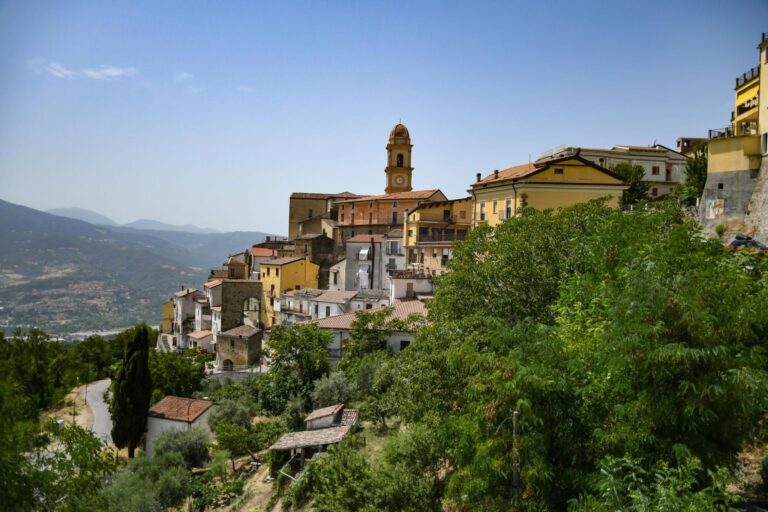 ChiaromonteProvince of Potenza1 place to see
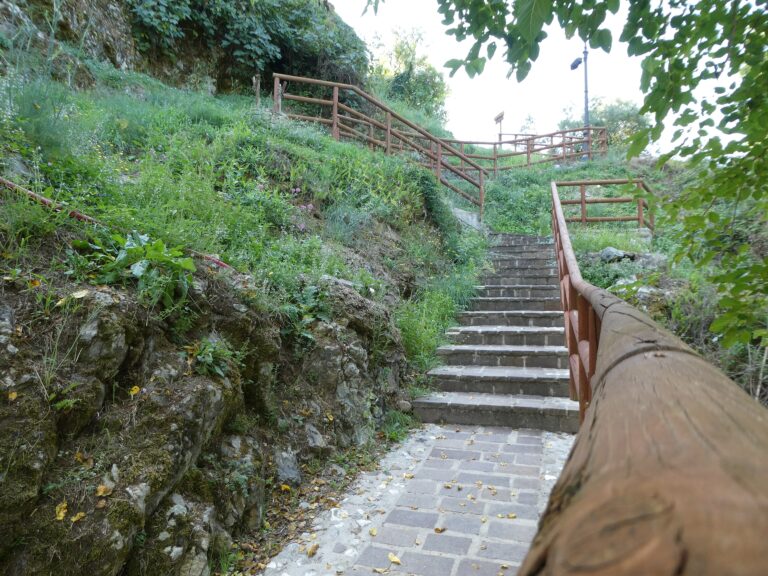 EpiscopiaProvince of Potenza2 places to see
- FardellaProvince of Potenza2 places to see
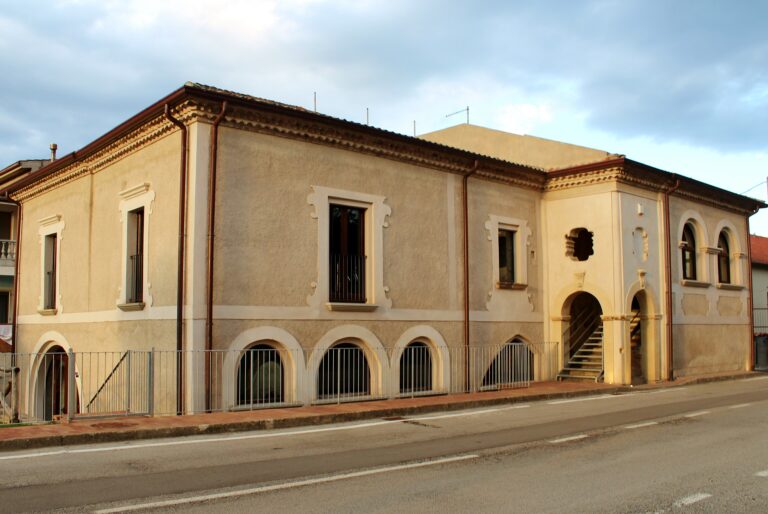 Francavilla in SinniProvince of Potenza2 places to see
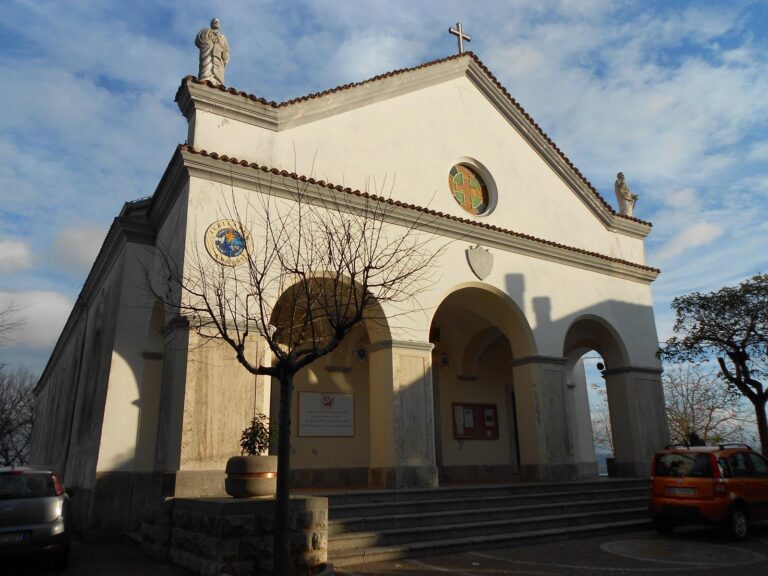 LatronicoProvince of Potenza17 places to see
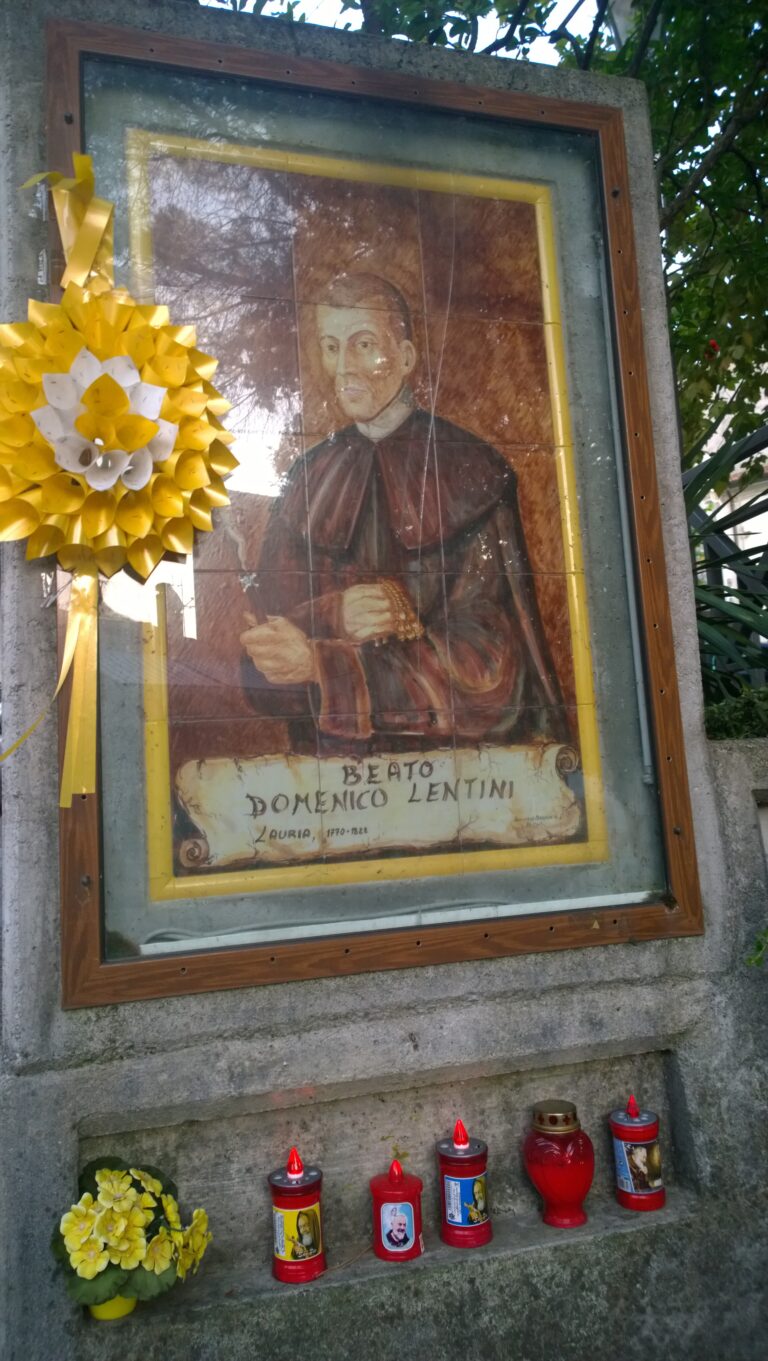 LauriaProvince of Potenza11 places to see
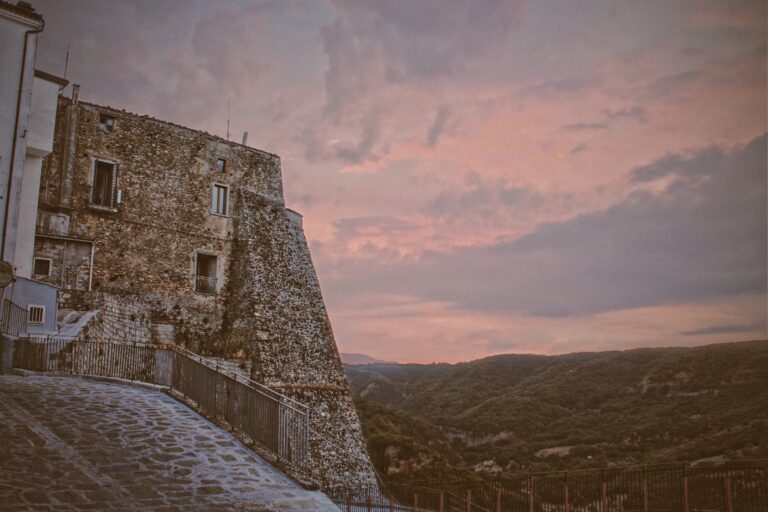 NoepoliProvince of Potenza3 places to see
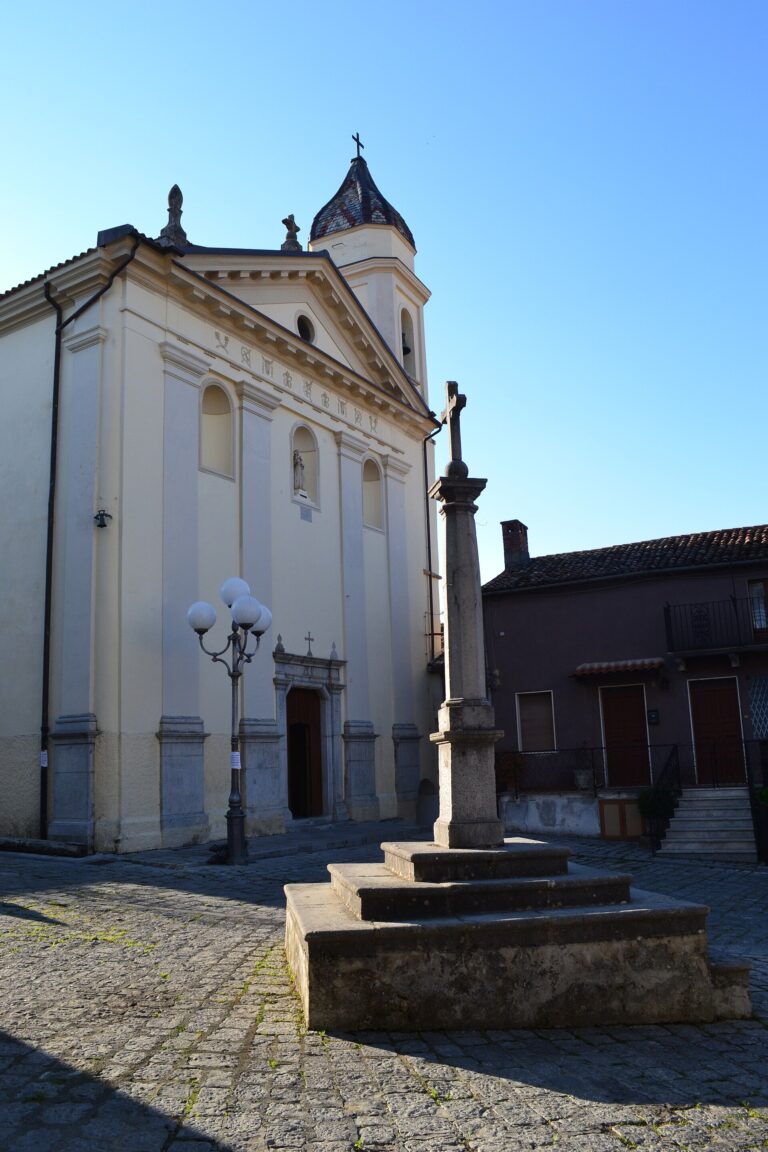 RotondaProvince of Potenza19 places to see
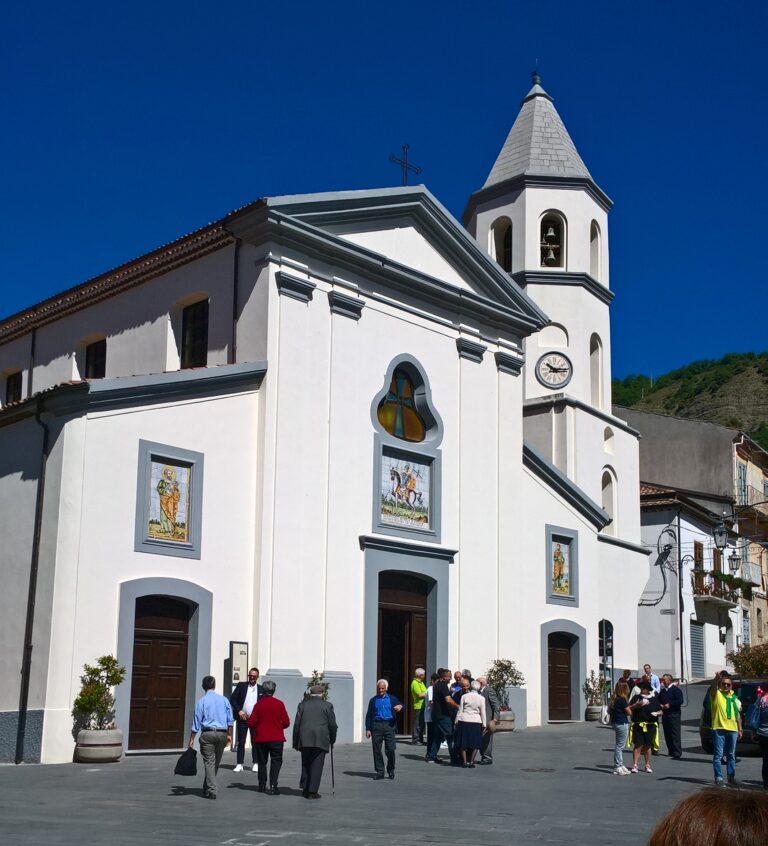 San Costantino AlbaneseProvince of Potenza4 places to see
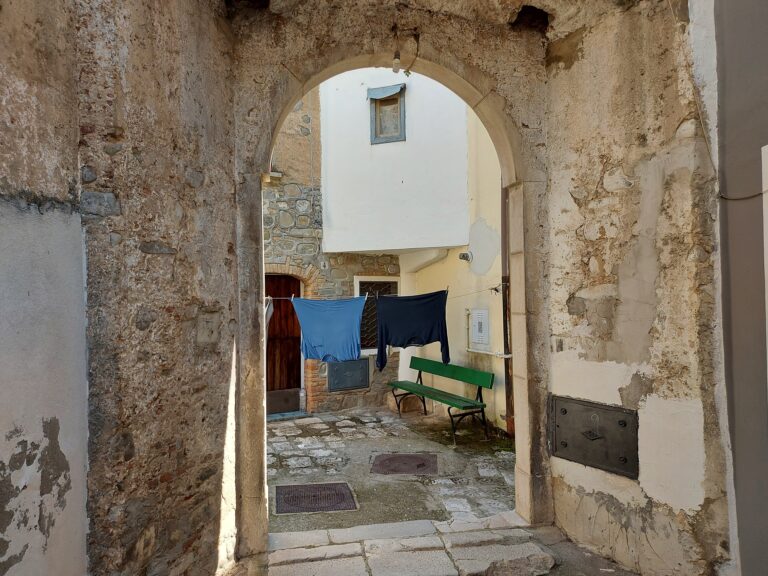 San Giorgio LucanoProvince of Matera6 places to see
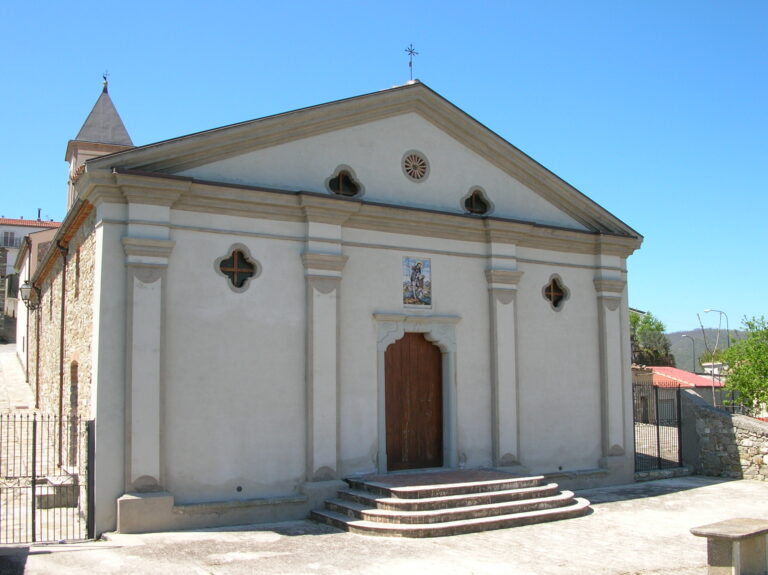 San Paolo AlbaneseProvince of Potenza3 places to see
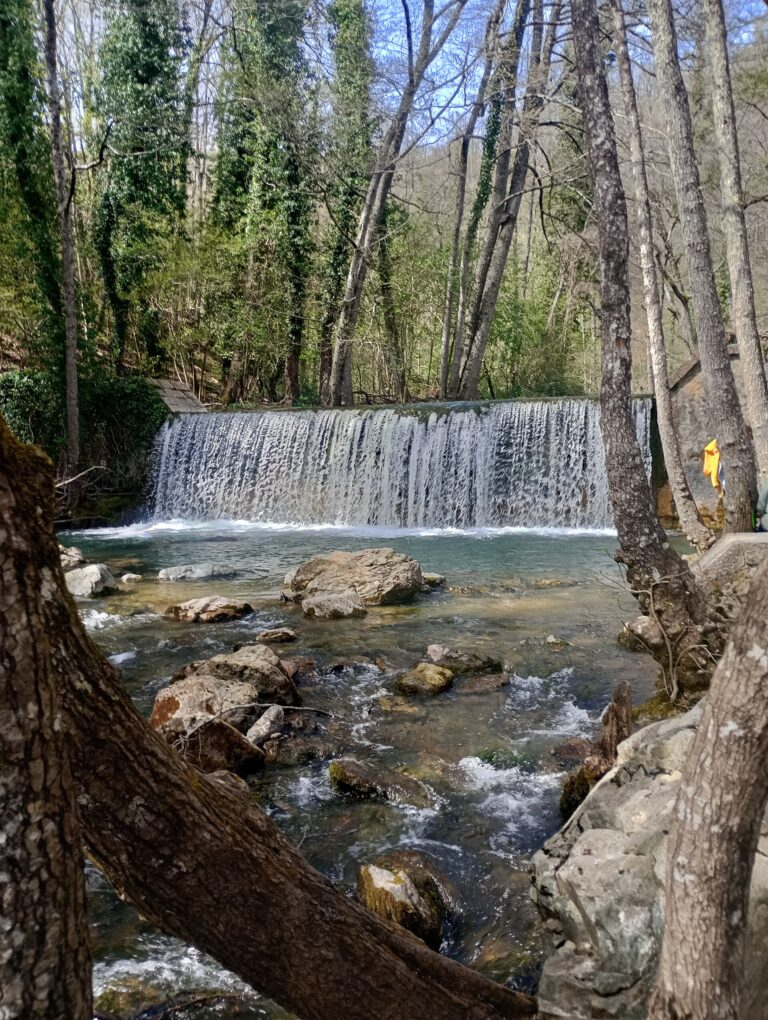 San Severino LucanoProvince of Potenza4 places to see
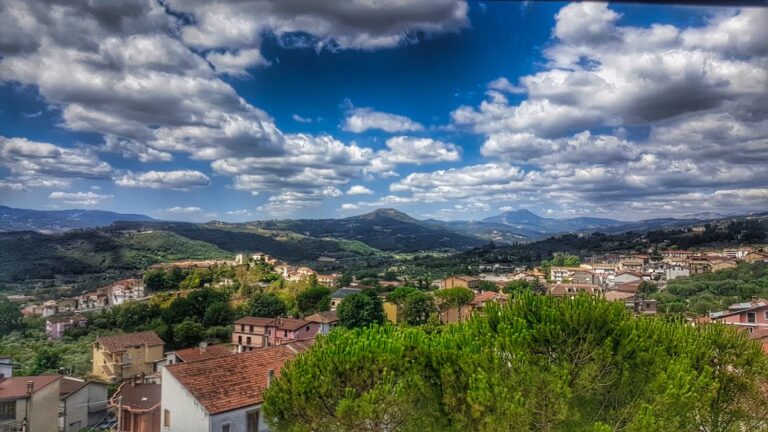 SeniseProvince of Potenza5 places to see
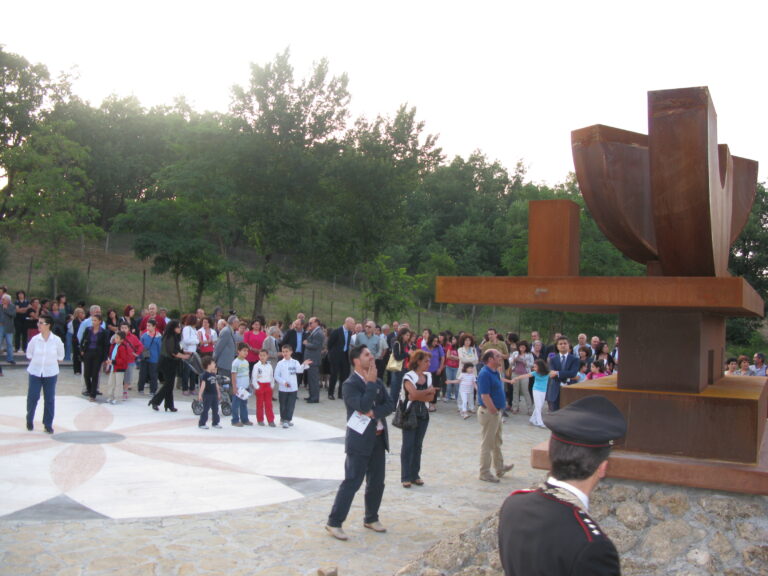 TeanaProvince of Potenza2 places to see
 Terranova di PollinoProvince of Potenza1 place to see
 ValsinniProvince of Matera4 places to see
 ViggianelloProvince of Potenza24 places to see
On the map
- Things to see
- Where to stay
Things to see in Parco del Pollino
- Abbey of Santa Maria del Soccorso (ruins)Viggianello
- Ancient Settlement of Cozzo PastanoCastelluccio Superiore
- Archaeological areas of San Giorgio LucanoSan Giorgio Lucano
- Badlands (Calanchi) of LatronicoLatronico
- Basilica of Sant’Egidio AbateLatronico
- Belvedere del MalventoViggianello
- Birthplace of Blessed Domenico LentiniLauria
- Bosco DifesaCastelluccio Superiore
- Bosco MagnanoSan Severino Lucano
- Calabro-Lucana Railway Station and Spiral TunnelCastelluccio Superiore
- Calvary of ViggianelloViggianello
- Campanella Archaeological AreaCastelluccio Inferiore
- Castello della MottaSenise
- Castle of NoepoliNoepoli
- Chapel of San GaetanoLauria
- Chapel of San SebastianoViggianello