Travel guide · Basilicata
The beaches of Basilicata
The beaches of Basilicata: Maratea on the Tyrrhenian, Metaponto and the Ionian coast, Blue Flags, how to get there and what to do…
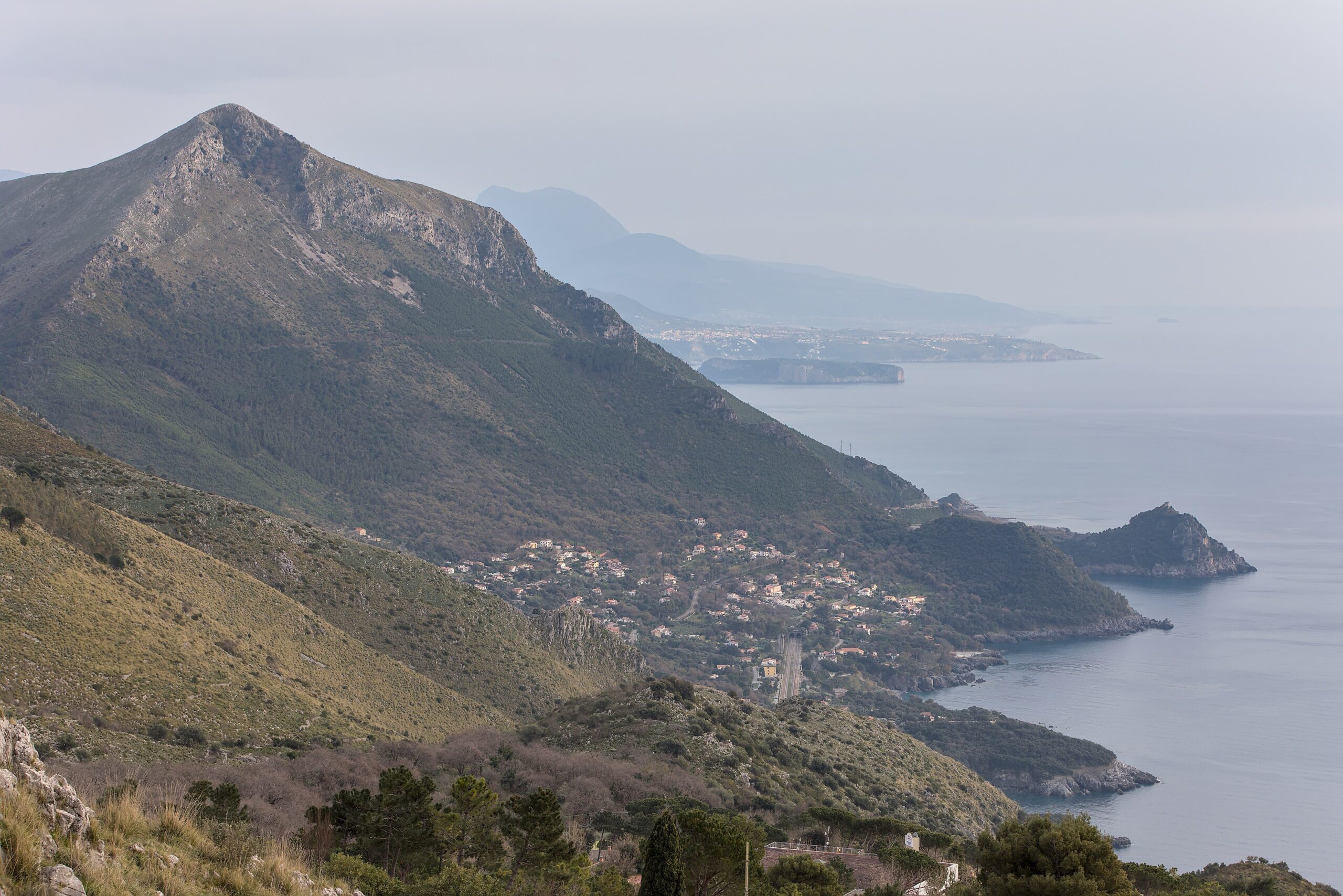
Foto: Benjamin Smith, CC BY-SA 4.0, via Wikimedia Commons
Basilicata is one of the few Italian regions with a coastline on two seas: the Tyrrhenian, with the rocky coves of Maratea, and the Ionian, with the long fine-sand beaches of the Metapontino. Together they add up to about 50 kilometres of coast, and the contrast is the best part: cliffs, caves and deep blue water on one side, golden sands, pine woods and dunes on the other. In 2026 as many as five Basilicata municipalities were awarded the Blue Flag: Maratea, Bernalda (Lido di Metaponto), Pisticci (Marina di Pisticci), Policoro (Lido Nord and Sud) and Nova Siri (Lido).
The Tyrrhenian coast: Maratea
About 32 kilometres of high, jagged coastline, all within Maratea, the only Basilicata municipality on the Tyrrhenian Sea. The beaches are small, often pebbly with dark sand, set among the rocks, with seabeds that drop quickly: ideal for snorkelling and swimming in clear water. Some can be reached by car, others only from the sea.
- Santa Teresa: the most convenient and popular beach of Marina di Maratea, with beach clubs and the Falchetto rock in the middle of the sand.
- Spiaggia Nera (Cala Jannita): a small cove of dark sand below the rocks, among the most spectacular in the area.
- Fiumicello and Santavenere: a wide, well-served beach near the Santavenere tower.
- Acquafredda (Anginarra and Luppa): coves near the village of Acquafredda, north of Maratea.
- Castrocucco: the largest beach on the coast, known in dialect as «d’a Gnola», with the Secca just off the shore.
Two gems deserve a mention even though they are not reached like an ordinary beach. Rena d’u Nastru, at Cersuta, was formed in 1894 from the debris of the railway works and can also be reached on foot; next to it opens the Grotta dei Palombi. I Vrenne, at Filocaio, is a cove of fine dark sand reachable only from the sea, close to the Grotta di Giorgio. For real seclusion, Cala di Mezzanotte is the first beach you meet coming from the north, also accessible only by boat.
The Ionian coast: from the Metapontino to Nova Siri
On the Ionian side there are about 18-20 kilometres of low, sandy coast, with wide free beaches, pine woods behind them and gently sloping seabeds: perfect for families and for long walks along the shore.
- Metaponto Lido (Bernalda): Blue Flag, seafront, pine wood and, a few minutes away, the remains of Magna Graecia.
- Marina di Pisticci (Pisticci): about 7 kilometres of sand, Blue Flag since 2019.
- Scanzano Jonico (Scanzano Jonico): a long free beach, quieter and less crowded.
- Lido di Policoro (Policoro): Blue Flag for Lido Nord and Sud, with the beach of the Bosco Pantano WWF oasis.
- Marina di Rotondella (Rotondella): a long stretch of sand, still little visited.
- Nova Siri Marina (Nova Siri): the last Basilicata beach before Calabria, Blue Flag.
How to get there
- Maratea: by train, get off at Maratea station on the Tyrrhenian line (at Marina), with buses to the villages; by car, take the Lagonegro Nord/Lauria exit of the A2 or the Tyrrhenian SS18.
- Ionian coast: the main road is the SS106 Jonica, linked to Potenza and Matera by the Basentana (SS407). Metaponto has a railway station; for Policoro and Nova Siri a car is best.
- Distances: Matera is about 60 km from Metaponto; from Potenza allow about 2 hours to either coast.
Things to do
- Snorkelling and diving in the transparent waters of Maratea, among caves and cliffs.
- Boat trips from Maratea to see the caves and coves reachable only from the sea.
- Archaeology: the Tavole Palatine and the National Archaeological Museum of Metaponto can be visited in a day from the beach.
- Nature and birdwatching in the Bosco Pantano WWF Oasis at Policoro.
- The Christ the Redeemer: from Maratea you can climb to the statue of Christ the Redeemer for a view over the whole gulf.
- Sea turtles: on the Ionian beaches you may come across Caretta caretta nests; if you do, keep your distance and tell the staff.
Practical tips
- The best season runs from June to September; in July and August the Maratea beaches fill up and parking is paid.
- Many Tyrrhenian coves are rocky: bring water shoes.
- Along the Ionian coast the free beaches offer little shade: bring a parasol and water.
- Respect dunes, pine woods and nests: take your litter away and stay out of protected areas.